Industrial roots, ongoing projects
Rochester sits on Lake Ontario at the mouth of the Genesee River, with a long history in imaging, optics and advanced manufacturing. Today, plant upgrades, university and hospital construction, downtown redevelopment and road and bridge work keep cranes and rigging crews busy.
Rochester NY crane classes from The Crane School happen at the employer's facility or at our training center in Seffner, Florida. We have no Rochester office. Our instructors prepare candidates for NCCCO exams; NCCCO issues the certification.
Manufacturers with several shifts often prefer on-site delivery because it keeps people close to production. Classroom sessions can be scheduled around shift changes when needed.
Plant work and rigging skill
Much of Rochester's lifting happens inside or around industrial plants: moving machinery, swapping equipment, setting rooftop units and handling heavy components. Those jobs depend on rigging as much as crane operation.
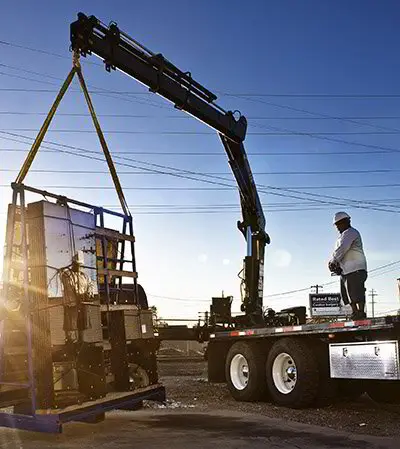
Our rigger qualification and certification program supports your company's internal qualification process and prepares candidates for NCCCO Rigger Level I and II exams. Maintenance teams that use knuckle-boom trucks or carry-deck cranes can add the articulating crane program, and telehandler operators can prepare for NCCCO THO.
If your facility uses overhead cranes, ask about how our training and crane inspection services can support your safety program.
Rochester crane classes for construction crews
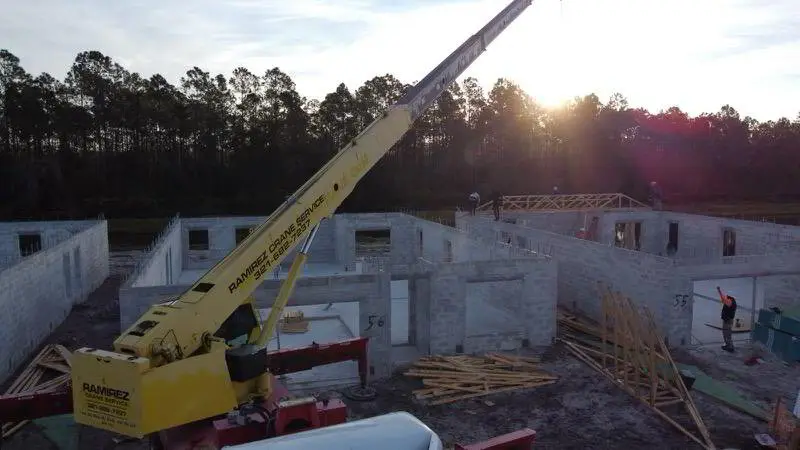
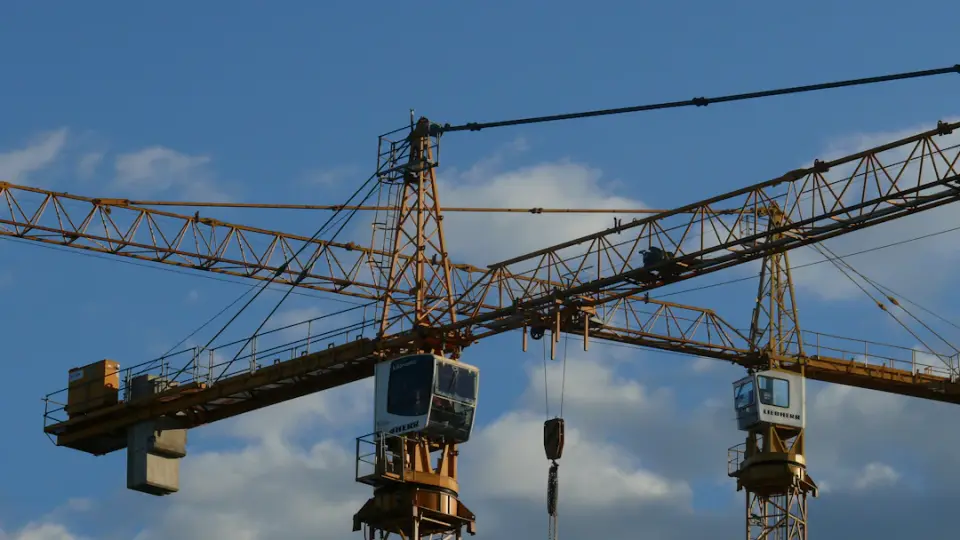
Contractors working on campus, healthcare and commercial projects often run telescopic hydraulic cranes, with lattice boom units on larger structural work. The mobile crane certification prep program covers TSS, TLL and LAT for experienced operators.
People new to cranes should start with the initial 3-week or 5-week course in Seffner. Recertifying operators can take classroom-only prep before written exams, plus any required practical. Certifications last five years, and starting prep during the final year avoids a lapse.
Contractors who staff campus and hospital jobs often face tight schedules and occupied buildings next door. Clear communication between operator and signalperson becomes critical, and our programs treat it as a core skill.
Winters off Lake Ontario
Rochester sees lake-effect snow, cold wind off Lake Ontario and a spring thaw that can soften job sites. Snow and ice on equipment, cold-weather startup and ground bearing are practical topics in our classes, not just exam questions.
Plant-based training is less weather-dependent, which makes winter a good time for indoor rigging and classroom work, with outdoor practicals scheduled when conditions allow.
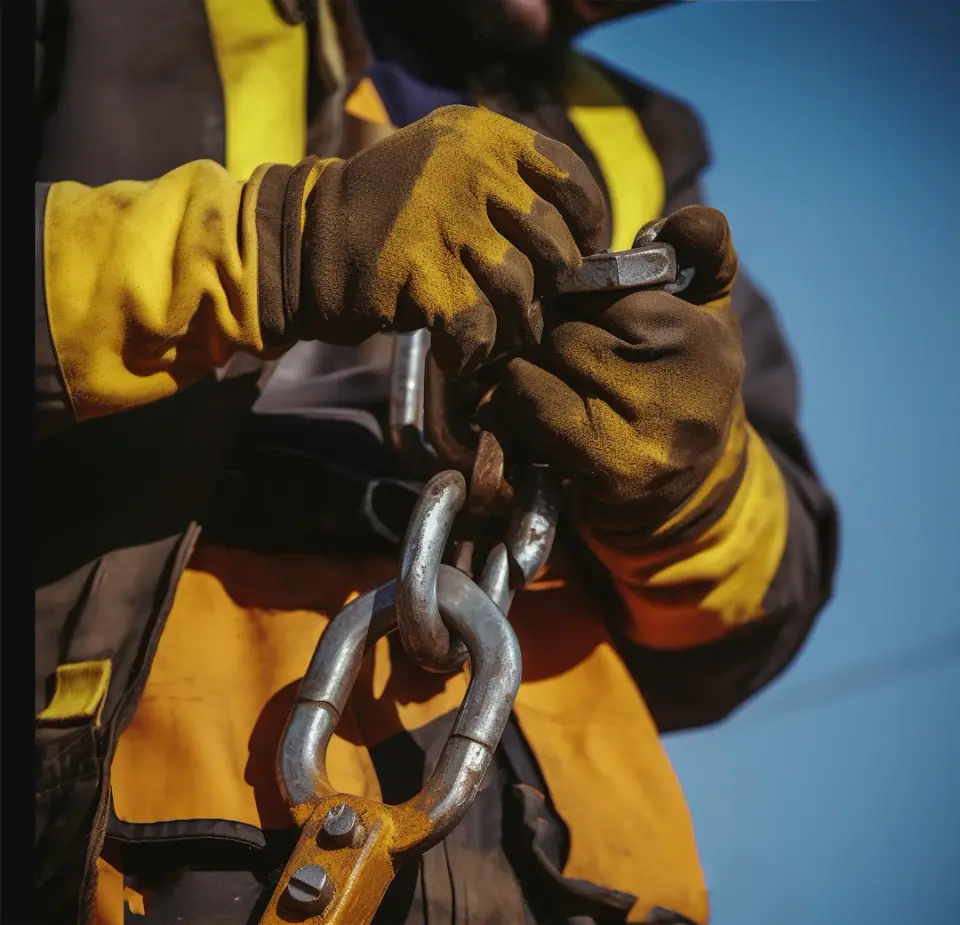
Cold also affects people. Gloves reduce dexterity on controls and rigging hardware, and long hours in the cold wear down attention. Our instructors talk through these factors openly so candidates can recognize them on the job.
Rules, scheduling and next steps
New York regulates crane operators at the state level, on top of federal OSHA rules, so Rochester employers should not treat an NCCCO card as the whole answer. Check what the state currently requires through the responsible agency, and use NCCCO's state licensing information as a reference, before putting an operator to work.
For a group, we schedule on-site training and practical exams with our NCCCO accredited examiners. Individuals can choose a monthly prep class in Seffner, where written exams are held every month. See our New York crane certification page for more, or contact us to plan dates.