Western New York's construction calendar
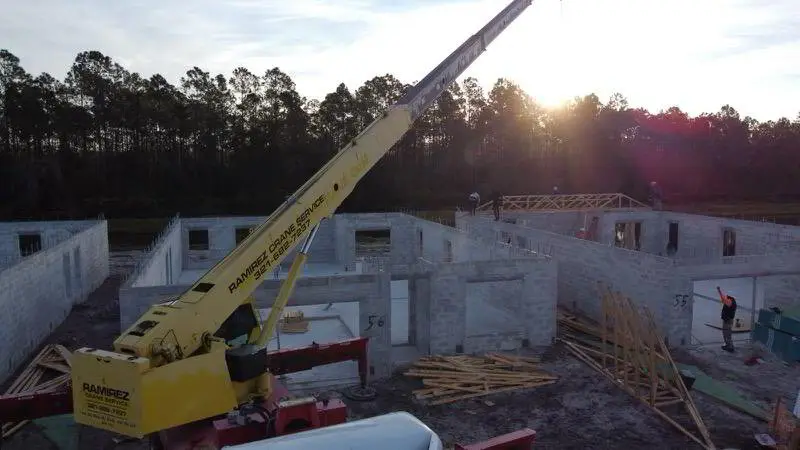
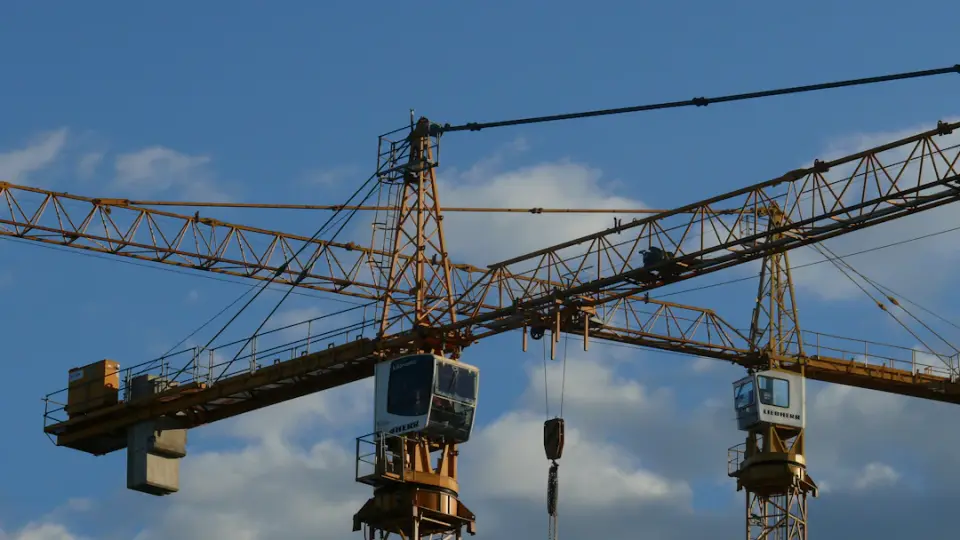
Buffalo sits at the eastern end of Lake Erie, near the Niagara River and the Canadian border. Waterfront redevelopment, hospital and university construction, industrial work, bridge and highway projects, and renovation of older commercial buildings keep cranes busy during the building season.
Buffalo NCCCO crane training from The Crane School is delivered on-site at your yard or project, or through open-enrollment classes at our training center in Seffner, Florida. There is no Buffalo office.
For most Western New York contractors, the deciding factor is headcount. Certifying a handful of operators and riggers at once favors an on-site visit, while a single operator changing careers may prefer a full-time class in Florida.
Lake-effect snow and the lift plan
Western New York is famous for lake-effect snow, and winter weather shapes crane work here more than in most places. Snow loads on booms and loads, icy outrigger pads, frozen ground that later thaws and strong wind off the lake all need to be part of planning.
Our instructors bring years of operating experience and connect these conditions to exam topics such as load charts, ground bearing and wind limits. Our post on crane safety in extreme weather is a good primer.
Because the construction season is compressed, many Buffalo contractors use late winter to certify crews so they are ready when work ramps up. Training in Seffner during a Buffalo winter is another option many operators appreciate.
Programs by crew
- Experienced crane operators: mobile crane certification prep for TSS, TLL and LAT.
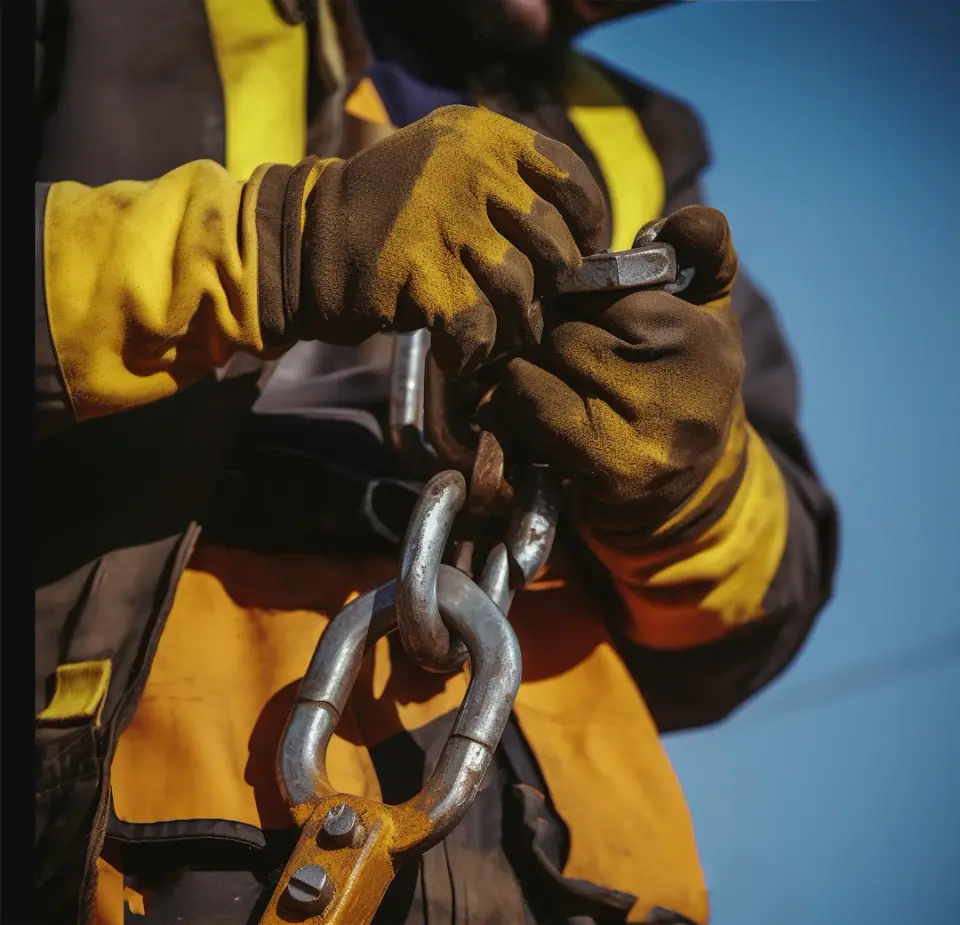
- Industrial and plant riggers: the rigger qualification and certification program for NCCCO Rigger Level I and II.
- Telehandler operators on building sites: NCCCO THO prep through the telehandler program.
- Newcomers: the initial 3-week or 5-week course in Seffner, Monday through Thursday.
Crews renovating older industrial and grain-era buildings often deal with odd-shaped loads and limited access, which makes rigging skill especially valuable.
On-site programs can combine several of these groups in one visit. A plant might certify two operators, four riggers and a couple of signalpersons in the same week, which keeps everyone working from the same procedures and saves on travel.
New York requirements
Operators working anywhere in New York should be aware that the state sets crane operator requirements on top of OSHA. Check the current rules with the state agency and NCCCO's state licensing information before you work there. New York City runs its own licensing system as well, so jobs downstate need separate attention.
Operators who cross into Canada for work face entirely different rules and should check with the relevant provincial authority.
Large public and institutional projects in Erie County may also write credential requirements into their contracts. Checking those early gives your operators time to certify before mobilization, especially since NCCCO cards typically arrive three to five weeks after passing.
Getting started with Buffalo NCCCO crane training
Send us your crew list and equipment, and we will plan an on-site program with practical exams on your machines, scheduled with our NCCCO accredited examiners. Individuals can check the class schedule for monthly prep dates in Seffner. Flights from Buffalo Niagara International to Tampa make the trip manageable, and our negotiated hotel rate near the Tampa fairgrounds helps with lodging.
For more on statewide options, see our New York crane training page.