
Where Cincinnati Cranes Go to Work
In Cincinnati, crane work tends to cluster along the Ohio River and around the industries that settled on its banks. Bulk yards and barge terminals sit at the water's edge, large chemical and consumer-products plants are spread through the region, and hospitals and universities keep expanding their campuses. Add interstate interchanges and bridges, and heavy-civil lifting never really slows down.
For operators and supervisors on those projects, The Crane School delivers crane operator training in Cincinnati one of two ways: we send instructors to your facility, or you come down to our Seffner, Florida training center a short drive east of Tampa.
Riverbank Lifts Need Extra Respect
A riverfront setup is nothing like parking a crane on dry pavement. Ground near the Ohio can be soft and waterlogged, bulkheads and retaining walls were rarely designed for outrigger pressure, and water levels swing over the seasons. Picks to or from a barge bring a deck that moves and very little room to land a load.
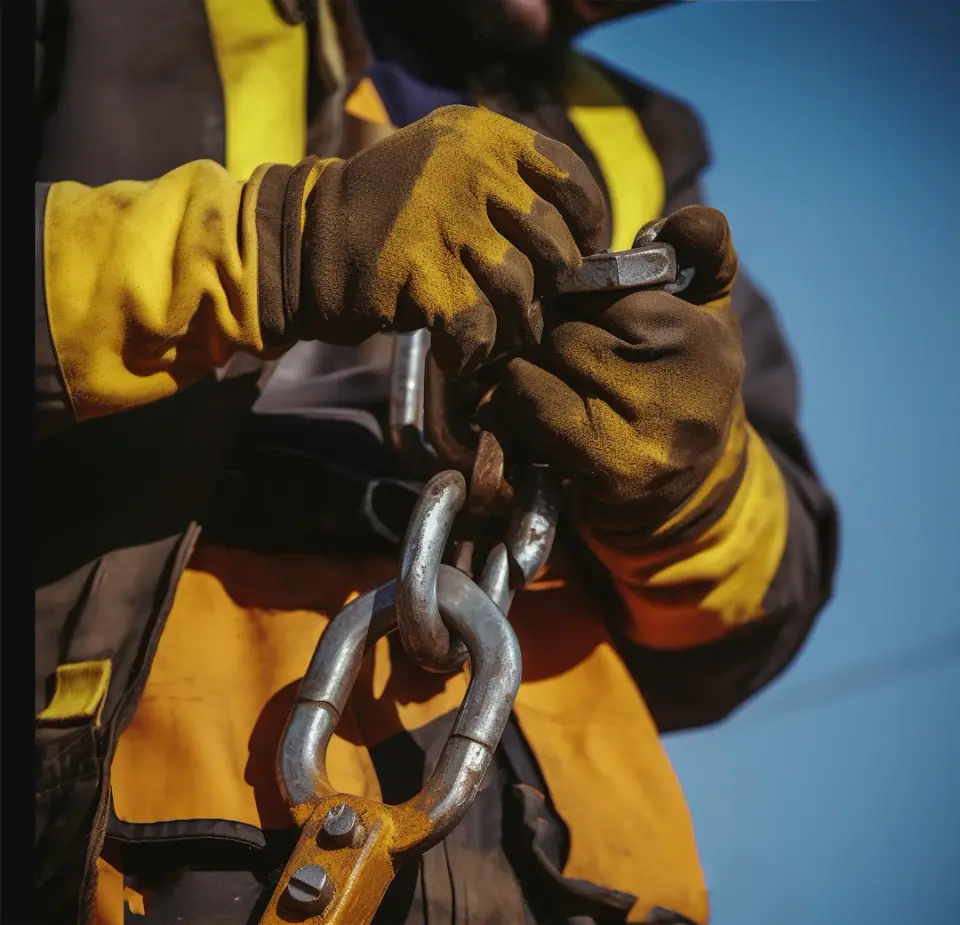
On sites like that, the operators who stay out of trouble compare the chart to what the ground can actually hold, and the riggers know how to work out weights and select hardware without guessing. Our rigging qualification and NCCCO rigger course serves both in-house qualification and the Rigger Level I and II exams.
Questions worth asking before a riverfront pick
- Does anyone know what lies beneath each outrigger pad?
- Will the barge or deck shift, and how is the landing being controlled?
- Who is signaling, and does the operator have a clear line of sight to them?
Programs That Fit Tri-State Crews
When a seasoned mobile crane hand needs a first card or a renewal, the usual choice is our TSS, TLL and LAT prep course for working operators. Maintenance departments that swap out plant equipment with boom trucks or knuckle-booms tend to go the articulating crane route instead.
Cincinnati-area newcomers with little or no seat time can come to Seffner for the beginner mobile crane program, offered in 3-week and 5-week lengths. Training days run Monday to Thursday, and the course finishes with the NCCCO written and practical tests, so a first certification is the built-in goal.
Some plant and hospital-project supervisors plan picks without ever sitting in the cab. Managing Crane Safety is aimed at them, covering OSHA compliance, lift planning, inspections and who is responsible for what on a shared site.
On-Site in Cincinnati or Open Enrollment in Seffner
There is no Crane School office in Cincinnati. When you have a group, our instructors handle the classroom work at your location, and our accredited practical examiners test on your cranes as long as they meet NCCCO criteria. Certifying several operators in one visit is typically the cheapest and fastest way to go.
Solo operators and people changing careers can fly CVG to Tampa and join a scheduled class in Seffner. Dates are on our course calendar, and the office can point you to a discounted rate at a hotel near the school.
If your Ohio fleet also needs annual or periodic inspections, see our crane inspection work in Ohio.
Ohio and Kentucky Licensing
There's no Ohio crane operator license. Federal OSHA governs instead, with construction operators certified crane type by crane type, and any employer is free to demand more. Crews that cross the river into Kentucky should check that state's current requirements before heading over. For a statewide view, read our crane certification guide for Ohio.