
Glass City Industry and the Port
Toledo earned the nickname Glass City from its long history in glassmaking, and it remains an industrial city today, with automotive manufacturing, refining and a busy port where the Maumee River meets Lake Erie. Each of those industries depends on cranes, whether for equipment installs, turnaround work or bulk cargo.
For employers and operators in the area, NCCCO crane training in Toledo is mostly about getting experienced people properly certified and keeping ground crews qualified, so that plant and port lifts follow the same standard.
Turnarounds and Plant Shutdowns
Refineries and large manufacturing plants schedule shutdowns and turnarounds to replace equipment and make repairs. During those windows, many contractors work in a confined area, with cranes lifting over live piping and structures. Gate requirements are strict, and missing paperwork can keep an operator off the job.
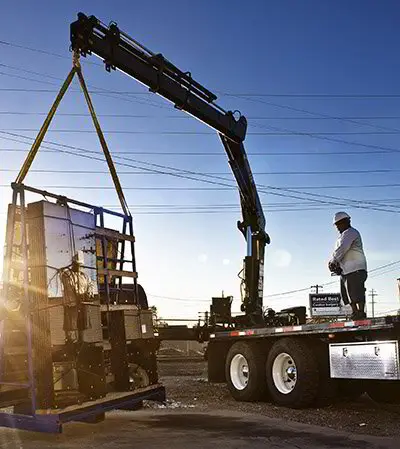
Operators preparing for that work often take the mobile crane certification prep program for TSS, TLL or LAT certification. Contractors who run knuckle-boom trucks for deliveries and smaller picks can look at articulating crane certification. Scheduling certification well before turnaround season avoids last-minute surprises.
Rigging on the Docks and in the Plant
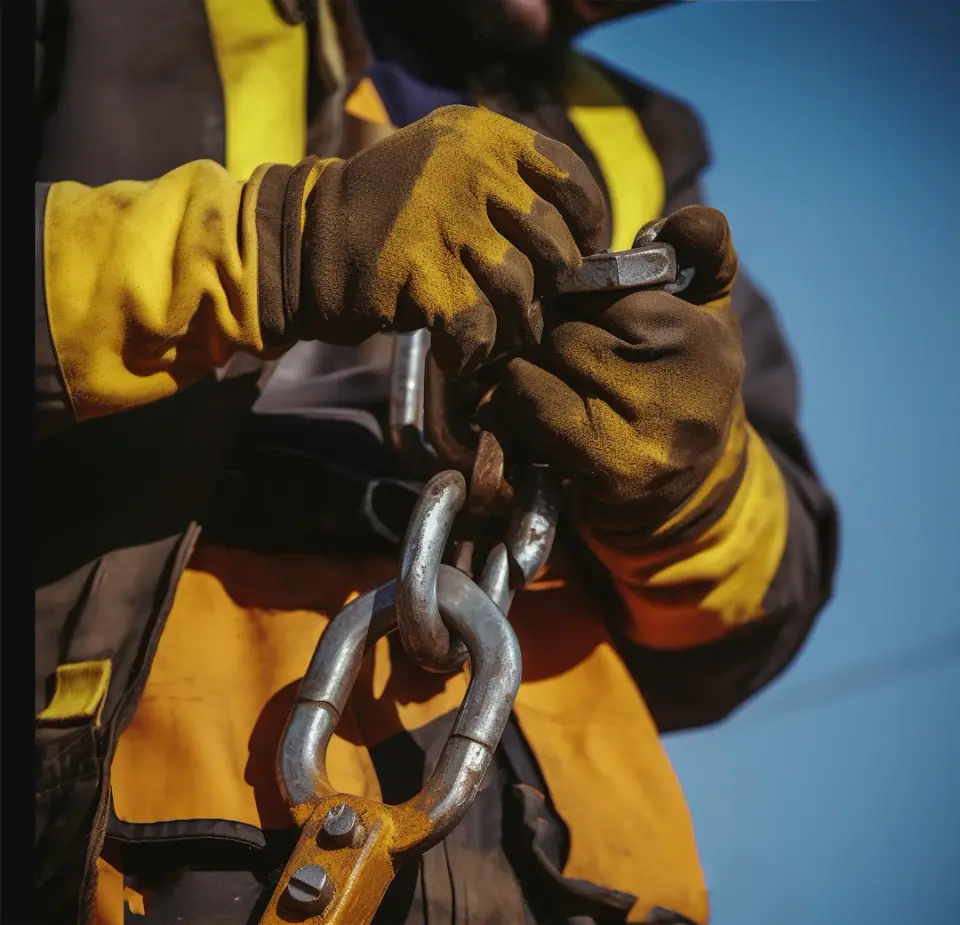
Heavy, oddly shaped loads are routine at a port and in manufacturing: dies, presses, coils, steel sections and machinery. Getting them in the air safely depends on accurate weights, correct sling angles and properly inspected hardware.
Our rigger certification program helps companies qualify their riggers and prepares candidates for NCCCO Rigger Level I and II exams. Training riggers and operators together builds shared habits on the ground, which matters when the lift is out of the operator's sight.
Lake Erie winters
Northwest Ohio winters bring snow, ice and cold wind off the lake. Plan for slick surfaces, ice-coated loads and shorter daylight when scheduling outdoor lifts and practical exams.
Planning a Training Visit to a Toledo Plant
Industrial sites have rules that a training session must fit inside: badge access, site orientation, permits for work near process units and restricted areas. Building those requirements into the plan early keeps an on-site visit on schedule.
Before we set dates, it helps to know:
- Which cranes, boom trucks or telehandlers are available for practical exams.
- How many candidates need written exams, practical exams or both.
- Any site orientation our instructors must complete before arrival.
- Where a level test course can be laid out away from operating equipment.
With that information, we can propose a schedule that fits around production and keeps your certified crew ready for the next shutdown.
How Toledo Employers Access Training
The Crane School has no Toledo office. Our instructors and accredited practical examiners travel to employers for on-site sessions, with practical exams run on your cranes when they meet NCCCO requirements. Individuals can travel to our Seffner, Florida training center for open-enrollment classes; Detroit Metro is the nearest major airport with frequent Tampa service.
If your fleet also needs annual, periodic or post-incident inspections, see our Ohio crane inspection services.
Ohio does not have its own crane operator license. Federal OSHA rules govern, and plant owners often set stricter contractor requirements. Toledo crews who cross into Michigan should check that state's rules separately before working there. More detail is on our Ohio crane certification page.