
Capital City Lifting
Oregon's capital, Salem, is the hub of the mid-Willamette Valley. Beyond state offices and public works, the local economy leans on food processing, farms and nurseries, healthcare and a steady pipeline of commercial building. Crane jobs run from utility projects and facility maintenance to setting new equipment inside processing plants.
Whether the employer is a public agency or a private company, crane certification training in Salem, Oregon gives it a way to show that its crane and boom truck operators meet a recognized standard.
Public Fleets and Boom Trucks
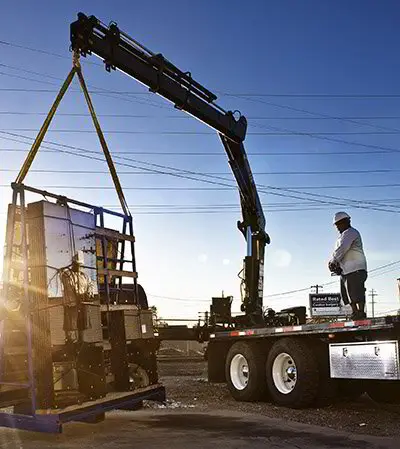
Public works departments, utilities and state agencies lean on knuckle-boom cranes and boom trucks for water and sewer repairs, traffic signals and building upkeep. Because some of those operators only make a few lifts a week, formal training matters even more: skills used occasionally slip, and a refresher ahead of each certification cycle brings them back.
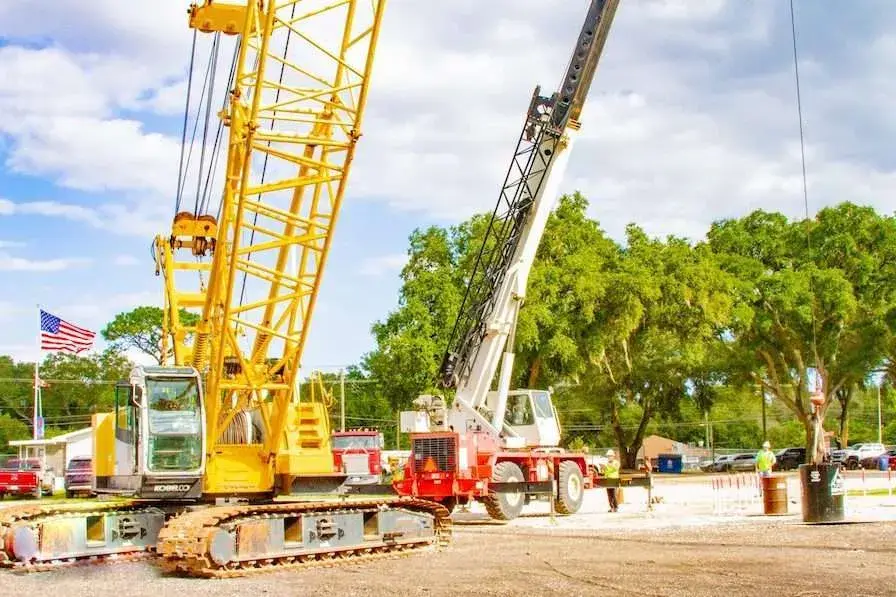
Seasoned knuckle-boom operators can get ready for NCCCO ABC, ABL and ABW testing in our knuckle boom certification prep course. Those running telescopic boom trucks or mobile cranes can work toward TSS and TLL through the prep course for mobile crane operators. Public-sector organizations we have trained for include counties and municipalities, the US Bureau of Reclamation and the US Army Corps of Engineers.
Managers Who Oversee Crane Work
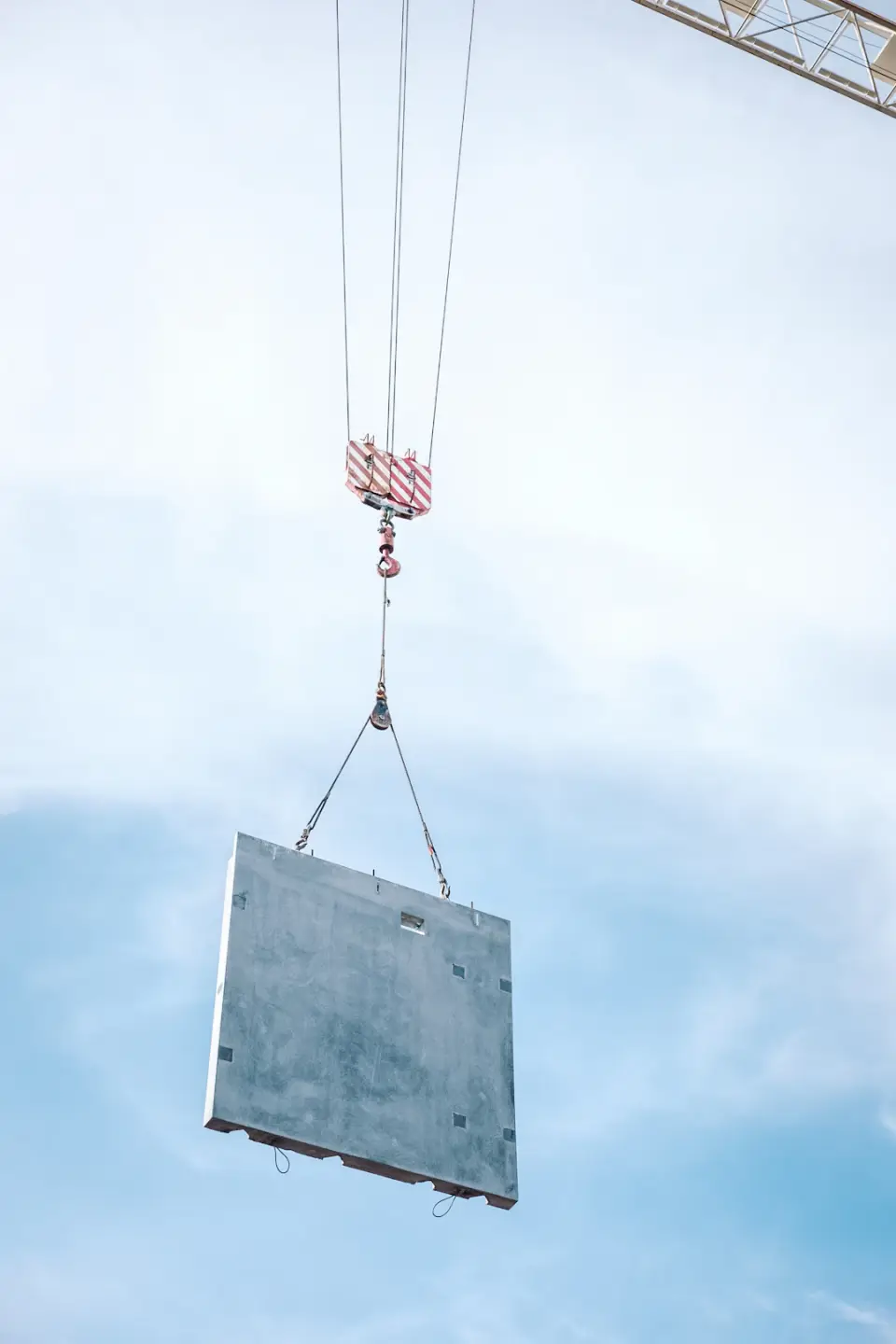
At agencies and processing plants, it's common for a supervisor to schedule crane jobs, hire contractors and sign off on lift plans while never running a crane. Our crane safety training for managers looks at OSHA and industry compliance, responsibilities, planning, inspections and certification through that supervisor's eyes.
Inspections for public fleets
Qualified operators are only part of it; the cranes themselves need regular inspection. Our NCCCO-certified inspectors handle annual, periodic and post-incident inspections on mobile, articulating and other cranes. Read more on our crane inspection page.
Valley Weather and Seasonal Work
Through the wet months, steady mid-valley rain turns ground soft and surfaces slippery; summers are dry and warm, sometimes with wildfire smoke drifting in. Processors are at their busiest during harvest, so most of them save equipment changes and training for the slower part of the year.
Salem-area nurseries and farms also use cranes and telehandlers to move big trees, irrigation gear and building materials. Those picks happen on uneven, frequently muddy ground where a level, stable setup counts for more than rated capacity. Telehandler operators on such sites can work toward NCCCO THO certification in our telehandler program.
When booking on-site testing, weigh both the weather and the plant's workload. Late spring and early fall tend to offer drier ground and lighter production, with enough runway to wrap up certification before things get busy.
On-Site in Salem or in Seffner, and Oregon Rules
We have no office in Salem. Instead, our instructors and accredited practical examiners come to your site to train and test on your own equipment. One on-site visit can serve several agency departments and generate a single set of training records, which makes audits and insurance reviews easier. Individual students can fly from Portland International to Tampa and attend class at our Seffner, Florida center.
Oregon operates its own program, Oregon OSHA, whose crane rules must be at least as protective as the federal ones and may include requirements unique to the state. Look up the current rules that apply to your work, and remember an employer can be stricter. Our Oregon crane certification overview has more.