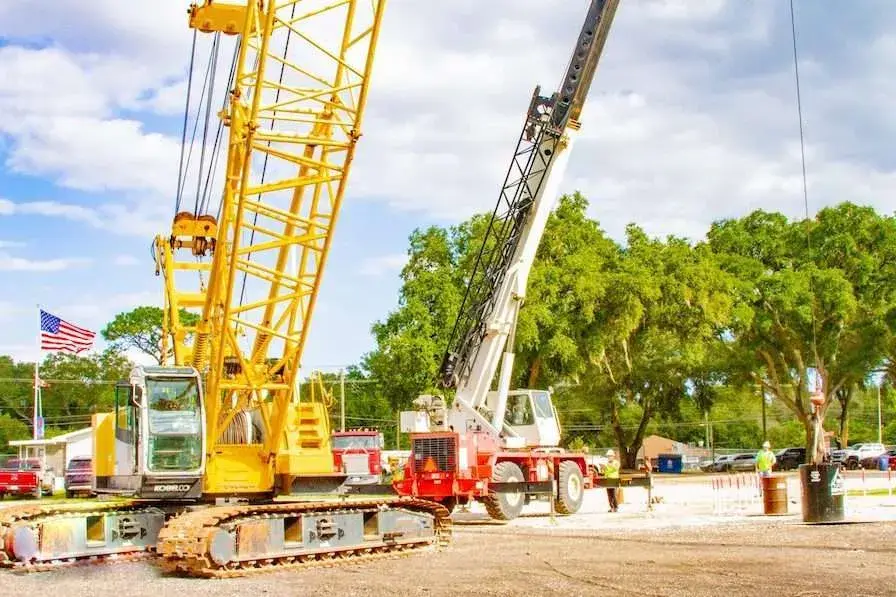

Mobile crane lifting mill equipment during a shutdown at a wood-products plant near Eugene, Oregon
Eugene-Springfield

NCCCO Crane Certification for Eugene and the Southern Willamette Valley

Operator and rigger certification for wood-products, campus and construction crews in Eugene and Springfield.

Mills, Campus and the Valley Economy

Eugene and neighboring Springfield sit at the southern end of the Willamette Valley, in a region long tied to the timber and wood-products industry. Sawmills, plywood and engineered-wood plants, and the equipment shops that serve them still depend on cranes for maintenance and installs. The University of Oregon, regional hospitals and steady commercial construction add a different kind of lifting.

Whether the job is a mill rebuild or a new campus building, NCCCO crane certification in Eugene gives employers a consistent way to show their operators meet a recognized standard.

Lifting Inside Wood-Products Plants

Mill work often happens during planned shutdowns, with cranes swapping out saws, conveyors, dryers and press components while other trades work nearby. Loads are heavy and awkward, hookups can be complex, and the lift path is usually crowded with structure and piping.

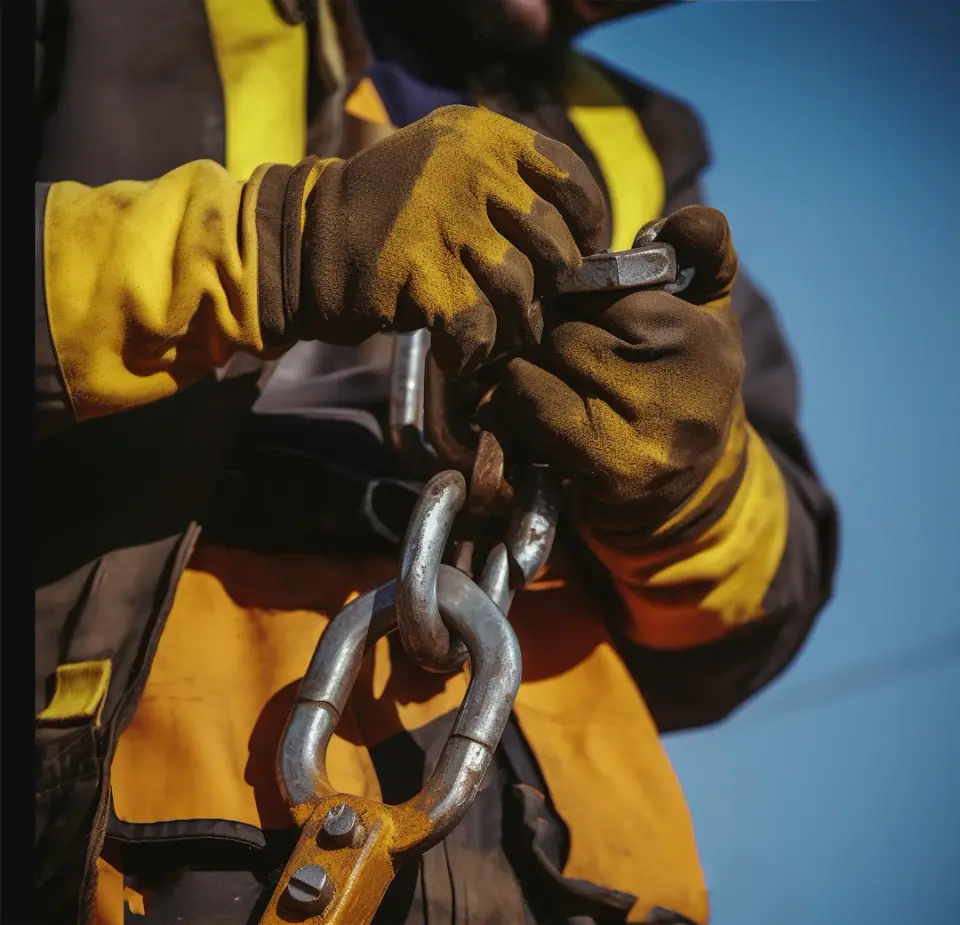
That puts a lot of weight on the rigging crew. Our rigger qualification and certification program helps companies qualify riggers and prepares them for NCCCO Rigger Level I and II exams, covering load weights, center of gravity and sling angles. Operators who already have experience can certify through the mobile crane prep program, covering TSS, TLL and LAT exams.

Rain and Soft Ground

The valley's wet season runs through much of fall, winter and spring. Steady rain saturates soils, fills excavations and turns gravel yards into soft ground, all of which affects outrigger support. Wet steel and rigging also become slippery, and fog can limit visibility.

Winter in the valley is usually more wet than frozen, but occasional ice storms and snow do happen, and they catch crews off guard precisely because they are rare. Ice-coated rigging and loads add weight and reduce grip, so treat any icing event as a reason to stop and reassess.

Before setting up, check what is beneath the outriggers, use properly sized mats or cribbing, and reassess after heavy rain. Our post on extreme weather crane safety covers more planning tips for wet and windy conditions.

How Eugene Employers Train

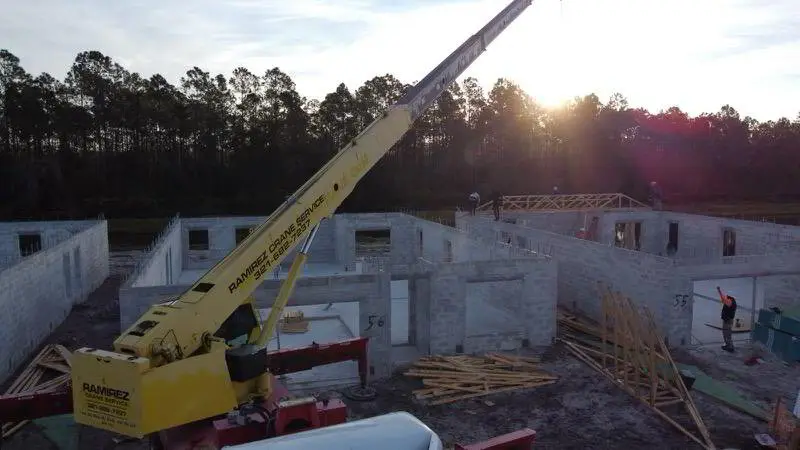
There is no Crane School office in Eugene. For employers with groups, our instructors and accredited practical examiners can travel to your facility, teach classroom sessions on site and run exams on your cranes when they meet NCCCO requirements. Mills can often schedule training around maintenance outages. Combining operators and riggers in one session also means the people who will work the next outage together have trained together.

Individuals can fly from Eugene's airport with connections to Tampa and attend open-enrollment classes at our training center in Seffner, Florida, where CCO written exams are offered every month. People new to the trade can take the 3-week or 5-week initial mobile crane program there.

Supervisors and safety staff

Managers who plan lifts and oversee contractors can take the Managing Crane Safety class, which covers compliance, responsibilities and inspections.

Oregon OSHA and Certification

Oregon operates its own state safety program, Oregon OSHA, which enforces crane rules at least as effective as federal OSHA and may include state-specific requirements. Verify the current rules for your operations, and note that employers may set stricter policies. Visit our Oregon NCCCO prep page for more.
Frequently Asked Questions

Can a Eugene mill schedule crane training during a maintenance outage?

On-site dates are set with each employer, so training can often be planned around your outage schedule when our instructors are available.

Do mill riggers need certification?

OSHA rules require qualified riggers for many crane operations. NCCCO Rigger certification is a recognized way to document qualification, and some employers require it.

Can I take the written exams in Florida and the practical in Oregon?

Contact us to discuss your situation. CCO written exams are offered monthly in Seffner, and our practical examiners can schedule exams nationwide.

The Crane School

Training Programs & Services

All programs are delivered in compliance with current OSHA regulations.

Mobile Crane Operator Certification Prep Program

For experienced operators ready to certify or recertify. Includes NCCCO TSS, TLL and LAT written and practical exams.

Learn more about Mobile Crane Certification Prep

Initial Mobile Crane Operator Training Program

For people with little or no crane experience. 3-week (TSS/TLL) and 5-week (adds LAT) programs with NCCCO exams.

Learn more about Initial Mobile Crane Training (3 & 5 Week)

Articulating Crane Operator Certification Prep Program

For knuckle-boom operators. Prepares you for the NCCCO ABC, ABL and ABW written and practical exams.

Learn more about Articulating Crane Certification Prep

Rigger Qualification / Certification Program

For personnel who rig loads to cranes — supports your rigger qualification and NCCCO Rigger Level I/II exams.

Learn more about Rigger Level 1 & 2

Signalperson Qualification / Certification Program

Standard hand and voice signals for directing cranes, plus preparation for the NCCCO Signalperson exams.

Learn more about Signalperson

Managing Crane Safety Class

For managers and supervisors: OSHA compliance, lift planning, inspections, certification and liability.

Learn more about Managing Crane Safety

Telehandler Operator Program

Certification or recertification for telehandler operators. Includes the NCCCO THO written and practical exams.

Learn more about Telehandler Operator

Crane Inspection Services

Annual, monthly, post-assembly and post-incident inspections plus load testing by NCCCO-certified inspectors.

Learn more about Crane Inspections

Related Reading

Crane Operator Practice Test

Ten quick questions on crane safety rules and NCCCO basics. Pick one answer per question — your score shows on the next page.

1. Which OSHA standard covers cranes and derricks used in construction?
2. How long is an NCCCO crane operator certification valid before recertification?
3. What does NCCCO stand for?
4. Under OSHA's current construction crane rule, operator certification must be obtained by:
5. Under OSHA Table A (1926.1408), what is the minimum clearance from power lines rated up to 50 kV?
6. When is a signal person required?
7. Whose emergency stop signal must a crane operator obey?
8. What does an anti-two-block device prevent?
9. Which document gives a crane's rated capacity for a given boom length and radius?
10. Which NCCCO designation covers telescopic boom cranes with a swing cab?