Who Sets the Rules for Vermont Crane Work
Vermont's safety rules are enforced by VOSHA, the state's own occupational safety program operating under federal OSHA approval. Its construction crane rules have to measure up to Subpart CC of 29 CFR 1926, and the part that matters most to operators, 1926.1427, makes certification by an accredited tester (or an approved qualification program) a condition of running covered equipment.
Vermont does not show up on the usual lists of states that license crane operators themselves. So for most people, Vermont crane certification comes down to an NCCCO card for every crane type you operate, plus whatever your company or the project owner asks for. State agencies and larger general contractors often write certification into their bid documents, so smaller subs feel that requirement too.
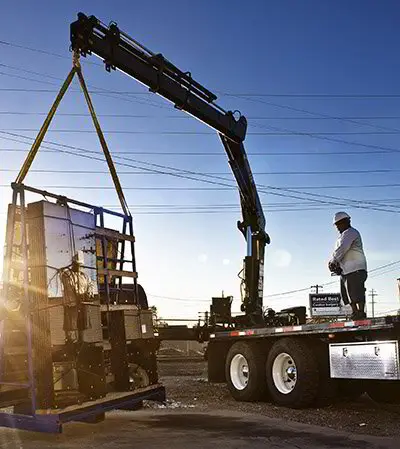
A separate point catches many Vermont contractors off guard. A lot of boom trucks used for delivering trusses, block and roofing are covered by the federal crane standard. If your truck has a crane on it, check whether its operators need certification before an inspector or a GC asks.
Quarries, Ski Hills and Rebuilt Bridges
Vermont's lifting jobs are smaller in number than in big states, but they are varied.
Stone country
Granite quarrying around Barre and marble working in the western part of the state go back generations. Moving and finishing heavy stone relies on derricks, overhead cranes and mobile cranes, and much of that work happens under MSHA or general industry rules rather than construction rules. Our instructors know the differences between OSHA, MSHA and ANSI/ASME requirements and can help you sort out which apply.
Mountain resorts
Ski areas bring lift tower installation, lodge construction and snowmaking infrastructure, often on slopes where crane access is limited and the building season is short.
Roads and bridges
Tropical Storm Irene in 2011 damaged roads and bridges across the state, and flooding has struck again since. Rebuilding river crossings in narrow valleys means setting beams and precast pieces from tight pads beside fast water. Burlington and the surrounding area add hospital, university and housing construction.
Short seasons, long winters
Frost laws on many town roads limit heavy hauling during spring thaw, and real snow arrives early in the mountains. That compresses the building season and pushes crews to stack lifts into summer and fall. When the calendar is tight, pressure to hurry grows, and that is exactly when disciplined setup and a proper pre-lift check matter most.
Passing the Exams on Your First Attempt
Many Vermont operators have run the same machine for years for a small company and have never sat for a formal exam. That is often where the stress comes from. A few habits make test day go much better.
First, get comfortable with load charts that are not yours. The NCCCO written specialty exams use sample charts, and candidates who only know their own crane's chart lose points on deductions, radius and parts-of-line questions. Second, review the core material on site setup, power lines and signals; it is common to all mobile crane designations. Third, practice the practical course. Smooth, deliberate control is scored, and so are touching or knocking down course markers.
Our article with tips for passing the NCCCO exam on the first try goes deeper. When you enroll, ask about our written-exam guarantee.
Training Options for a Small State
With fewer operators spread across many small towns, Vermont crews have to be practical about logistics.
Bring us north. If a contractor, quarry or municipal department has several people who need cards, we can teach on location anywhere in Vermont and arrange the NCCCO practical on your own crane. Our team includes Accredited Practical Examiners. Pooling operators from a few neighboring companies into one session is a smart way to make a visit worthwhile.
Head south to Seffner. A single operator may find it simpler to fly to Tampa and join an open class at our training yard in Seffner. Written testing is held there every month, practice time on our cranes can be booked by the hour, and students get a reduced rate at a nearby hotel. February or March, when mud season and frost laws slow work at home, can be a good time to go.
Look at the open-enrollment calendar or ask us about combining crews for an on-site visit.
Programs That Suit Vermont Contractors
- Truck-mounted knuckle booms are common on Vermont lumber and building supply deliveries. The articulating crane prep program targets NCCCO's ABC, ABL and ABW exams.
- Operators of telescopic hydraulic cranes who already know their way around the seat should look at the mobile crane certification weekend, which handles TSS, TLL and LAT from Friday to Monday.
- People new to cranes, perhaps moving up from excavators or loaders, will want the multi-week beginner program so they build hours before testing.
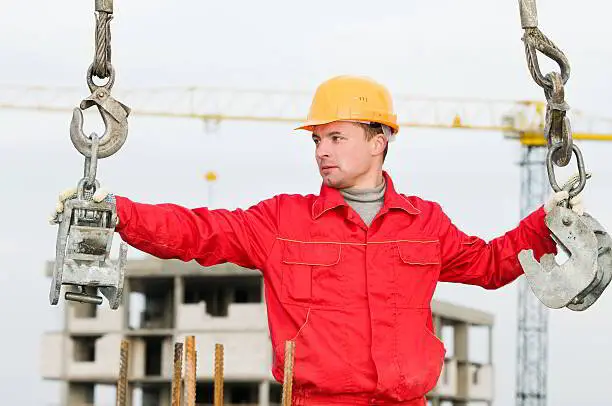
On bridge and resort jobs where the operator cannot see the landing spot, a qualified signalperson is required. Our signalperson course covers standard hand and voice signals and prepares candidates for the NCCCO exam.
Staying Certified in Vermont
NCCCO cards last five years. In a small market, word gets around about who keeps their credentials current, so it pays to plan renewal a year ahead.
If you want to see how crane operator pay in Vermont compares with neighboring states, the Bureau of Labor Statistics wage estimates for occupation 53-7021 (opens in a new tab) are the place to look. Operators who add rigging or signaling credentials, or who take on inspection duties for their company, often find more steady year-round work. In a state where one person may run the crane, rig the load and check the equipment, broad skills are worth more than narrow ones.