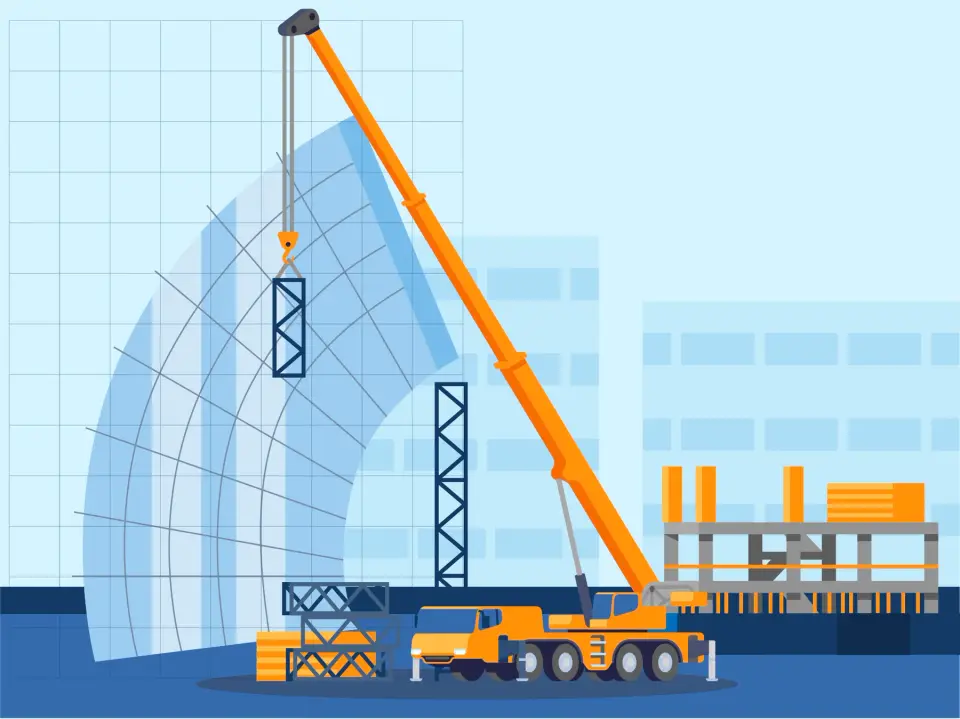

Crane lifting a granite block at a stone yard near Montpelier and Barre, Vermont
Central Vermont

Crane Operator Training for Montpelier and Central Vermont

Granite, river towns and state government projects shape crane work around Montpelier. Here is how local crews can prepare for NCCCO exams.

The Capital, the River and the Granite Belt

Montpelier is Vermont's capital and the smallest state capital in the country by population. State government buildings, bridges and road work make up a share of the local construction, and the Winooski River runs right through downtown. Next door, Barre is known for its granite quarries and stone-finishing industry, where heavy lifting is part of the daily work.

Crane operator training in Montpelier, VT therefore spans public infrastructure, small-town building projects and industrial stone handling.

Heavy Stone Needs Careful Rigging

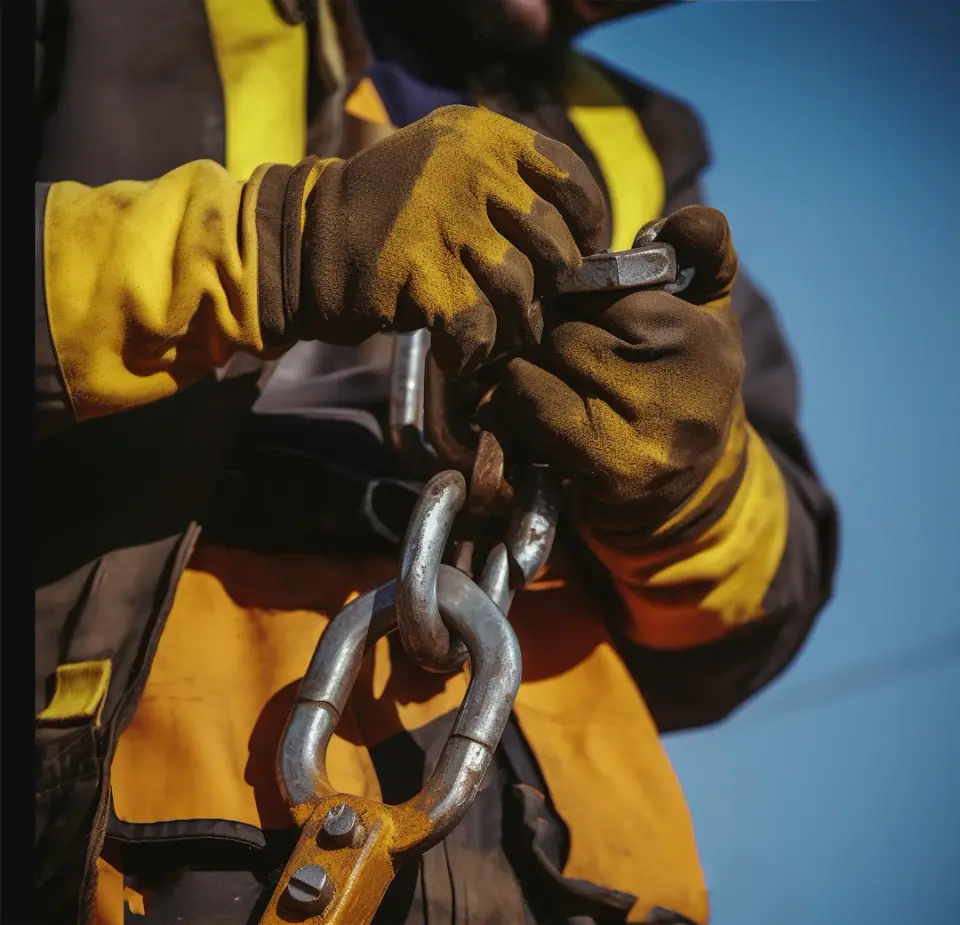
Granite blocks and finished monuments are dense, heavy and often irregular. Lifting them safely depends on accurate weight estimates, the right slings and hardware, and protecting both the load and the rigging from sharp edges. That is rigger work as much as operator work.

Rigger Level I and II training prepares crews for NCCCO rigger written and practical exams and supports a company's own rigger qualification process. Operators with experience can prepare for TSS, TLL or LAT through the mobile crane certification prep program. Our article on load calculations is good background reading.

Flooding, Snow and Rebuilding

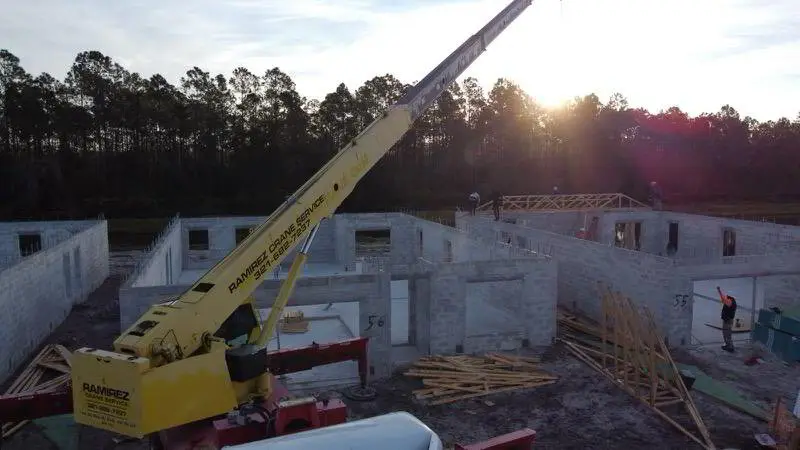
The Winooski River has a long history of flooding, and central Vermont has dealt with serious flood damage in recent years. Rebuilding bridges, culverts and riverside buildings involves cranes working on saturated ground near moving water, where careful site assessment matters. Operators may need to set up on temporary pads, work at long radius over water and coordinate with crews installing new structures in the river channel. Those conditions leave little margin for error, which is why load charts, ground bearing and signaling get so much attention in our classes.

Winters here are cold and snowy, and spring mud season makes many sites soft for weeks. On-site practical exams are easiest to schedule from late spring through early fall.

Vermont Rules

Vermont is not among the states commonly cited for a separate crane operator license, so federal OSHA crane rules govern construction lifting. Employers and project owners can, and often do, set stricter requirements. See our Vermont crane training page for more.

Public agencies that own bridges and buildings in and around the capital often write their own crane and rigging requirements into contracts. Before bidding, read the specifications closely; some ask for documented operator certification, qualified riggers and a written lift plan for critical picks. Getting your crew certified ahead of time keeps those requirements from becoming a last-minute scramble.

Your Training Options

We have no Montpelier office. Employers can host our instructors and accredited examiners at their own facility, where crews train and test on familiar cranes. Individuals can attend open classes at our Seffner, Florida campus. Multi-week programs run Monday through Thursday, 7:00 AM to 4:00 PM, and we have a negotiated rate at a nearby hotel.

For stone yards and contractors with only a few operators, combining operator, rigger and signalperson credentials in one on-site visit is often the most efficient choice. Tell us what equipment you run and how many people need each credential, and we will suggest a plan. Operators renewing a card should start in their final year, since NCCCO certifications are valid for five years.
Frequently Asked Questions

Can granite and stone companies host on-site rigger training?

Yes. On-site training lets your crew practice rigging the same kinds of loads they handle daily, with practical exams scheduled at your facility when equipment and space allow.

Is there a crane school in Montpelier?

We do not have a Vermont location. We train on-site at employers' facilities or at our campus in Seffner, Florida.

When is the best time for practical exams in central Vermont?

Late spring through early fall, after mud season and before snow, usually offers the most reliable outdoor conditions.

The Crane School

Training Programs & Services

All programs are delivered in compliance with current OSHA regulations.

Mobile Crane Operator Certification Prep Program

For experienced operators ready to certify or recertify. Includes NCCCO TSS, TLL and LAT written and practical exams.

Learn more about Mobile Crane Certification Prep

Initial Mobile Crane Operator Training Program

For people with little or no crane experience. 3-week (TSS/TLL) and 5-week (adds LAT) programs with NCCCO exams.

Learn more about Initial Mobile Crane Training (3 & 5 Week)

Articulating Crane Operator Certification Prep Program

For knuckle-boom operators. Prepares you for the NCCCO ABC, ABL and ABW written and practical exams.

Learn more about Articulating Crane Certification Prep

Rigger Qualification / Certification Program

For personnel who rig loads to cranes — supports your rigger qualification and NCCCO Rigger Level I/II exams.

Learn more about Rigger Level 1 & 2

Signalperson Qualification / Certification Program

Standard hand and voice signals for directing cranes, plus preparation for the NCCCO Signalperson exams.

Learn more about Signalperson

Managing Crane Safety Class

For managers and supervisors: OSHA compliance, lift planning, inspections, certification and liability.

Learn more about Managing Crane Safety

Telehandler Operator Program

Certification or recertification for telehandler operators. Includes the NCCCO THO written and practical exams.

Learn more about Telehandler Operator

Crane Inspection Services

Annual, monthly, post-assembly and post-incident inspections plus load testing by NCCCO-certified inspectors.

Learn more about Crane Inspections

Related Reading

Crane Operator Practice Test

Ten quick questions on crane safety rules and NCCCO basics. Pick one answer per question — your score shows on the next page.

1. Which OSHA standard covers cranes and derricks used in construction?
2. How long is an NCCCO crane operator certification valid before recertification?
3. What does NCCCO stand for?
4. Under OSHA's current construction crane rule, operator certification must be obtained by:
5. Under OSHA Table A (1926.1408), what is the minimum clearance from power lines rated up to 50 kV?
6. When is a signal person required?
7. Whose emergency stop signal must a crane operator obey?
8. What does an anti-two-block device prevent?
9. Which document gives a crane's rated capacity for a given boom length and radius?
10. Which NCCCO designation covers telescopic boom cranes with a swing cab?