

Mobile crane lifting a heavy haul truck component at a mine maintenance shop near Gillette, Wyoming
Powder River Basin

Gillette Crane Operator Training for the Powder River Basin

Campbell County mine shops, energy outfits and builders can have their people readied for NCCCO testing on home ground, or send them south to an open class in Florida.

Work in the Energy Capital

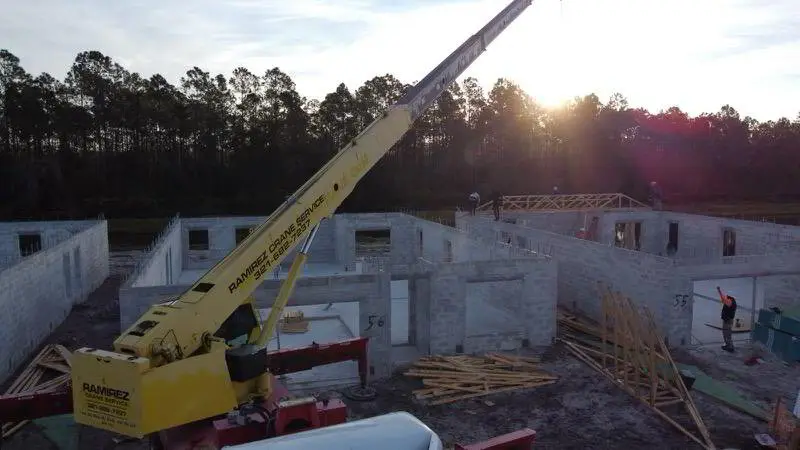
Gillette calls itself the Energy Capital of the Nation, and the nickname reflects the Powder River Basin's large surface coal mines along with oil and natural gas production. Mine maintenance shops rely on cranes to change out haul truck components, shovel and dragline parts, conveyor sections and heavy motors. Energy service companies use boom trucks and hydraulic cranes in the field, and local construction keeps commercial cranes busy in town.

For employers in Campbell County, Gillette WY crane operator training often centers on heavy, awkward components and experienced crews who need certification on paper.

MSHA, OSHA and Your Site Rules

Inside the mine gate, the Mine Safety and Health Administration (MSHA) is generally the regulator; step outside onto a construction job or many off-property operations and OSHA takes over. Because our instructors know the lifting rules in OSHA, MSHA and ANSI/ASME, a crew that splits time between the shop and an outside project gets training that fits both.

Cheyenne doesn't license crane operators, which leaves construction crane work to the federal standard. Mine operators and other employers frequently raise that bar. Our Wyoming crane certification page explains statewide service, and you can also see our Wyoming training options overview.

Heavy Components Call for Strong Rigging

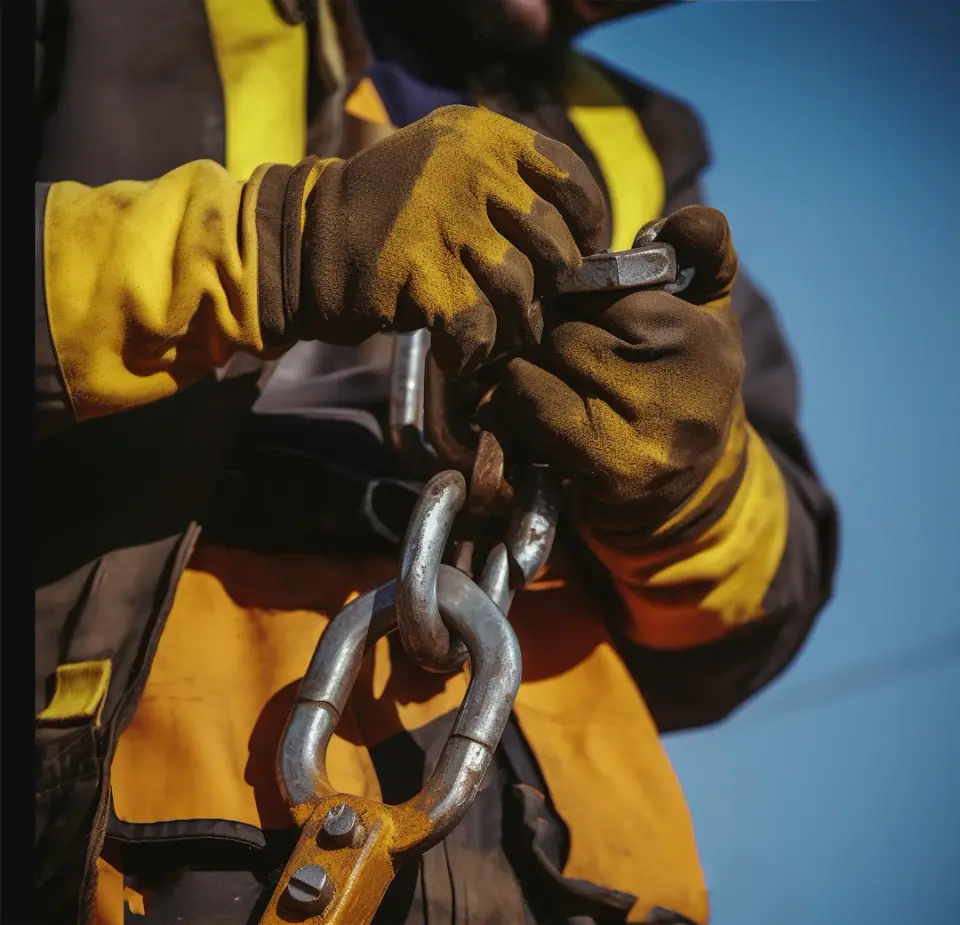
A mine shop lift might involve a wheel motor, a final drive or a bucket component with an offset center of gravity and limited lifting points. Whether that pick goes smoothly rests on the rigger and signalperson just as heavily as on whoever's in the seat. We back up your in-house rigger qualification with a rigging course aimed at NCCCO Rigger Level I and II, while signalperson training drills standard hand and voice signals.

Whoever runs the hydraulic and lattice machines can work toward TSS, TLL and LAT in the monthly mobile crane prep session.

Cold, Wind and Distance

Powder River Basin winters bring deep cold, blowing snow and wind across open country. Cold stiffens hydraulics, ice adds weight to booms and blocks, and blowing snow can make signals hard to see. Out in open country, assistance can be hours off, which makes a thorough walkaround before each shift and a cautious call on borderline weather that much more important. Class time covers cold-weather issues together with chart reading and hands-on technique; for homework, try our post on figuring loads correctly.

Long rotations are the norm in Basin operations, and pulling everyone off at the same time rarely works. On-site training lets us work with you on timing, for example certifying one rotation at a time or planning sessions around scheduled maintenance. The same approach simplifies recertification. Each CCO card lasts five years, and keeping a shop-wide list of expiration dates lets you bundle renewals into one trip.

How Gillette Crews Get Trained

The Crane School has no Gillette office. If you have several candidates and cranes that can serve for testing, instructors and accredited examiners will travel up to your site. Single operators can fly to our Seffner, Florida yard instead; written CCO tests happen there monthly, and the mobile crane prep session spans Friday to Monday. Get in touch and tell us about your crew. A short list of your cranes and the roles that need certification is enough to get the conversation started.
Frequently Asked Questions

Can mine maintenance crews in Gillette get NCCCO certified on-site?

They can, as long as you have appropriate cranes and a safe spot to lay out the test course. Since the mine operator controls access, site orientation and safety rules, we plan the visit with your team.

Does NCCCO certification replace MSHA training requirements?

No. NCCCO certification documents crane operator competency, while MSHA training requirements are separate. Check with your employer about what each site requires.

Could our rigging and signal crew be trained on the same trip?

Often, yes. Putting all three roles in one session means everyone on a lift picks up identical habits and terminology.

The Crane School

Training Programs & Services

All programs are delivered in compliance with current OSHA regulations.

Mobile Crane Operator Certification Prep Program

For experienced operators ready to certify or recertify. Includes NCCCO TSS, TLL and LAT written and practical exams.

Learn more about Mobile Crane Certification Prep

Initial Mobile Crane Operator Training Program

For people with little or no crane experience. 3-week (TSS/TLL) and 5-week (adds LAT) programs with NCCCO exams.

Learn more about Initial Mobile Crane Training (3 & 5 Week)

Articulating Crane Operator Certification Prep Program

For knuckle-boom operators. Prepares you for the NCCCO ABC, ABL and ABW written and practical exams.

Learn more about Articulating Crane Certification Prep

Rigger Qualification / Certification Program

For personnel who rig loads to cranes — supports your rigger qualification and NCCCO Rigger Level I/II exams.

Learn more about Rigger Level 1 & 2

Signalperson Qualification / Certification Program

Standard hand and voice signals for directing cranes, plus preparation for the NCCCO Signalperson exams.

Learn more about Signalperson

Managing Crane Safety Class

For managers and supervisors: OSHA compliance, lift planning, inspections, certification and liability.

Learn more about Managing Crane Safety

Telehandler Operator Program

Certification or recertification for telehandler operators. Includes the NCCCO THO written and practical exams.

Learn more about Telehandler Operator

Crane Inspection Services

Annual, monthly, post-assembly and post-incident inspections plus load testing by NCCCO-certified inspectors.

Learn more about Crane Inspections

Related Reading

Crane Operator Practice Test

Ten quick questions on crane safety rules and NCCCO basics. Pick one answer per question — your score shows on the next page.

1. Which OSHA standard covers cranes and derricks used in construction?
2. How long is an NCCCO crane operator certification valid before recertification?
3. What does NCCCO stand for?
4. Under OSHA's current construction crane rule, operator certification must be obtained by:
5. Under OSHA Table A (1926.1408), what is the minimum clearance from power lines rated up to 50 kV?
6. When is a signal person required?
7. Whose emergency stop signal must a crane operator obey?
8. What does an anti-two-block device prevent?
9. Which document gives a crane's rated capacity for a given boom length and radius?
10. Which NCCCO designation covers telescopic boom cranes with a swing cab?