Oil Country Lifting
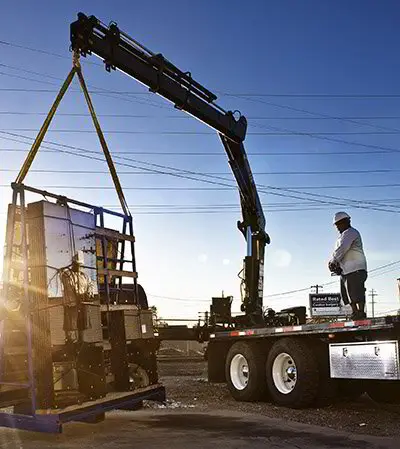
Casper has been tied to Wyoming's oil and gas industry for more than a century, and it remains a base for oilfield service companies, pipeline contractors and equipment yards serving fields across the central part of the state. That work leans heavily on boom trucks, knuckle-boom cranes and hydraulic truck cranes to move pipe, tanks, pump jacks and skid-mounted equipment.
Commercial construction, highway projects and wind energy work in the region add more demand. For local employers, Casper crane operator training usually means certifying operators who already know the equipment but need the card that proves it.
Wind Is the Daily Variable
Casper is one of the windier cities in a famously windy state, and that shapes every lift. Steady wind and sudden gusts affect how loads swing, how much capacity the crane really has, and whether a lift should happen at all. Large surface-area loads like tanks, panels and wind turbine components are especially sensitive.
Our instructors spend real time on wind: reading the manufacturer's limits, understanding how the load chart assumes calm conditions, and setting stop-work thresholds before a lift begins. Winter cold, snow and icy lease roads add to the planning, along with the long drives between remote sites.
Remote lease locations also mean the operator is often the most experienced lifting person on site. That puts a premium on confident pre-shift inspections, honest assessment of ground conditions on a freshly graded pad, and the discipline to wait out weather rather than rush a pick to get back on the road before dark.
Boom Trucks and Articulating Cranes in the Oil Patch
Many oilfield units are knuckle-boom or telescopic boom trucks rather than large cranes. Knuckle-boom operators can prepare for the NCCCO ABC, ABL and ABW exams through our articulating crane certification prep. Operators of telescopic boom trucks and hydraulic truck cranes usually fit the mobile crane prep program for TSS and TLL exams.
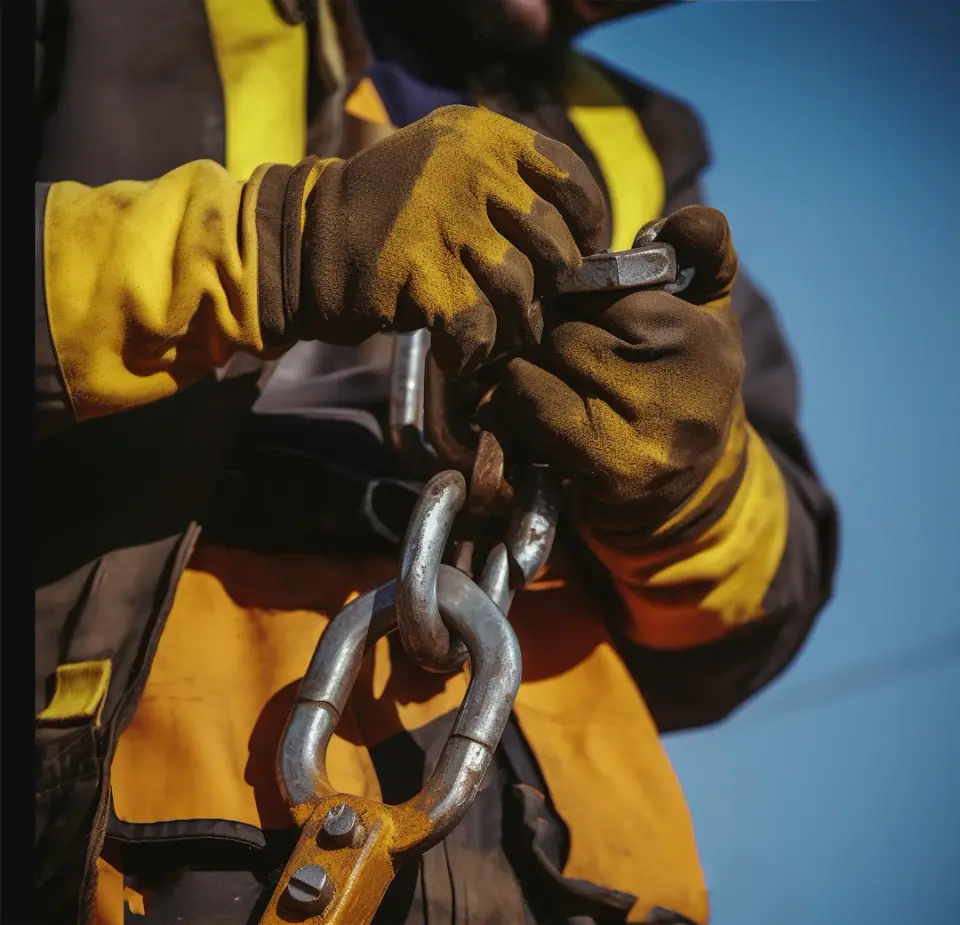
Rigging matters too. Pipe, valves and odd-shaped equipment call for good hitch selection and load control, and our rigger qualification program prepares crews for the NCCCO Rigger Level I and II exams. Read our post on knuckle boom crane certification for background.
Federal Rules Apply in Wyoming
Wyoming is not among the states commonly cited for a separate crane operator license, so federal OSHA rules govern construction crane work around Casper, including certification by crane type under 29 CFR 1926.1427. Many oil and gas companies and site owners set stricter requirements for contractors entering their locations. Our Wyoming state training page covers how we work across the state.
Bringing Training to Your Casper Yard
The Crane School does not have an office in Casper. For an employer with a group and suitable equipment, our instructors travel to your yard to run classroom review and practice, and our accredited practical examiners can schedule CCO practical exams there. Summer and early fall give the most dependable weather for outdoor testing.
Individual operators can attend open-enrollment classes at our Seffner, Florida training center, flying from Casper to Tampa International with a connection. CCO written exams are offered every month at our headquarters. Contact our office to check dates and discuss your crew's equipment. Students traveling from Wyoming should pack hard-toe boots, a hard hat, gloves, work clothes, photo ID and a valid driver's license, plus sunglasses for the Florida field days.