Knuckle Boom Crane Certification: Your Path From Operator to Certified Pro
What Makes a Knuckle Boom Crane Different
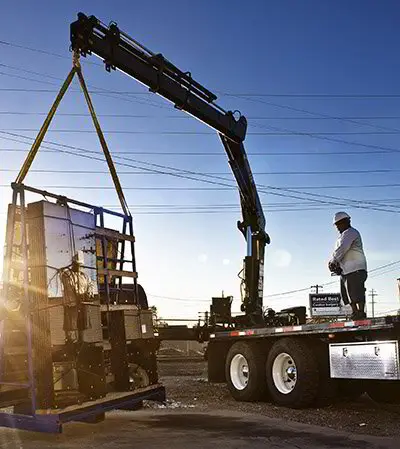
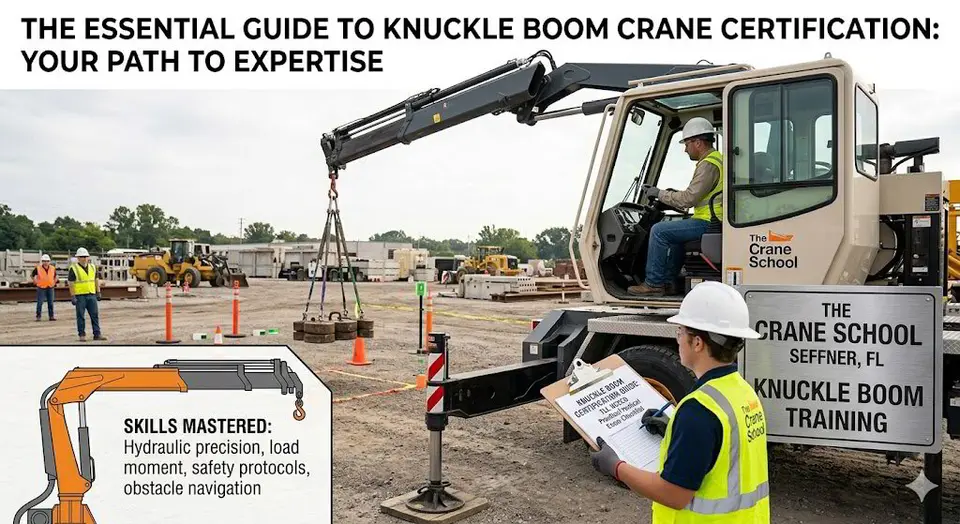
A knuckle boom crane, also called an articulating crane, has a boom made of hinged sections that fold like a finger. That design lets it reach up and over obstacles, place loads precisely in tight spaces and fold compactly behind a truck cab when stowed.
You will find them delivering drywall, roofing and block, setting HVAC units and signs, loading lumber and steel, and working in utilities and tree care. Their versatility is exactly why knuckle boom crane certification matters: the same crane can be doing very different work on different days, and the load chart changes with every configuration.
Which NCCCO Certification Fits Your Work
NCCCO certifies articulating crane operators under three designations. In general terms:
- ABC (articulating boom crane): the core designation for operators who lift and place loads with a knuckle boom.
- ABL (articulating boom loader): for cranes used mainly in loader or material-handling work, such as loading and unloading materials, often with a grapple or similar attachment.
- ABW (articulating boom crane with winch): for cranes equipped with a winch to hoist loads on a line.
Many operators hold more than one designation because their cranes do more than one kind of work. Check NCCCO's current candidate handbook for the exact definitions and exam requirements before you register.
When OSHA Requires Certification
In construction, articulating cranes fall under OSHA's cranes and derricks standard, 29 CFR 1926 Subpart CC. That means operators doing covered work must be certified under 1926.1427, by crane type, through an accredited program such as NCCCO.
There is a notable exclusion: some delivery work with articulating cranes is outside Subpart CC, for example when the crane only transfers materials from the truck to the ground without arranging them in a particular sequence for hoisting. The conditions are specific, and many deliveries do not qualify. If your operators set materials on structures, place items for installation or hoist with a winch, plan on certification. When in doubt, read the regulation text and talk to your safety department.
Even when certification is not strictly required, many general contractors require it before a crane comes on their site.
The Certification Process Step by Step
- Confirm eligibility with NCCCO's candidate policies, including age and identification requirements.
- Choose your designation(s) based on the cranes you run.
- Build experience and study. Learn your crane's load charts, setup requirements and safety devices, plus the OSHA rules that apply.
- Pass the written exam, which tests knowledge of operations, load charts, safety and regulations.
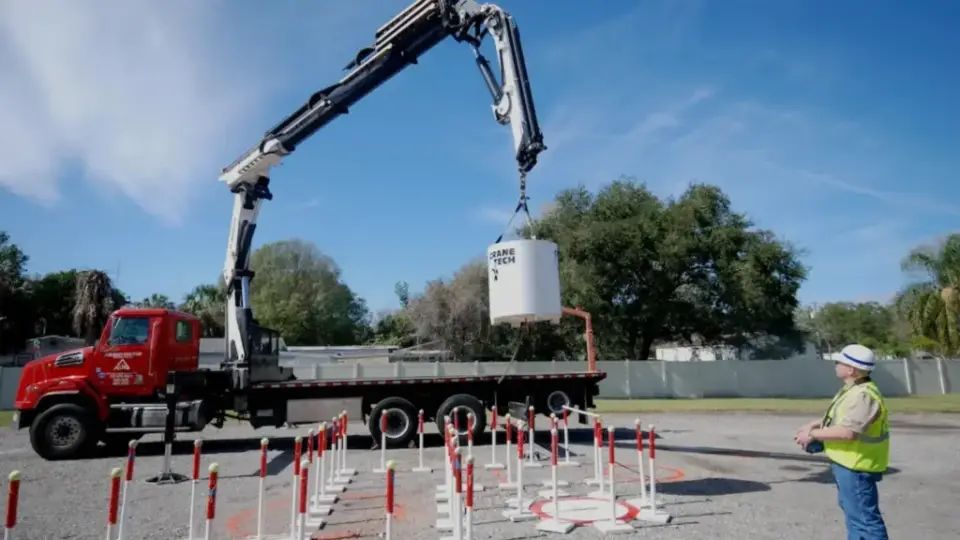
- Pass the practical exam, where an accredited practical examiner watches you set up and operate the crane through defined tasks.
- Receive your card. Certification is valid for five years.
For a detailed study plan and test-day tactics, see our articulating crane exam prep guide.
What Training Should Cover
Whether you train at a school or in-house, make sure the program covers:
- Crane components, hydraulic functions and safety devices
- Load charts for each boom configuration and attachment
- Setup: stabilizers, leveling and ground conditions
- Pre-use and frequent inspections
- Power line safety and site hazard recognition
- Rigging basics and working with a qualified signal person
- Supervised seat time on a crane similar to the one you will test on
Operators who also rig their own loads benefit from formal rigging training, such as our rigger qualification and certification program.
Benefits Beyond Compliance
For operators
A national credential travels with you, documents skills you may already have and helps when you apply for jobs that list NCCCO certification as a requirement.
For employers
Certified operators give you a consistent, independent benchmark. That helps with contractor prequalification, insurance conversations and confidence that everyone running your cranes meets the same standard.
For everyone on site
Operators who understand the chart and setup rules are less likely to overload, tip or contact power lines. That protects ground crews, the public and the equipment.
How Employers Can Support Certification
Companies that certify crews successfully tend to do a few things well:
- Schedule around the work. Plan training during slower periods and test several operators together.
- Bring training on-site so operators practice on familiar equipment and ground.
- Give practice time before the practical exam, with a mentor watching.
- Track expiration dates so recertification happens before cards lapse.
- Cover costs where possible, since certified operators benefit the company directly.
Recertification and Staying Sharp
Certification is not a one-time event. NCCCO credentials last five years, and recertification requires passing the written exam again. NCCCO's experience rules determine whether a practical exam is also needed, so keep a simple log of your operating hours.
Between renewals, keep your skills current:
- Review the load chart whenever you move to a new crane or add an attachment.
- Take part in toolbox talks on power line safety, ground conditions and weather.
- Ask for feedback from signal persons and riggers you work with.
- Refresh your knowledge when OSHA rules or manufacturer guidance change.
Operators who stay engaged usually find recertification straightforward, while those who let years pass without reviewing the basics often have to relearn material under time pressure.
Get Certified With The Crane School
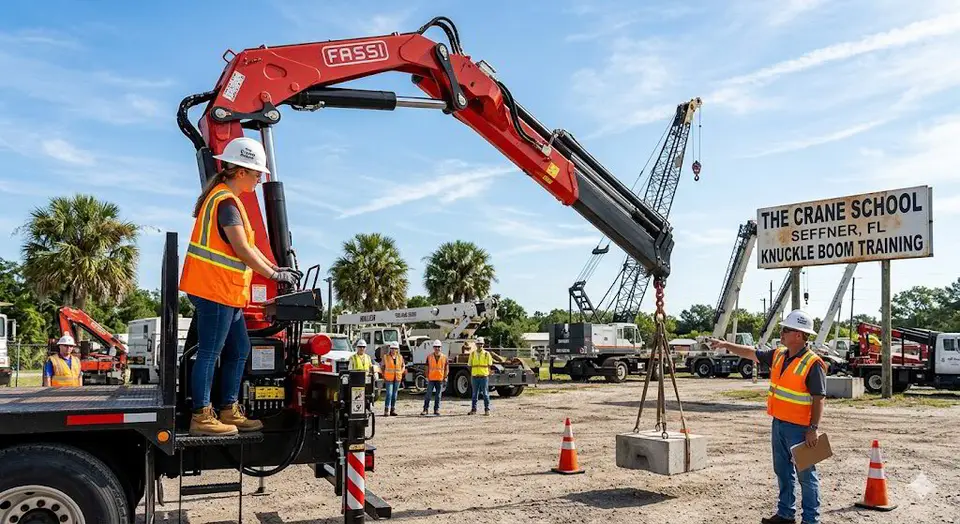
Our Articulating Crane Operator Certification Prep Program prepares operators with knuckle boom experience for the NCCCO ABC, ABL and ABW written and practical exams. Our staff includes NCCCO accredited practical examiners for articulating cranes, and we can test at our Seffner, Florida headquarters or at your site.
Run telehandlers too? Pair this credential with our Telehandler Operator Program. Contact us to plan training for one operator or a whole fleet.
FAQ
Do knuckle boom operators need NCCCO certification?
Operators doing construction work covered by OSHA 1926 Subpart CC must be certified by crane type. Some delivery-only work is excluded under specific conditions, and many contractors require certification regardless.
Can I hold ABC, ABL and ABW at the same time?
Yes. Many operators earn more than one designation because their cranes are used in different configurations. Each has its own exam requirements.
How long is knuckle boom crane certification valid?
NCCCO certifications are valid for five years. Plan to recertify in the final year before your card expires.