Top 5 Benefits of Becoming a Certified Crane Operator
Benefits of Crane Operator Certification Start With Knowing What It Is
When people weigh the benefits of crane operator certification, they often use 'training' and 'certification' as if they mean the same thing. They do not.
Training is how you learn: classroom time, seat time and coaching. Certification is independent proof that you met a national standard. NCCCO, the National Commission for the Certification of Crane Operators, is a non-profit formed in 1995 that develops and administers the exams. It does not train. Schools like The Crane School prepare you; NCCCO certifies you.
That separation is exactly why certification carries weight. Below are the five benefits that matter most in practice.
1. It Satisfies a Federal Requirement
For construction work covered by OSHA's cranes and derricks standard, operators must be certified for the type of crane they run (29 CFR 1926.1427). Since OSHA's 2018 update, certification is by crane type rather than by capacity, and employers must also evaluate operators before letting them work.
In plain terms: without the right certification, many employers simply cannot put you in the seat for construction work. A CCO card removes that barrier.
The full text of the rule is on OSHA's cranes and derricks page (opens in a new tab).
2. It Is Recognized Nationwide
A CCO certification is a national credential. Employers across the country know what TSS, TLL, LAT and the other designations mean, so you do not have to prove yourself from scratch in every new city.
Portability matters in a trade where work follows projects. If a big job opens in another region, your card goes with you. Keep in mind that some states and cities, including California, New York City and Chicago, add their own licensing on top of OSHA. Confirm current local rules before you work there.
3. It Tells Employers Exactly What You Can Run
Certification is type-specific, which is a benefit, not a limitation. It tells a hiring manager precisely which cranes you have been tested on:
- TSS: telescopic boom, fixed cab
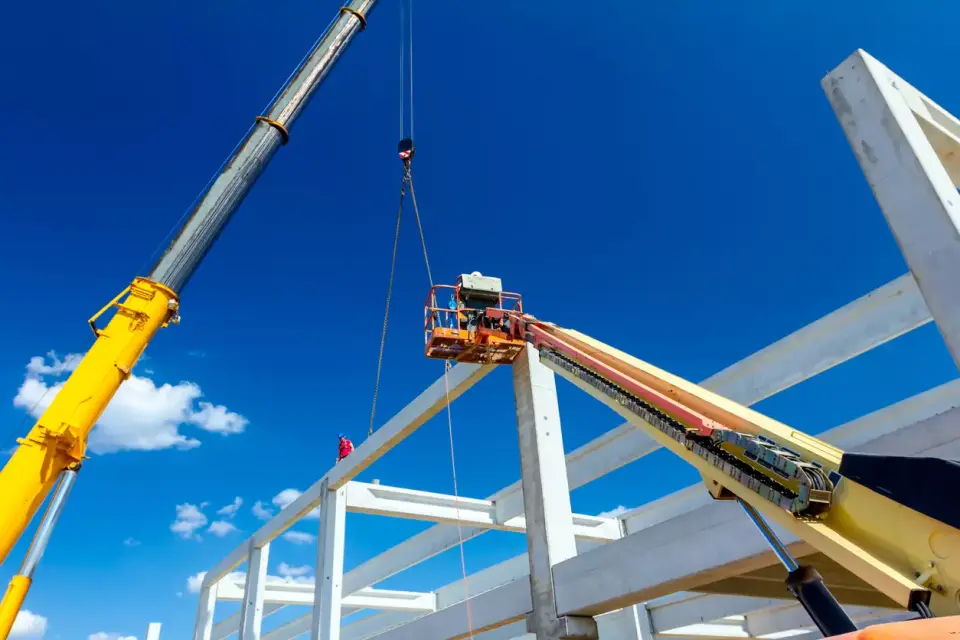
- TLL: telescopic boom, swing cab
- LAT: lattice boom crawler and truck
- ABC, ABL, ABW: articulating boom cranes
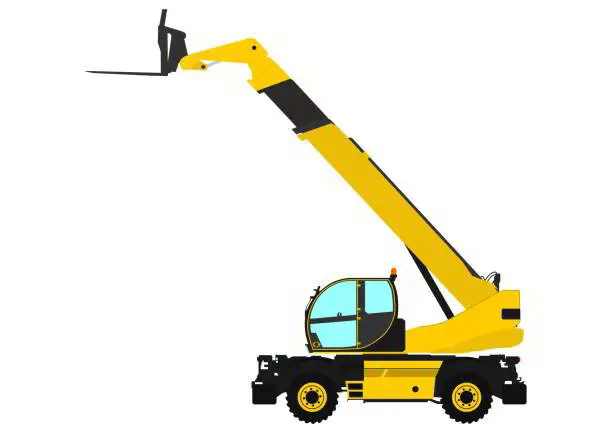
- THO: telehandler
Clear designations make hiring and scheduling faster. They also give you a simple way to show growth: each new designation is a visible step forward. See crane operator courses for career growth for how operators add them.
4. It Proves Safety Knowledge, Not Just Skill
NCCCO certification includes written exams on regulations, setup, operations and load charts, plus a practical exam on a real crane. Passing both shows you understand why the rules exist, not just how to move the controls.
That matters to the people around you. Riggers, signalpersons and supervisors work more confidently with an operator who knows the load chart, respects power line clearances and stops when conditions change. Employers also value the reduced risk that comes with documented competence.
5. It Builds a Career Ladder
Your first certification is the foundation for everything after it. Operators often add crane types, rigging and signaling credentials, then move toward lift planning, supervision, inspection or training.
Because CCO certifications are valid for five years, recertification gives you a regular checkpoint to refresh knowledge and add a new credential in the same trip. Our career progression guide maps the common stages.
How Employers Look at a CCO Card
From the hiring side, a certification answers several questions at once. Has this person met a national standard? On which crane types? When does the card expire? Employers can verify a candidate's certification status with NCCCO, which makes the credential hard to fake and easy to trust.
Certification also simplifies the employer's own obligations. OSHA requires employers to make sure operators are certified and to evaluate them on the equipment they will use. Starting with a certified candidate means the employer's evaluation can focus on its specific machines and work, rather than on basic competence.
Finally, many project owners and general contractors require proof of certification before a crane goes to work on their site. An operator with current cards can be put on those jobs without delay. When work is competitive, that readiness is an advantage.
For your part, keep copies of your cards handy, know your expiration dates and be ready to describe the equipment and configurations you have run. That combination tells an employer you take the credential seriously.
What Certification Does Not Do
Being clear about limits helps you set the right expectations.
- It does not replace employer evaluation. Employers must still evaluate you on the equipment you will use.
- It does not guarantee a job. It removes a major barrier, but hiring also depends on local demand, attitude and experience.
- It does not last forever. Plan to recertify before your card expires.
- It does not cover every crane. You need separate certifications for different types.
- It does not set your pay. For wage information, see U.S. Bureau of Labor Statistics data for crane and tower operators.
How to Get Certified
- Pick the crane types your target employers use.
- Choose training that matches your experience. Beginners start with the initial mobile crane operator training program; experienced operators can use the four-day certification prep program.
- Pass the written and practical exams. At The Crane School, written exams are offered monthly in Seffner, Florida, and practical exams can be scheduled nationwide.
- Watch for your card. Cards typically arrive a few weeks after you pass.
Questions about which certification to start with? Contact The Crane School.
FAQ
Is NCCCO certification required by law?
For construction work under OSHA's 29 CFR 1926 Subpart CC, operators must be certified for the crane type they run. NCCCO is a widely recognized way to meet that requirement.
How long is a CCO certification valid?
Five years. Recertification adds another five years, and it is wise to start the process in the final year.
Does The Crane School issue certifications?
No. The Crane School trains and prepares candidates; NCCCO issues certifications to those who pass its exams.