How Certification Rules Apply on Alaska Sites
Alaska enforces workplace safety through its own state plan, Alaska Occupational Safety and Health (AKOSH). State plans must be at least as effective as federal OSHA, and for cranes that means the requirements of OSHA 1926 Subpart CC — including operator certification under 1926.1427 — set the baseline for construction work. If you are unsure whether a particular state amendment applies to your project, check with AKOSH directly.
For most operators, the answer is simple: earn an accredited certification for the crane type you run. NCCCO's CCO program is widely accepted on Alaska projects. The Crane School does not issue cards; we prepare you to pass the NCCCO written and practical exams, and NCCCO issues the certification.
Lifting in Cold, Remote and Short-Season Conditions
Alaska crane work tends to cluster around a few industries: oil and gas operations on the North Slope, pipeline maintenance, port and dock work in coastal towns, fishing and seafood processing facilities, mining, and public infrastructure. Organizations we have trained for include Alyeska Pipeline Service Company.
What sets Alaska apart is the environment. Cold affects hydraulic oil, wire rope and steel. Frozen or thawing ground changes how outriggers and mats behave. Daylight swings wildly between seasons, and many sites are reachable only by air or barge. Those conditions make a strong case for training on your own equipment, in your own setting, before the busy season starts. Our crane safety tips for extreme weather are a useful primer.
Bringing Training North Versus Flying South
For most Alaska employers, on-site crane training is the more efficient choice. We travel to your shop, camp or yard, teach to the equipment you run, and our NCCCO Accredited Practical Examiners can administer CCO practical exams at your location. That avoids sending several workers out of state at once, which is expensive from anywhere in Alaska.
The other route is open enrollment at our training center in Seffner, Florida, near Tampa. Some Alaska operators use their off-season to fly south for a multi-week program or the monthly certification weekend; written exams are held every month at the Seffner headquarters. If you go this way, plan the trip around the class schedule and book lodging early.
Choosing a Program for Alaska Crews
Seasoned hands who never certified
Operators with years on the North Slope or in a port often only need exam preparation. The mobile crane certification prep program covers TSS, TLL and LAT exams in a four-day format.
Village and utility boom trucks
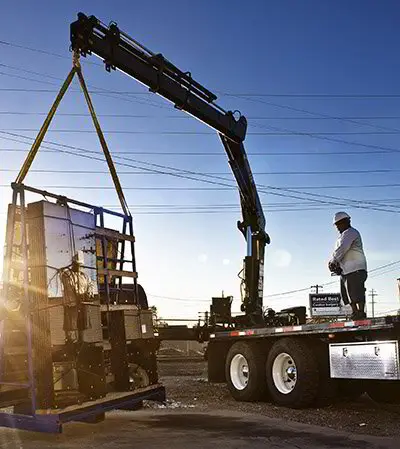
Remote communities and utilities rely heavily on truck-mounted articulating cranes. Those operators belong in the articulating crane operator certification prep, which prepares for NCCCO ABC, ABL and ABW exams.
The ground crew
On a remote site, the rigger and signalperson are often the same person. Rigger Level I and signalperson training can be added to an on-site visit so the whole lift team is covered.
Getting Exam Day Right When the Nearest Test Site Is a Flight Away
In the Lower 48, a failed practical exam usually means a short drive back for a retest. In Alaska, a retest can mean another flight, another hotel and another week off the job. That is why preparation matters more here than almost anywhere.
When we train on-site, we set up a practice course on your own ground that mirrors what the NCCCO practical exam asks for, so your operators rehearse the actual tasks before the examiner arrives. We also check in advance that the crane you plan to test on is suitable for the exam and that the setup area meets the requirements. Those details sound small, but sorting them out ahead of time keeps a remote exam day from turning into a wasted trip.
It also helps to schedule the written exams and the practical exams close together. Operators who study the load chart material and then test while it is fresh tend to be more comfortable than those who split the two months apart.
Career Outlook for Alaska Operators
Alaska work is seasonal for many crews, and operators who hold multiple credentials tend to stay busier across the year. Adding lattice boom, rigging or telehandler certification widens the range of jobs you can take.
For wage figures, use the U.S. Bureau of Labor Statistics Occupational Employment and Wage Statistics for crane and tower operators (53-7021), which publishes state-level data. Our crane operator career progression guide outlines typical next steps. Remember that NCCCO certifications last five years; with Alaska's seasonal schedule, plan recertification during a slow stretch in your final year.