A Capital City Reached by Air and Water
Juneau has no road connection to the rest of North America. Equipment, building materials and supplies arrive by barge or plane, and cranes play a central role in getting them off the water and onto job sites. Busy cruise ship docks, marine construction, state government buildings and mining activity in the region all depend on operators who can work on tight waterfronts and steep hillsides.
The Crane School offers NCCCO crane operator training for Juneau employers by traveling to them or welcoming their workers in Seffner, Florida, our only training location. We do not have a Juneau office.
Rain, Wind and Tight Waterfront Sites
Southeast Alaska is one of the wettest parts of the country, and strong winter winds can sweep down through the Gastineau Channel. Slick decks, soft ground on fill, tidal changes and limited laydown space make planning every lift important. Barge-mounted and dock-side lifts add the complication of a moving platform or a load swinging out over water.
Operators preparing for certification here benefit from extra attention to load charts, wind limits and communication with the crew below. Clear, standard signals become critical when the operator cannot see the hook over a vessel's side, which is why the signalperson certification program is a common add-on for dock teams.
Cruise season adds pressure of its own. Dock repairs, gangway work and waterfront construction often have to be finished before ships arrive in spring, so crews may be lifting in cold rain and short daylight. Certified operators who know their limits help keep those compressed schedules from turning into shortcuts.
Choosing a Program for Southeast Alaska Crews
Operators
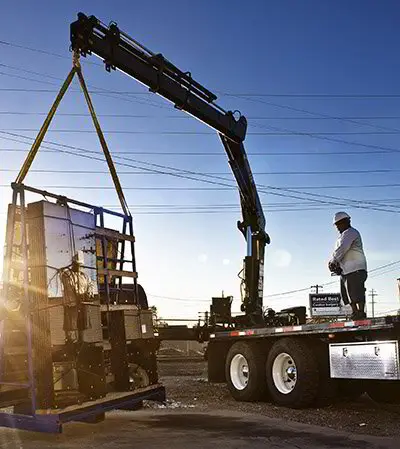
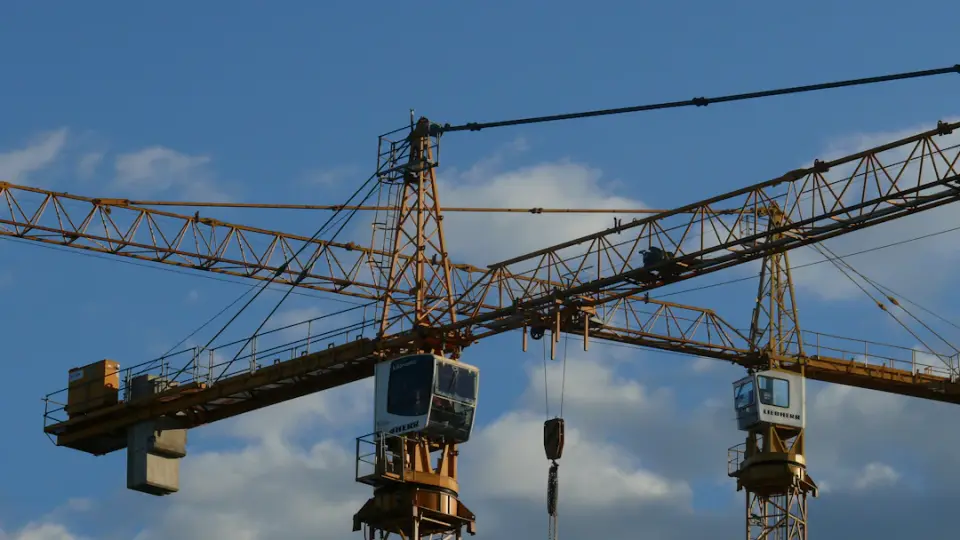
Experienced telescopic and lattice boom operators prepare for NCCCO TSS, TLL and LAT exams through mobile crane certification prep. Delivery trucks with knuckle booms are common for moving materials around town, and those operators can test for ABC, ABL or ABW credentials through articulating crane prep.
Ground crews
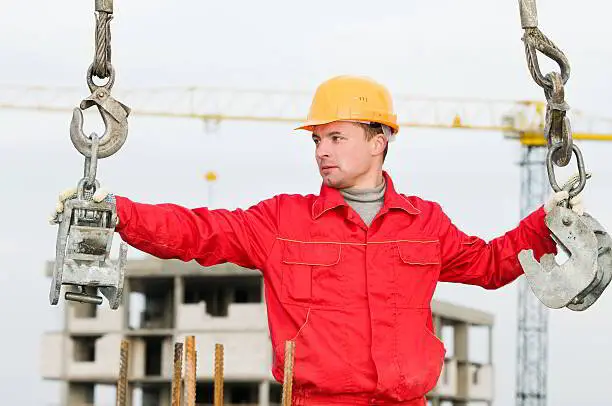
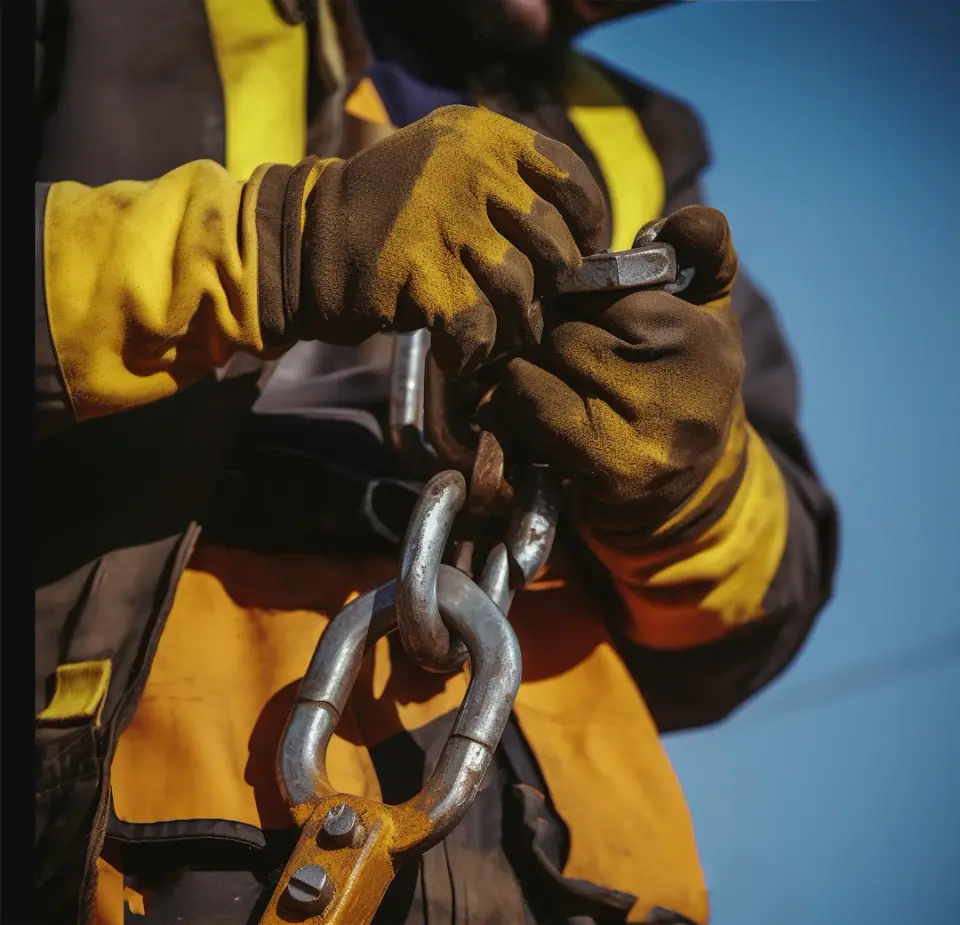
Riggers handling marine freight and modules can work toward NCCCO Rigger Level I or II. Supervisors who plan lifts for public or commercial projects may benefit from the Managing Crane Safety class.
Our article on knuckle boom certification offers more background for articulating crane operators.
How Training Reaches Juneau
Since getting anywhere from Juneau means flying, on-site training often makes the most sense for employers with several candidates. Our instructors bring classroom materials, and accredited examiners schedule practical exams on your equipment if a suitable test area is available. Shared training across two or three local employers can make a visit more efficient; ask us about combining groups.
Because equipment and examiners both have to reach the island, give us as much lead time as you can. Let us know which crane types your candidates run, the capacity of the machines available for testing, and whether the test area is paved, gravel or dock surface. That information helps us plan a visit that does not stall halfway through for lack of a suitable machine.
If you want to train in Florida, fly from Juneau, typically through Seattle, into Tampa International, then drive east to Seffner. Written exams are held monthly at our headquarters, and the class calendar lists current openings.
Licensing in Alaska
Alaska has no state crane operator license; OSHA's crane standard for construction applies, including the certification requirement in 29 CFR 1926.1427. Port authorities, cruise lines and agencies may add their own requirements. Our Alaska crane certification page summarizes statewide options.