Mobile Crane Operator Certification Requirements by Crane Type
Certification Follows the Crane
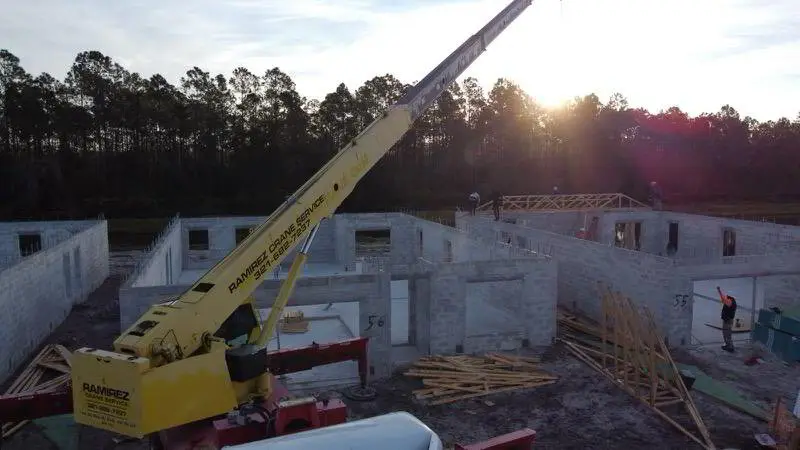
Mobile cranes look similar from a distance, but they behave very differently in the seat. A truck-mounted telescopic crane with the controls in the carrier cab, a rough-terrain crane with a rotating upper cab, and a lattice boom crawler each have their own setup steps, load charts and handling quirks.
That is why mobile crane operator certification requirements are built around crane type. Under OSHA 1926.1427, operators in construction must be certified for the type of crane they run. NCCCO meets that requirement with separate designations, each earned by passing a specialty written exam and a practical exam on that type.
For the general regulatory picture, including who must be certified and what employers must do, see our article on crane operator certification requirements under OSHA. This post stays focused on the mobile designations themselves.
The Written Exam Structure
For mobile cranes, NCCCO's written testing has two layers:
- The core exam. Every mobile crane candidate takes it once. It covers site preparation, operations, technical knowledge, signals and load chart fundamentals.
- Specialty exams. One for each crane type you want. Each specialty exam works heavily with load charts for that kind of crane.
You must pass the core plus at least one specialty to earn a designation, and you add more specialties as needed. Check NCCCO's current candidate handbook for exact question counts, time limits and passing rules, since those details are updated periodically.
Telescopic Boom, Fixed Cab (TSS)
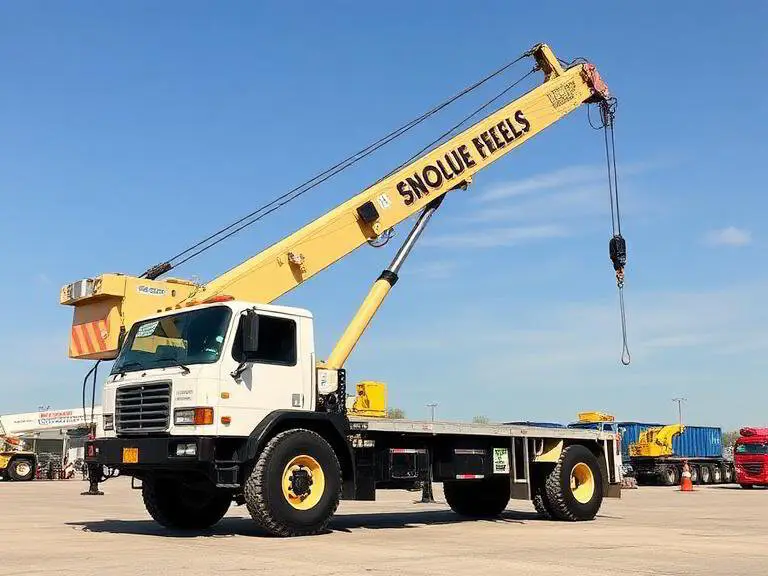
TSS covers telescopic boom cranes operated from a cab that does not rotate with the upper works. Typical examples are boom trucks and other carrier-mounted cranes where the operator works from a fixed station.
Who usually needs it
Sign installers, HVAC and rooftop equipment crews, utility contractors, material suppliers and anyone running boom-truck-style telescopic cranes.
Practical exam focus
Smooth, coordinated control from a fixed position, accurate placement, and correct response to signals. Because the operator does not swing with the load, depth perception and line of sight take extra attention.
Telescopic Boom, Swing Cab (TLL)
TLL covers telescopic boom cranes where the operator's cab rotates with the upper structure. Rough-terrain, all-terrain and many truck cranes fall here.
Who usually needs it
General contractors, steel and precast erectors, crane rental companies, industrial plants and infrastructure crews.
Practical exam focus
Setting up correctly, controlling swing so the load does not drift, and putting the load exactly where it belongs on the first try. Operators who already run fixed-cab cranes often find the swing-cab feel takes some adjustment.
Many operators test for both TSS and TLL at the same time, since the written material overlaps and employers often run both styles.
Lattice Boom Cranes
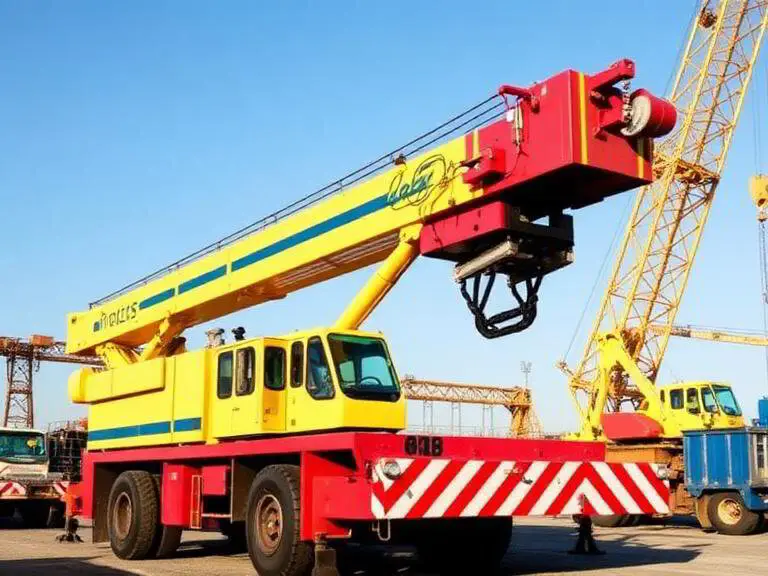
Lattice boom cranes, on crawlers or trucks, handle many of the heaviest and highest lifts. They involve assembly and disassembly, more complex rigging of the boom itself, and load charts that depend on boom and jib configuration. NCCCO offers lattice boom specialty written exams and a lattice boom (LAT) practical exam.
Who usually needs it
Operators on large commercial, industrial, energy, bridge and marine projects, and anyone aiming at bigger cranes later in their career.
Training considerations
Lattice boom handling is less forgiving for beginners, and practice time costs more. At The Crane School, the 5-week initial mobile crane program adds lattice boom and the LAT exams on top of the telescopic training, and we offer a 4-week lattice crane class as well.
Choosing Your Designations
Use these questions to decide:
- What do target employers run? Look at job postings and ask operators in your area.
- What can you realistically practice on? Testing on a crane type you have barely touched is a recipe for a failed practical.
- Where is your career headed? If you plan to move to larger cranes, lattice certification opens those doors sooner.
- What does it cost to add one later? Adding a specialty means another exam, and often another trip. Doubling up while you are prepared usually saves money.
Experienced operators can earn TSS, TLL and LAT designations through our monthly mobile crane certification prep program, which runs Friday through Monday with practicals on Friday and written exams Monday morning.
Managing Several Designations Over Time
Once you hold more than one designation, keep an eye on how their dates line up. Designations earned at the same session usually expire together, which makes recertification simple: one prep class and one round of specialty exams. Designations added later run on their own clocks unless you align them when you recertify.
Keep a running log of hours by crane type. If you hold TSS, TLL and lattice designations but spend most of your time on one of them, your documented experience may cover that type at renewal while another type needs a practical retest. Knowing that a year in advance lets you book hourly practice time instead of walking into an exam rusty.
Other Requirements That Apply to Every Designation
No matter which mobile designations you choose, you must:
- Be at least 18 and meet NCCCO medical and substance abuse policies.
- Pass the written and practical exams within NCCCO's time window.
- Complete employer evaluation on the specific crane before running it on the job.
- Recertify every five years.
If you work in a state or city with its own crane operator licensing, add that agency's requirements too.
Not sure which combination fits your background? Look over the class schedule or call us at (813) 402-2017 and describe the cranes you run or want to run. We will point you to the right designations.
FAQ
Can I take the TSS and TLL exams during the same session?
Yes. Many candidates take both specialty written exams and both practicals in one session because the core knowledge overlaps.
Does TLL certification cover a fixed-cab boom truck?
No. Fixed-cab and swing-cab telescopic cranes are separate designations, so you need TSS for fixed-cab equipment.
Is lattice boom certification harder to earn?
Lattice cranes involve more complex configurations and load charts, and practice time is more expensive, so most candidates need more preparation for LAT than for telescopic designations.
Is certification still tied to crane capacity?
OSHA no longer requires certification by capacity. Certification must match the crane type.