Top Safety Training Programs for New Crane Operators
Start With the Right Program
New operators often ask the same question: where do I begin? The answer depends on your experience, the equipment you want to run and the work available near you. The good news is that every path below builds the same safety foundation: inspections, load awareness, communication and respect for the hazards of lifting.
This guide focuses on safety training programs for new crane operators and people entering lifting work. If you are already certified and looking for refresher or advanced training, see our companion post on crane safety refresher training for experienced operators and supervisors.
Why Safety Training Comes First
Federal OSHA rules for construction (29 CFR 1926.1427) require crane operators to be certified or qualified for the crane type they operate, and signal persons and riggers must meet their own qualification requirements. Employers rely on formal training and NCCCO (National Commission for the Certification of Crane Operators) certification to meet those rules.
Beyond compliance, starting with structured training means you learn correct habits from day one instead of unlearning shortcuts later.
Program 1: Initial Mobile Crane Operator Training
Best for: people with little or no crane experience who want to become mobile crane operators.
Mobile cranes are among the most common cranes on construction sites. The Crane School's Initial Mobile Crane Operator Training Program comes in two formats:
- 3-week program: telescopic boom cranes, preparing for NCCCO TSS and TLL written and practical exams
- 5-week program: telescopic and lattice boom cranes, preparing for TSS, TLL and LAT exams
What you will learn
- Crane components, controls and operator aids
- Pre-shift inspections
- Setup, ground conditions and outriggers
- Load charts and capacity calculations
- Hand signals and communication
- Power line safety and emergency procedures
- Practical exam tasks on real cranes
Classes run full time, Monday through Thursday, 7:00 AM to 4:00 PM.
Program 2: Rigger Qualification and Certification
Best for: new workers who will attach and inspect loads, and future operators who want to understand rigging.
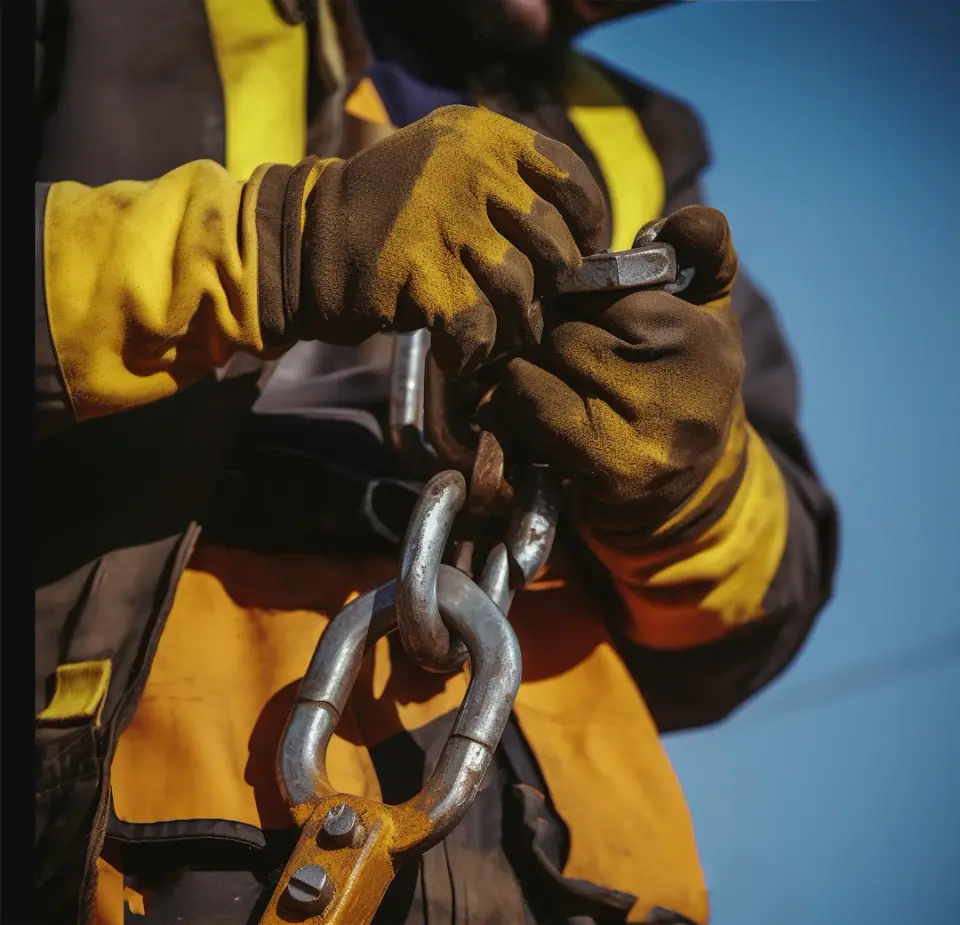
Riggers select slings and hardware, calculate sling loads and inspect gear. The rigger qualification and certification program covers Rigger Level I and Level II and prepares candidates for NCCCO Rigger written and practical exams. It also supports a company's own rigger qualification process under OSHA 1926 Subpart CC.
Rigging is a common first step into lifting work, and the knowledge makes future operators safer.
Program 3: Signalperson Qualification and Certification
Best for: ground crew who direct lifts, and anyone who wants to work closely with crane operators.
Signalpersons guide the operator when the load or its path is not in clear view. Training covers standard hand signals, voice signals and the responsibilities of the role. The signalperson program prepares candidates for NCCCO Signalperson written and practical exams.
Program 4: Telehandler Operator Training
Best for: workers on construction and industrial sites where telehandlers move materials.
Telehandlers combine forklift and boom functions, and they have their own stability and load chart rules. The telehandler operator program prepares candidates for NCCCO THO written and practical exams, for certification or recertification.
Program 5: Articulating Crane Certification Prep
Best for: people who already have some experience with knuckle boom cranes, often used for material delivery and utility work.
The articulating crane program prepares candidates for NCCCO ABC, ABL and ABW exams. Because it is a certification prep program, it works best once you have some seat time on articulating equipment.
Choosing Your First Program
Ask yourself:
- What equipment do employers in my area use most? Look at job postings and talk to contractors.
- How much experience do I have? If none, start with a structured program that includes plenty of seat time.
- What is my budget and schedule? Shorter rigger or signalperson courses can get you onto a crew sooner.
- What is my long-term goal? If you want to run large cranes, plan for lattice boom training down the road.
For tips on comparing schools, read how to spot a safety-focused crane training program.
What to Expect in Your First Weeks
New students are often surprised by how much classroom time goes into load charts and regulations before the hands-on work feels natural. Expect to:
- Bring hard-toe footwear, a hard hat, work clothing, gloves and sunglasses for the field
- Bring a government-issued photo ID and a driver's license in good standing
- Study load charts in the evenings
- Practice inspections until they become routine
- Make mistakes on the training yard, where they are safe to make
Training materials and handouts are provided.
From Training to Your First Job
Certification opens the door, but your first months on a crew shape the operator you become. A few habits help new operators make the jump safely:
- Ask for a mentor. Most experienced operators remember their own start and are willing to help a new hand who listens.
- Learn the site before the crane. Walk the job, find the power lines, note the soft ground and learn who the signalpersons are.
- Read the manual for every machine. Your certification covers a crane type, but each model has its own charts, controls and quirks. Your employer should also evaluate and familiarize you on the specific equipment.
- Keep your inspection habits sharp. New operators sometimes feel pressure to skip steps to look fast. Do not.
- Speak up. If something does not look right, stop and ask. OSHA gives operators the authority to refuse a lift until safety is assured.
Begin Your Crane Career Safely
The right first program builds habits you will use for your whole career. Review upcoming dates on the class schedule or contact The Crane School to talk about which program fits you.
FAQ
What certification should a new crane operator get first?
Many new operators start with NCCCO telescopic boom certifications (TSS and TLL). Others begin with rigger or signalperson credentials to get onto a lifting crew sooner.
Can I enroll in crane training with no experience?
Yes. The Initial Mobile Crane Operator Training Program is designed for people with little or no experience. Certification prep programs are intended for those who already have seat time.
Do I need a CDL to become a crane operator?
A CDL is not required to operate a crane, though some employers require one if you will drive a crane on public roads.