
Denver's Crane-Heavy Construction Market
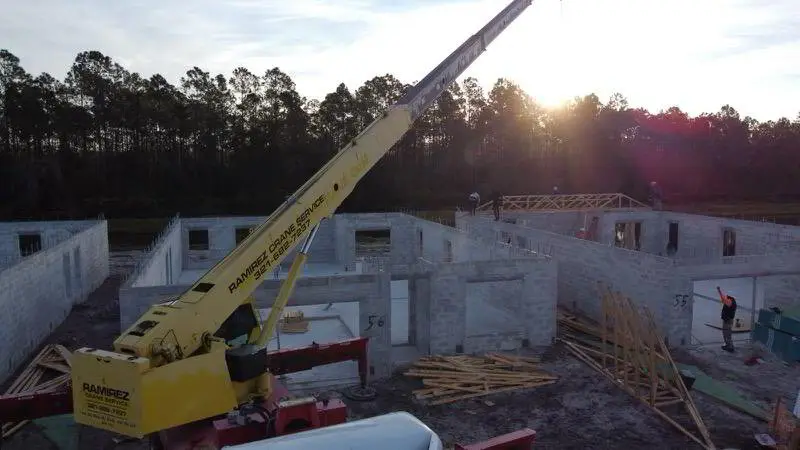
Few Mountain West metros have kept tower and mobile cranes as busy, for as long, as Denver. Apartment and office towers, hospital campuses, stadium-area redevelopment, light rail and highway projects, and the steady expansion of Denver International Airport all keep cranes working across the metro. On these jobs it's normal for the GC or owner to check that the operator, the rigger and the signalperson all carry current credentials before anything leaves the ground.
We deliver crane operator training in Denver even though our only campus is in Florida. From our Seffner base, we either fly instructors and NCCCO accredited practical examiners out to a Colorado employer's site, or seat that employer's operators in one of our open classes back home.
Mile-High Weather Changes Quickly
At 5,280 feet, Denver sees sharp weather swings. A spring morning can start sunny and end in heavy, wet snow; summer afternoons bring thunderstorms with lightning, hail and strong outflow winds; and winter chinook winds can gust hard along the Front Range. Thin, dry air also adds to fatigue and dehydration for crews working long shifts.
A good lift plan earns its keep at this elevation. Keep an eye on the anemometer all shift, respect the wind ceiling in the manufacturer's chart, and shut down once lightning moves in. Ground that froze overnight can soften by afternoon. Our post on running cranes when the weather turns goes further into these calls.
Programs That Fit Denver Crews
Operators
Seasoned hands going after TSS, TLL or LAT should look at the monthly mobile crane prep weekend. Practicals open the session on Friday; after two classroom days, the written tests wrap things up Monday morning.
Riggers and signalpersons
Denver's dense infill sites make rigger and signalperson certification just as important as operator credentials. Our rigging course targets the NCCCO Rigger Level I and II exams, while the signalperson course drills the standard hand and voice signals.
Supervisors
PMs who sign off on lift plans fit best in Managing Crane Safety, where the topics are planning, inspections, regulatory compliance and keeping liability in check.
Because many Denver projects are built on tight urban lots next to occupied buildings and active streets, owners increasingly expect every person involved in a lift to hold a current credential. Certifying the full team at once also simplifies tracking expiration dates.
Your Yard or Ours
When a Denver contractor has a handful of people to certify, bringing us to them tends to win. Classroom sessions happen in your own conference or break room, and the practicals run on your cranes as long as the yard satisfies NCCCO's test-site rules. Spring and fall typically give the most predictable conditions for outdoor practicals in the metro.
Solo students usually book DEN to Tampa International and then make the short drive east to Seffner. Written CCO tests are given at our Seffner headquarters every month. See which sessions still have room on the training calendar, and mention you'd like the discounted room near the Tampa fairgrounds.
Denver also draws traveling operators for large projects. When you hire from out of state, check that each traveler's NCCCO card actually lists the crane types sitting on your job. Our staff can arrange additional exams if someone needs a certification for a machine they have not tested on before.
Colorado's Regulatory Picture
There's no state-issued crane operator license in Colorado. On construction work, federal OSHA sets the bar; 29 CFR 1926.1427 is the section that ties operator certification to crane type. Expect some owners, municipalities and GCs to go further, which is why the project specs deserve a close read. Options elsewhere in the state are laid out on our Colorado overview.