Lifting at the scale of a major metro
Atlanta is the Southeast's largest metro area, and the cranes on its skyline reflect it. Office and residential towers rise in Midtown, Buckhead and downtown; warehouses and distribution centers spread along I-75, I-85 and I-20; and hospitals, stadiums and transit projects add a steady stream of complex lifts. Around Hartsfield-Jackson, one of the world's busiest airports, logistics and airfield work keep equipment busy too.
We back that workload with crane operator training for Atlanta companies and for individual operators alike. Since all of our own classrooms and cranes sit in Seffner, Florida, the choice is simple: our instructors visit your metro facility, or you make the trip south.
Bringing crane operator training to Atlanta crews
When a GC, crane rental outfit or plant has a group needing certification, it generally costs less time to bring us to them. Classroom work happens in your own break room or training space, and our NCCCO Accredited Practical Examiners test candidates on the machines in your fleet.
We can combine programs in one visit:
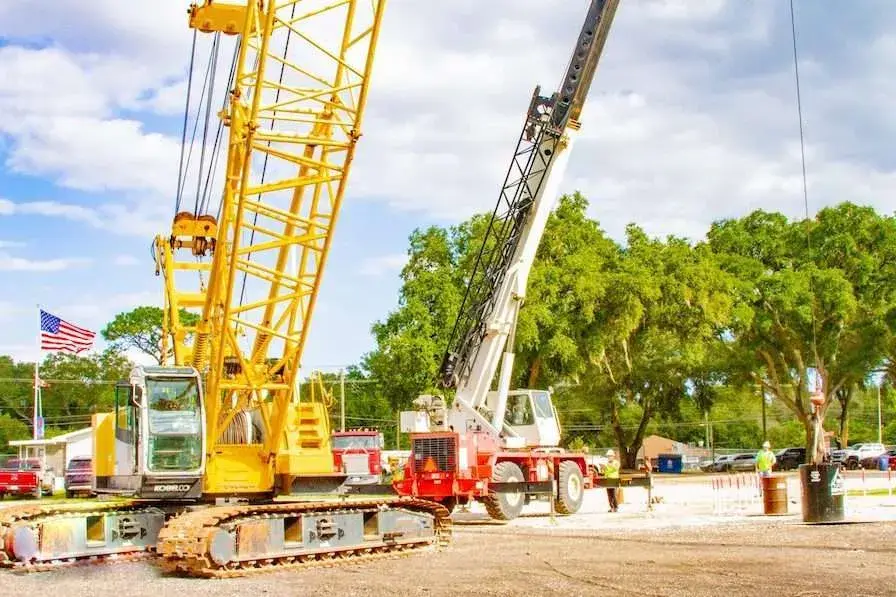
- Operators of hydraulic or lattice machines working toward TSS, TLL or LAT in our NCCCO mobile crane prep
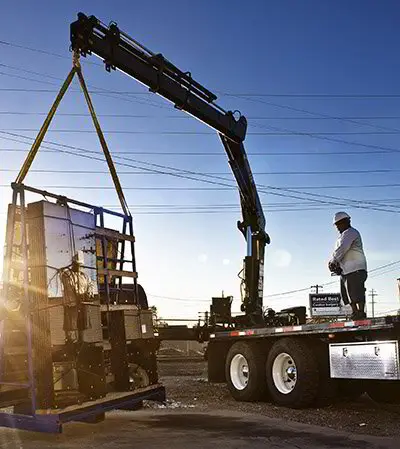
- Knuckle-boom operators who deliver building materials around the metro, through articulating crane certification prep
- Riggers and signalpersons who work alongside them
- Managers and supers enrolled in Managing Crane Safety
Scheduling around project milestones is part of the planning conversation.
Rental and crane-service companies in the metro often have operators moving between very different machines in the same week. On-site training lets us look at your actual fleet and help each operator target the right exams, rather than guessing which certifications they need. It also gives newer operators a chance to ask questions about the specific cranes they will be running on Monday morning.
Traffic, tight sites and Southern weather
Atlanta's traffic is famous, and it affects crane work in practical ways: limited delivery windows, lane closures for setup, and assembly crews working under time pressure. Squeezing a crane into an older in-town neighborhood usually means energized lines overhead and little room to swing, which puts OSHA 1926.1408 on the table again and again.
Weather adds another layer. July and August bring sticky heat and afternoon storms, and once in a while an ice storm closes jobs in winter. Our instructors cover heat stress, lightning and wind procedures, and cold-weather inspections so operators are ready for both ends of the year. Our post on handling emergency situations is a good companion read.
Georgia follows federal OSHA rules
You won't usually see Georgia named among states running a separate crane licensing program. Crane work there falls under federal OSHA, meaning 29 CFR 1926 Subpart CC and the certification rule in 1926.1427. Big metro projects often go further, with owners or GCs spelling out required certifications or written lift plans in the contract, so read it closely. Our Georgia crane training page covers training options statewide.
Holding a CCO card doesn't finish the job. Employers are also on the hook under OSHA to evaluate each operator on the specific machine, and plenty of local contractors keep a separate record of that check. Our instructors can talk through how training, certification and evaluation fit together for your crew.
Training in Florida
Individuals can take open-enrollment classes in Seffner. It's a quick hop from Hartsfield-Jackson to Tampa International, though some students prefer the I-75 drive. Beginners sign up for a full-time initial course lasting three or five weeks; operators with hours already come for the Friday-to-Monday prep session held each month. Upcoming sessions are posted on the 2026 calendar, and our office staff can answer anything else.