How Crane Certification Works in Georgia
Operator credentialing in Georgia is handled entirely at the federal level. OSHA's federal program covers the state's private employers, and the rule written for construction cranes is 29 CFR 1926 Subpart CC. Section 1926.1427 adds two layers: a certification from an accredited testing body that matches the crane type, plus an employer evaluation on the actual machine.
Day to day, Georgia crane operator certification comes down to getting through NCCCO's written and hands-on tests. We handle the preparation, while scoring and the card itself come from NCCCO. On big Atlanta jobs, GCs often go past the legal floor and want certified riggers and signalpersons as well, so find out what the project expects before your first day.
From the Port of Savannah to Metro Atlanta
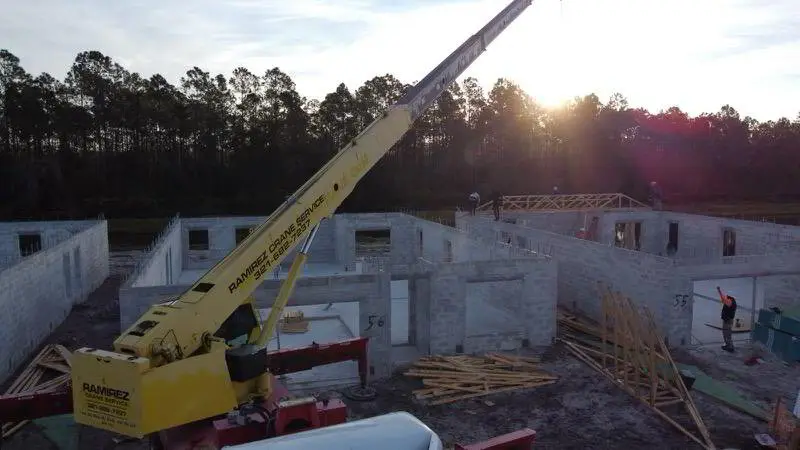
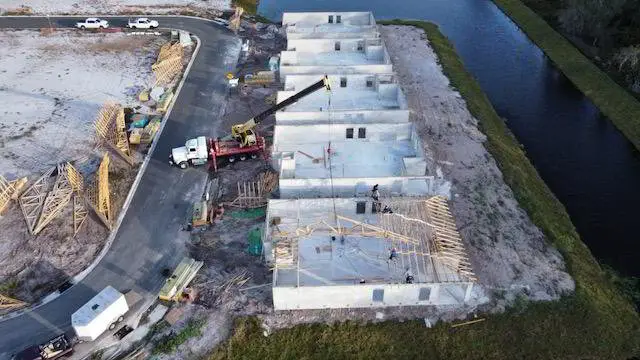
Georgia's crane demand comes from a mix of logistics, construction and manufacturing. Savannah's port ranks among the nation's busiest for containers, and terminal jobs there lean hard on heavy-lift and rigging know-how. Georgia's big distribution warehouses frequently go up as tilt-up concrete, with each panel stood into place by a mobile crane on a planned pick.
Tower and mobile cranes stay busy on metro Atlanta's offices and housing, and factories, power plants and utility crews carry lifting work out to the state's smaller cities. Timber and paper mills in south Georgia add industrial maintenance lifts to the mix.
A Short Drive or a Site Visit
Georgia operators have an advantage: our campus is within driving distance. Our one and only training center sits in Seffner, Florida, just past Tampa — and I-75 will take you there straight from Atlanta. Open classes follow a posted calendar, and the Seffner headquarters hosts NCCCO written testing monthly. Check the schedule calendar before you plan the drive.
Companies have a second option: on-site training. We send instructors to your Georgia yard or job, teach on your own cranes, and have our NCCCO Accredited Practical Examiners run the practicals there. When a handful of operators need cards at the same time, this tends to be the better fit.
For a Georgia student, the drive also means you can bring your own gear and avoid airfare. Students staying overnight can ask about the lodging rate our staff has arranged with a nearby hotel. We supply the training materials. You supply a hard hat, hard-toe boots, gloves, sunglasses and work clothes, plus a driver's license in good standing and government photo ID.
Choosing the Right Georgia Program
Already running cranes
Operators with genuine hours on a crane and no card yet are exactly who our certification prep course for mobile cranes was built for. One Friday-to-Monday stretch a month covers the TSS, TLL and LAT exams, written and practical. It also works for recertification.
Starting from zero
Coming from another line of work? Start with our beginner mobile crane course, offered in 3-week and 5-week lengths. Choosing five weeks brings in lattice boom machines and the LAT exam.
On the ground
Warehouse builders and port crews rely on qualified riggers and signalpersons. Any of these can ride along with an on-site visit, or you can attend them in Seffner.
Superintendents and plant managers who own a crane program have the Managing Crane Safety Class, which views OSHA compliance, planning lifts and inspections through the employer's eyes.
Tilt-Up Panels and Other Georgia Lifts Worth Training For
Tilt-up construction is a good example of why certification prep should match the job. Each panel is lifted from a casting bed, rotated upright and set in place, often by an operator working with a rigging crew and a signalperson. Mistakes in rigging, communication or ground support show up quickly.
At a Georgia contractor's site, practice time can center on the lifts your crew does most, without skipping anything NCCCO will test. The certification process stays the same, but the practice time is spent where it helps your people most.
Career Directions for Georgia Operators
A common path in Georgia begins on a small hydraulic crane and leads toward bigger machines, lattice booms or planning lifts. For riggers and signalpersons, those cards are frequently the first rung toward the operator's seat. Our piece on what crane operators contribute to construction gives a wider view of the trade.
For wage figures in Georgia and its metro areas, see the U.S. Bureau of Labor Statistics Occupational Employment and Wage Statistics for crane and tower operators (53-7021). Five years is the life of a card; schedule renewal for its last twelve months.
Port, warehouse and high-rise work each reward different strengths, so think about which corner of Georgia's market you want to grow into and pick your next credential accordingly.