Containers, warehouses and cranes everywhere
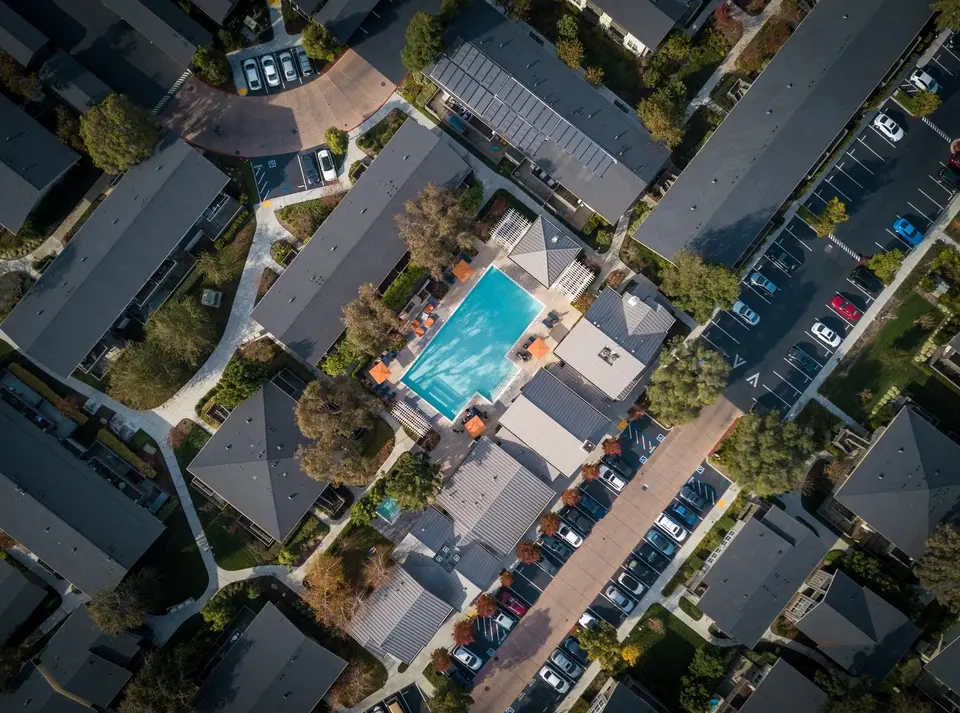
Few U.S. container ports move as much freight as Savannah's, and the I-16 and I-95 corridors nearby have filled up with distribution buildings, warehouses and plants. Add hotel and residential construction downtown and on the islands, and Savannah keeps a wide range of cranes working, from large crawlers on industrial builds to boom trucks on tight historic streets.
Local employers have a pair of choices for crane operator training in Savannah: host our instructors at their facility, or send workers on the drive to our yard in Seffner, Florida. We do not have a Savannah office.
Savannah crane operator training for port and logistics employers
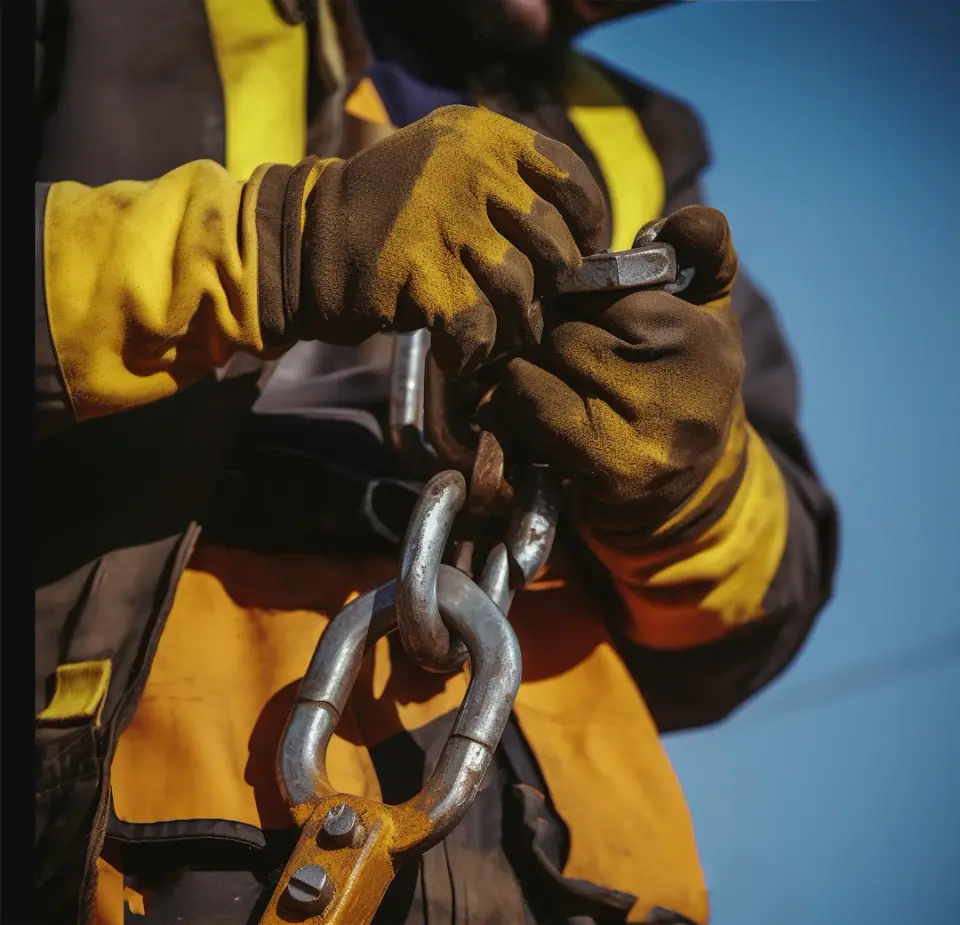
Port-adjacent work leans heavily on the ground crew. Containers, project cargo and machinery often need custom rigging, and signals have to be clear across noise and distance. We can teach both our rigging course and our signalperson course at your terminal or yard, with each one aimed at the matching NCCCO tests.
Hands who already run hydraulic or lattice machines can work toward TSS, TLL and LAT in mobile crane prep, then take the practical in your yard with one of our accredited examiners. Warehouse builders who rely on telehandlers can certify those operators too.
The pace of logistics construction around Savannah means many crews add new people quickly. Training ground crews and operators together during one visit helps a growing company set a single standard for how lifts are planned, rigged and signaled, instead of relying on habits each worker brought from a previous job.
Historic squares and coastal storms
Savannah's historic district brings narrow streets, mature live oaks, overhead lines and old buildings close to the work, so setup and swing planning take extra care. Along the coast and marsh, soft and saturated ground can make outrigger support unpredictable.
From June through November, a storm can be days away, so crews need a plan for tying down equipment beforehand and a thorough inspection routine once it passes. Wind and lightning limits apply all summer as thunderstorms build in the afternoon heat. We go over the fundamentals in our post on working cranes through severe weather.
Driving to Seffner
Savannah is one of the easier Georgia cities to reach our center from: head south on I-95 into Florida and connect toward Tampa, a long but straightforward drive. People enrolled in the three- or five-week beginner course usually take a room close to Seffner for the Monday-to-Thursday class days. Operators who already have experience can make the trip for the Friday-through-Monday prep held each month, and Seffner also hosts monthly CCO written testing. Open sessions are listed on the Seffner calendar.
Throw work clothes, gloves, a hard hat, hard-toe boots and sunglasses in your bag, and don't forget your driver's license and a government photo ID. Course handouts and materials are on us.
Georgia requirements
Georgia doesn't typically appear on lists of states with their own crane license, so OSHA's federal rules are what operators follow. Port authorities, terminal operators and industrial owners often set stricter rules, so check each site's requirements. Facilities that handle hazardous materials or operate around the clock may also require site-specific orientation before any crane work begins, so build that time into your schedule. See our statewide Georgia page for more, or reach the office to start planning.