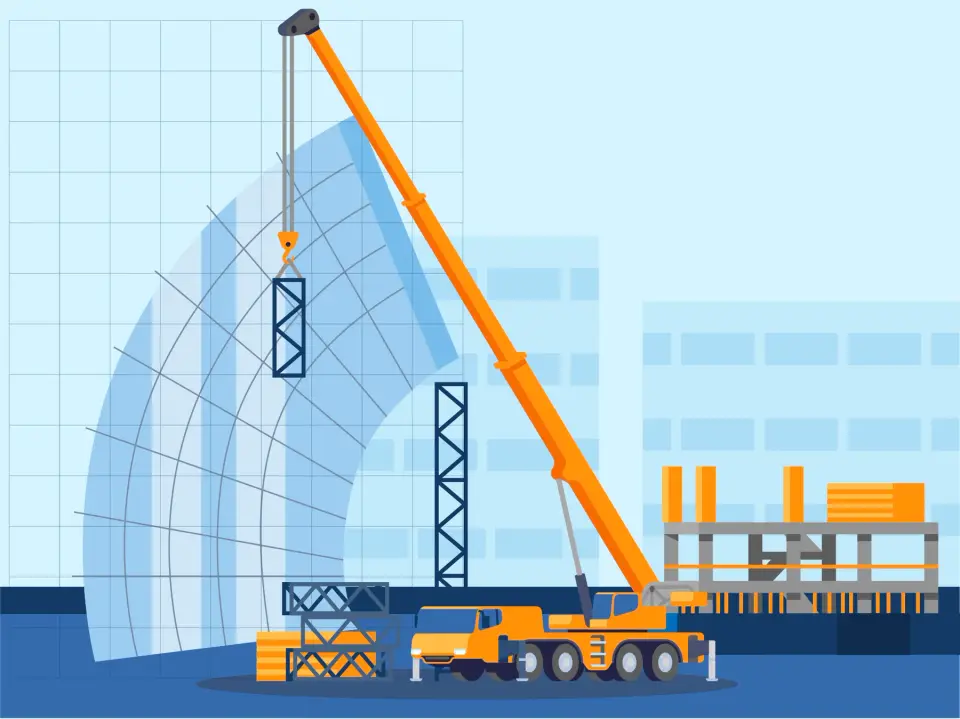
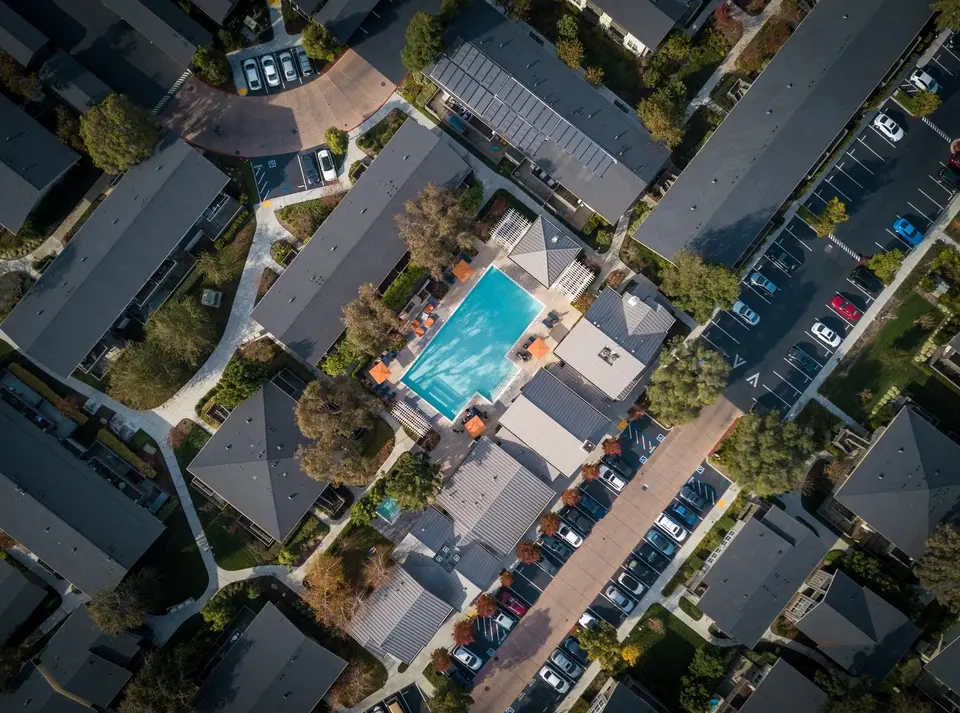
Mobile crane lifting a tilt-up concrete wall panel at a warehouse site
Jackson, MS

Crane Operator Certification in Jackson, Mississippi

State government, hospitals, highway interchanges and distribution warehouses all bring cranes to Central Mississippi. Here's how to get your Jackson crew certified.

Crane Work Around the Capital

Jackson is Mississippi's capital and largest city, and its construction mix follows from that role. State and municipal buildings, hospital and medical-school facilities, and highway work where I-55 and I-20 meet generate steady lifting. Out in Madison and Rankin counties, new distribution buildings bring tilt-up walls, steel framing and rooftop units into the mix.

Many contractors and agencies pursue crane operator certification in Jackson, MS as one piece of proving their safety program to an owner or an insurance carrier. Hospital and government owners in particular tend to ask contractors for proof of operator certification, rigger qualification and a written lift plan before major picks.

Programs for Central Mississippi

  • Supervisors and safety managers: in Managing Crane Safety, the agenda is accident prevention, planning, inspections, liability and staying compliant with OSHA and industry practice.
  • Experienced operators: first-time testing and renewals for TSS, TLL and LAT happen through our monthly mobile crane prep.
  • Riggers and signalpersons: separate courses get the ground crew ready for NCCCO testing while supporting your own qualification paperwork.
  • Beginners: newcomers learn from the ground up during three or five weeks at our Florida yard.

Public agencies that use cranes only occasionally often benefit from training a supervisor first, so someone understands the rules before the next lift. A city or county crew that sets a sign, a lift station pump or a section of pipe a few times a year still needs a qualified operator and a sound plan.

Tilt-Up and Warehouse Lifts

Warehouse construction around the Jackson metro relies heavily on tilt-up concrete panels. Each panel is a big, flat, heavy load that demands exact rigging and tight teamwork between the seat and the ground. A panel that catches wind or is rigged off-center can swing hard. Before testing, an operator ought to be at ease reading the chart at real working radius, and a rigger ought to know how a flatter sling angle loads up each leg.

Both will get something out of our post on working through load math.

Training in Jackson or Driving to Florida

We don't have a Mississippi location; our school is in Seffner, Florida. A Jackson employer with several people to train can host our instructors, and an accredited examiner can give the NCCCO practicals on that same site. Individual students either fly to Tampa International or drive across to Seffner for an open-enrollment class. A hotel nearby offers a discounted rate to our students. Reach out and we'll help you choose.

Every month the Seffner prep weekend repeats the same rhythm: Friday is for practicals, the weekend is classroom time, and Monday morning brings the written tests. If you are bringing a group to your own yard instead, our team will help you work out who needs prep, who needs recertification and who would be better served by initial training first. That sorting step saves money, because it keeps beginners out of a course built for experienced operators and keeps veterans out of material they already know.

What Mississippi Requires

You won't usually see Mississippi named as a crane-licensing state; the governing rule is federal OSHA's. Plenty of owners, agencies and contractors go further and make an NCCCO card a requirement. For statewide information, see our Mississippi crane training page.
Frequently Asked Questions

Can a city or county agency in Jackson host training?

Yes. Absolutely. Counties and municipalities are among the groups we've trained, and we can schedule a session at a public facility.

Does a supervisor have to hold an operator card?

No. The Managing Crane Safety class is for management personnel and focuses on planning, compliance and responsibility rather than operating skills.

How soon will a new card arrive?

Expect it in the mail about three to five weeks after a passing score; NCCCO's MyCCO app will show results before then.

The Crane School

Training Programs & Services

All programs are delivered in compliance with current OSHA regulations.

Mobile Crane Operator Certification Prep Program

For experienced operators ready to certify or recertify. Includes NCCCO TSS, TLL and LAT written and practical exams.

Learn more about Mobile Crane Certification Prep

Initial Mobile Crane Operator Training Program

For people with little or no crane experience. 3-week (TSS/TLL) and 5-week (adds LAT) programs with NCCCO exams.

Learn more about Initial Mobile Crane Training (3 & 5 Week)

Articulating Crane Operator Certification Prep Program

For knuckle-boom operators. Prepares you for the NCCCO ABC, ABL and ABW written and practical exams.

Learn more about Articulating Crane Certification Prep

Rigger Qualification / Certification Program

For personnel who rig loads to cranes — supports your rigger qualification and NCCCO Rigger Level I/II exams.

Learn more about Rigger Level 1 & 2

Signalperson Qualification / Certification Program

Standard hand and voice signals for directing cranes, plus preparation for the NCCCO Signalperson exams.

Learn more about Signalperson

Managing Crane Safety Class

For managers and supervisors: OSHA compliance, lift planning, inspections, certification and liability.

Learn more about Managing Crane Safety

Telehandler Operator Program

Certification or recertification for telehandler operators. Includes the NCCCO THO written and practical exams.

Learn more about Telehandler Operator

Crane Inspection Services

Annual, monthly, post-assembly and post-incident inspections plus load testing by NCCCO-certified inspectors.

Learn more about Crane Inspections

Related Reading

Crane Operator Practice Test

Ten quick questions on crane safety rules and NCCCO basics. Pick one answer per question — your score shows on the next page.

1. Which OSHA standard covers cranes and derricks used in construction?
2. How long is an NCCCO crane operator certification valid before recertification?
3. What does NCCCO stand for?
4. Under OSHA's current construction crane rule, operator certification must be obtained by:
5. Under OSHA Table A (1926.1408), what is the minimum clearance from power lines rated up to 50 kV?
6. When is a signal person required?
7. Whose emergency stop signal must a crane operator obey?
8. What does an anti-two-block device prevent?
9. Which document gives a crane's rated capacity for a given boom length and radius?
10. Which NCCCO designation covers telescopic boom cranes with a swing cab?