
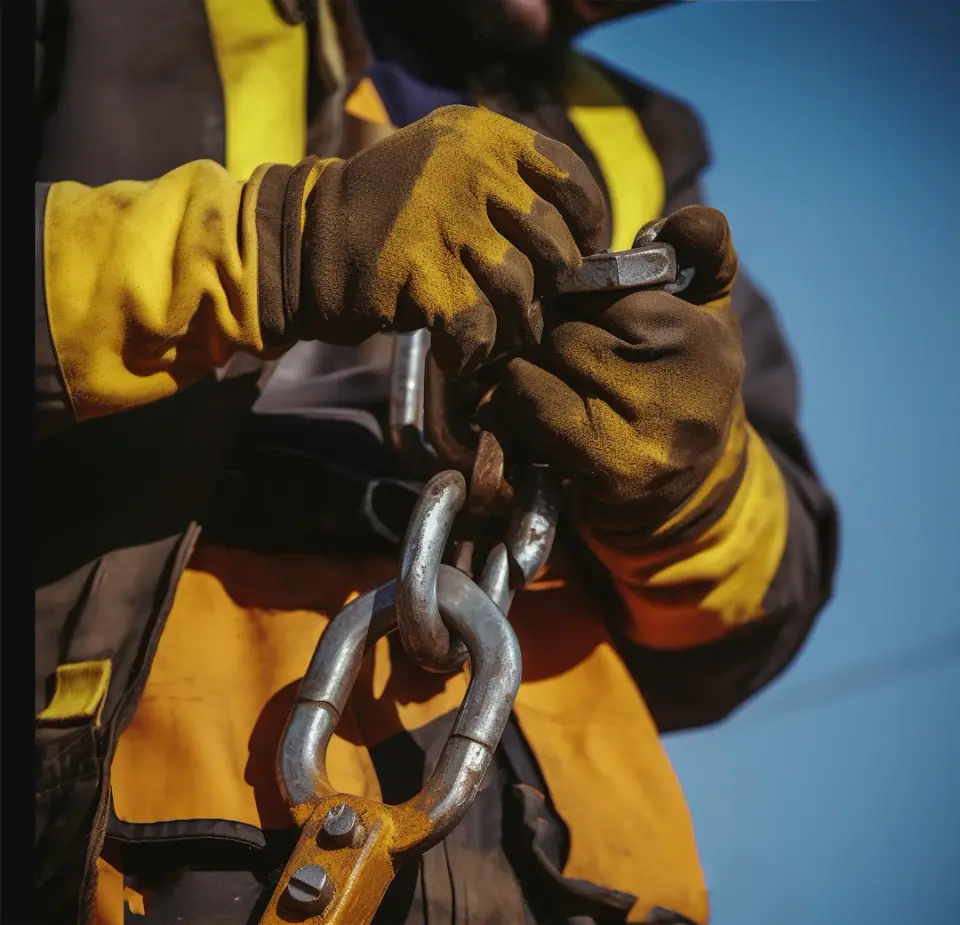
Riggers preparing to move manufacturing equipment inside an industrial plant
Tupelo, Mississippi

Crane Certification Training for Tupelo and Northeast Mississippi

Furniture plants, automotive suppliers and growing industrial parks keep Northeast Mississippi crews lifting. Choose the NCCCO prep that fits your Tupelo operation.

A Manufacturing Region's Lifting Needs

Tupelo has long been known for furniture manufacturing, especially upholstered furniture, and Northeast Mississippi has added automotive and industrial suppliers over the years. Plants expand, lines get rearranged and new industrial buildings go up in the region's business parks. Hospitals and commercial development in Lee County add steady construction work.

In a plant-heavy economy, much of the lifting is done by maintenance crews and contractors rather than big crane fleets. Crane certification training in Tupelo often starts with the people who rig and move equipment inside existing buildings. Those workers may not run a crane every week, but when a production line has to move over a weekend, their skill decides whether it goes smoothly.

Programs for Plants and Contractors

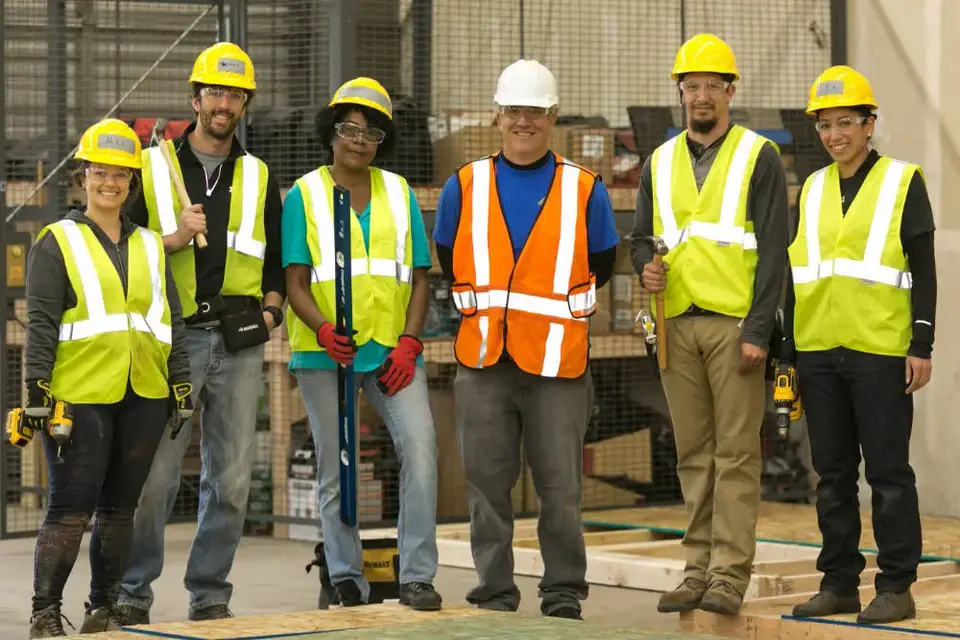
Maintenance and millwright crews

Moving machinery is mostly a rigging problem. The rigger qualification and certification program supports a company's qualified-rigger process and prepares workers for NCCCO Rigger Level I and II.

Material handling on construction sites

General contractors building new plants often use telehandlers. The telehandler operator program covers NCCCO THO exams.

Crane operators

Experienced operators prepare for TSS, TLL or LAT exams in the mobile crane prep course. People who are new to cranes start with the initial training program.

Signalpersons

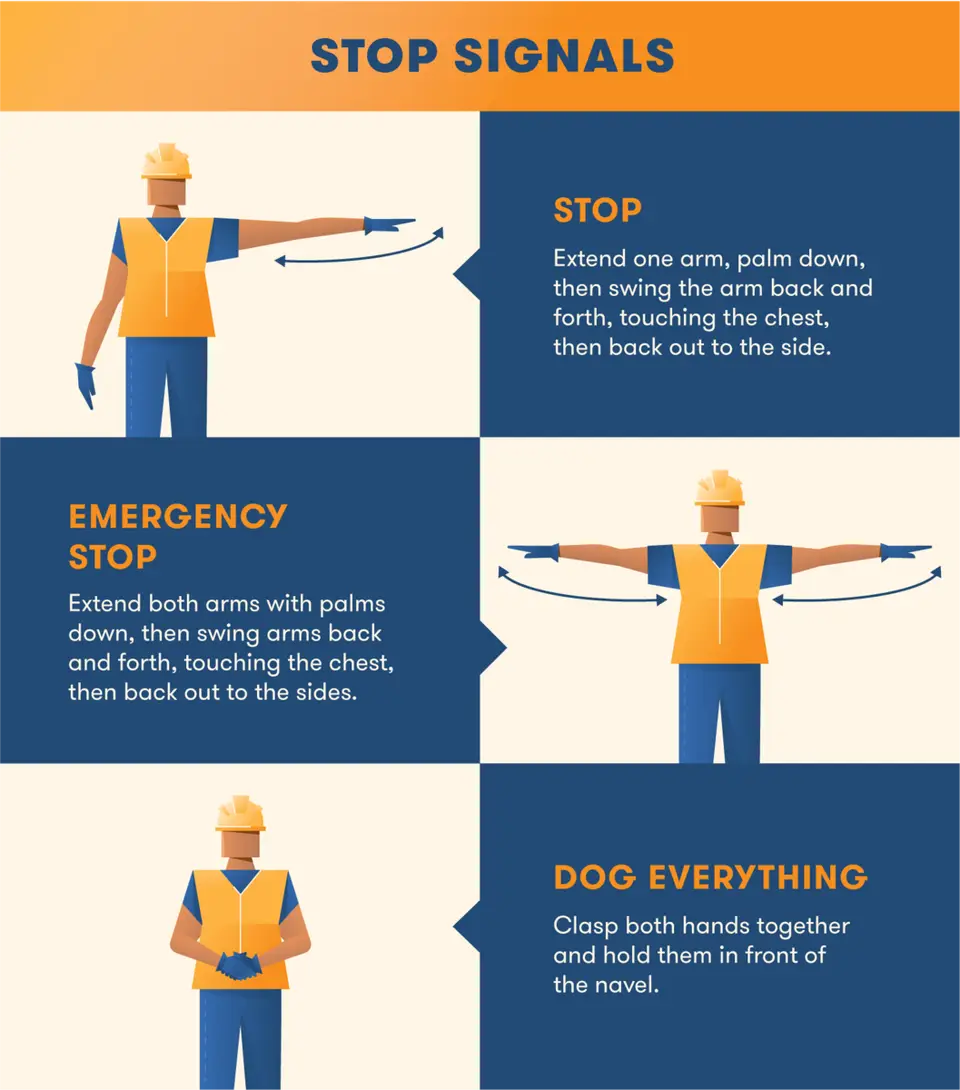
Inside a plant, columns, racks and equipment block the operator's view, so qualified signalpersons are important.

Severe Weather Awareness

Northeast Mississippi sits in a region where spring and fall bring strong thunderstorms and tornado warnings. Outdoor crane work needs a clear plan for monitoring the forecast, securing the crane and stopping lifts before gusts arrive. Crews who have trained together tend to respond faster when a supervisor calls a halt. Summer heat and humidity add another layer, so plan water, shade and rest breaks on long lift days, especially for anyone working on the ground in full gear.

Our blog on handling crane emergencies discusses how operators can prepare for sudden changes on site.

Training On-Site or in Florida

We operate one training center, in Seffner, Florida, and have no Tupelo office. Manufacturers and contractors with several people to train can host instructors at their facility, and accredited examiners can schedule NCCCO practical exams on-site, often on the same crane the plant uses for maintenance lifts.

Individuals can travel to Seffner for open enrollment. Multi-week programs run Monday through Thursday, 7:00 AM to 4:00 PM, and the monthly mobile crane prep runs Friday through Monday. View the upcoming schedule for dates.

For plants, on-site training has a second benefit: it can be scheduled around shutdowns and slow periods so rigging practice happens on real equipment in the actual building. Talk with your safety team about clear floor space, overhead obstructions and who needs to be in the room before we arrive. Each candidate should bring a hard hat, hard-toe footwear, gloves and a government-issued photo ID.

Mississippi Requirements

Mississippi is not among the states commonly cited for its own crane operator license, so federal OSHA rules govern construction crane work. Employers and plant owners may set stricter rules, and many expect NCCCO certification. Work inside an operating plant may also fall under OSHA's general industry standards rather than the construction rules, so ask your safety department which standards apply to each job. See our Mississippi NCCCO prep page for more.
Frequently Asked Questions

Can we train plant riggers without crane operators?

Yes. Rigger qualification and certification can be delivered on-site as a standalone program.

Does OSHA's crane standard apply inside a manufacturing plant?

OSHA's Subpart CC applies to construction. General industry work falls under other OSHA standards, and many plants also set their own requirements. Check with your safety department.

Is there a written-exam guarantee?

The Crane School publishes a guarantee for its NCCCO written exam preparation; ask for the terms when you enroll.

The Crane School

Training Programs & Services

All programs are delivered in compliance with current OSHA regulations.

Mobile Crane Operator Certification Prep Program

For experienced operators ready to certify or recertify. Includes NCCCO TSS, TLL and LAT written and practical exams.

Learn more about Mobile Crane Certification Prep

Initial Mobile Crane Operator Training Program

For people with little or no crane experience. 3-week (TSS/TLL) and 5-week (adds LAT) programs with NCCCO exams.

Learn more about Initial Mobile Crane Training (3 & 5 Week)

Articulating Crane Operator Certification Prep Program

For knuckle-boom operators. Prepares you for the NCCCO ABC, ABL and ABW written and practical exams.

Learn more about Articulating Crane Certification Prep

Rigger Qualification / Certification Program

For personnel who rig loads to cranes — supports your rigger qualification and NCCCO Rigger Level I/II exams.

Learn more about Rigger Level 1 & 2

Signalperson Qualification / Certification Program

Standard hand and voice signals for directing cranes, plus preparation for the NCCCO Signalperson exams.

Learn more about Signalperson

Managing Crane Safety Class

For managers and supervisors: OSHA compliance, lift planning, inspections, certification and liability.

Learn more about Managing Crane Safety

Telehandler Operator Program

Certification or recertification for telehandler operators. Includes the NCCCO THO written and practical exams.

Learn more about Telehandler Operator

Crane Inspection Services

Annual, monthly, post-assembly and post-incident inspections plus load testing by NCCCO-certified inspectors.

Learn more about Crane Inspections

Related Reading

Training Program

Telehandler Operator Certification Program

Telehandler certification prep for the NCCCO THO written and practical exams, fixed or rotating. Certify or recertify. Join the list for upcoming dates.

Crane Operator Practice Test

Ten quick questions on crane safety rules and NCCCO basics. Pick one answer per question — your score shows on the next page.

1. Which OSHA standard covers cranes and derricks used in construction?
2. How long is an NCCCO crane operator certification valid before recertification?
3. What does NCCCO stand for?
4. Under OSHA's current construction crane rule, operator certification must be obtained by:
5. Under OSHA Table A (1926.1408), what is the minimum clearance from power lines rated up to 50 kV?
6. When is a signal person required?
7. Whose emergency stop signal must a crane operator obey?
8. What does an anti-two-block device prevent?
9. Which document gives a crane's rated capacity for a given boom length and radius?
10. Which NCCCO designation covers telescopic boom cranes with a swing cab?