
Port Work, Shipyards and Storm Season
Gulfport is home to the state port on the Mississippi Sound, and the Coast from Bay St. Louis to Pascagoula has a long history of shipbuilding, marine fabrication and offshore support work. Cranes there move containers and breakbulk cargo, set steel modules, and support pier and seawall repairs.
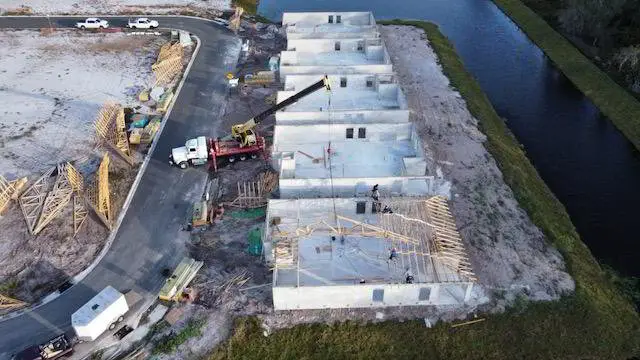
Then there is hurricane season. After a major storm, the Coast needs crane crews for debris removal, utility restoration and rebuilding, often in a hurry and in rough conditions. Crane operator training in Gulfport should prepare people for routine port work and for the high-pressure lifts that follow a storm.
The Right Program for Coast Crews
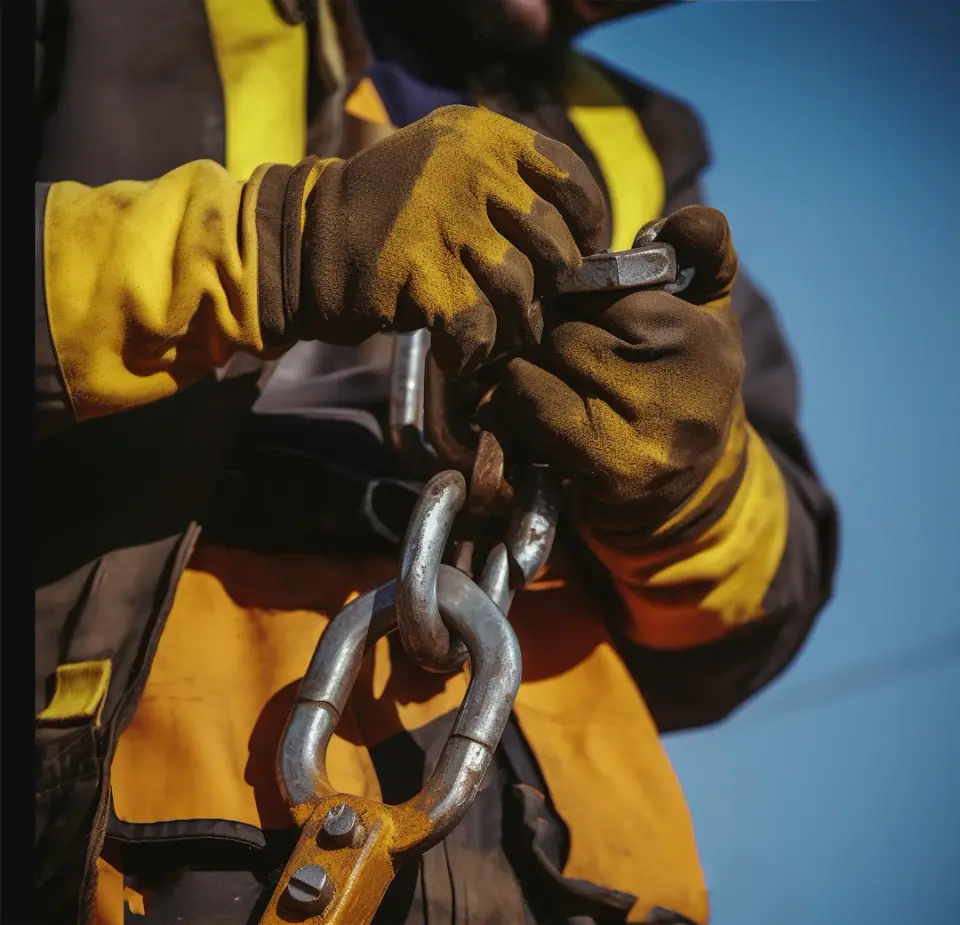
- Marine fabrication and shipyard rigging: the rigger qualification and certification program prepares workers for NCCCO Rigger Level I and II exams. Heavy steel modules and odd-shaped equipment are where rigging skill matters most.
- Crawler and truck crane operators: experienced hands prep for TSS, TLL and LAT exams through the mobile crane certification prep program.
- Newcomers to the trade: the initial mobile crane training program runs three or five weeks for people with little or no seat time.
- Signalpersons: long dock faces and stacked cargo hide the load from the cab, so qualified signalpersons are essential.
Crews often combine programs so riggers, signalpersons and operators train on the same standard.
Heat, Humidity and Sudden Weather
Summer on the Coast brings heat that wears people down by early afternoon, and afternoon thunderstorms that build quickly and bring lightning and gusty wind. Operators need to know their crane's wind limits, and supervisors need a clear plan for when to stop lifting. After a storm, saturated ground and debris-covered sites make setup a careful job.
Our article on weather and crane safety covers the basics, and our instructors can discuss hurricane-recovery lifting during on-site sessions.
Storm recovery also brings out-of-area crews and rented equipment to the Coast. A local contractor whose operators already hold current CCO cards, and whose riggers and signalpersons are trained to the same standard, is in a stronger position when utilities and agencies are hiring help in a hurry. Certifying before the season is far easier than trying to arrange exams in the weeks after landfall.
Getting Training to the Coast
We have one training center, in Seffner, Florida, and no Mississippi office. Gulfport employers can host on-site classes at their own yard, and our accredited practical examiners can schedule NCCCO practical exams there.
For individuals, the trip to Seffner is a realistic drive along I-10 for many Coast residents, or a short flight into Tampa International. The monthly mobile crane prep runs Friday through Monday, and the Holiday Inn Express Tampa Fairgrounds offers a negotiated rate for Crane School students; confirm the current rate with the hotel. Reach out to check upcoming dates. CCO written exams are also offered monthly at the Seffner headquarters, which helps if someone needs to retake a written test.
Mississippi Rules
Mississippi is not among the states commonly cited for a separate state crane operator license, so federal OSHA rules govern, including operator certification under 1926.1427 for construction. Employers, ports and project owners may set stricter rules of their own. More information is on our Mississippi crane certification page.