
What Missouri Requires and What It Doesn't
Missouri relies on federal OSHA for private-sector workplace safety, and the state is not commonly cited for its own crane operator license. For construction work, Missouri crane operator certification therefore comes down to OSHA 29 CFR 1926.1427: operators must be certified by an accredited program for the type of crane they run. NCCCO is the credential most Missouri contractors recognize.
What Missouri lacks in a state license, employers often make up for in internal rules. Utilities, refineries and large general contractors may require specific NCCCO certifications, prequalified riggers or documented signalperson training before anyone sets foot on site. Cities can add their own permitting for street closures or oversize equipment, so check locally before you mobilize.
Keep the roles straight: NCCCO certifies. The Crane School trains, prepares and, through accredited examiners on our staff, can schedule practical exams.
River Terminals, Bridges and Two Big Metros
Missouri sits where the Missouri and Mississippi rivers meet, and its barge terminals, grain elevators and industrial docks keep crawler and mobile cranes working along the water. Bridge replacements across both rivers and their tributaries add marine and barge-mounted crane work.
St. Louis and Kansas City anchor the state's commercial construction, with hospital, stadium-area, office and warehouse projects. Distribution and logistics growth along the interstate corridors means plenty of tilt-up and precast work. Manufacturing plants and aerospace and automotive suppliers in both metros need riggers and operators during installations.
Missouri weather is a factor, too. Spring and summer storms bring sudden wind, and the state sits in a region known for severe thunderstorms and tornadoes. Reading a load chart correctly, and knowing when wind makes a lift unsafe, is basic survival here.
Precast and Tilt-Up Work Along the Interstates
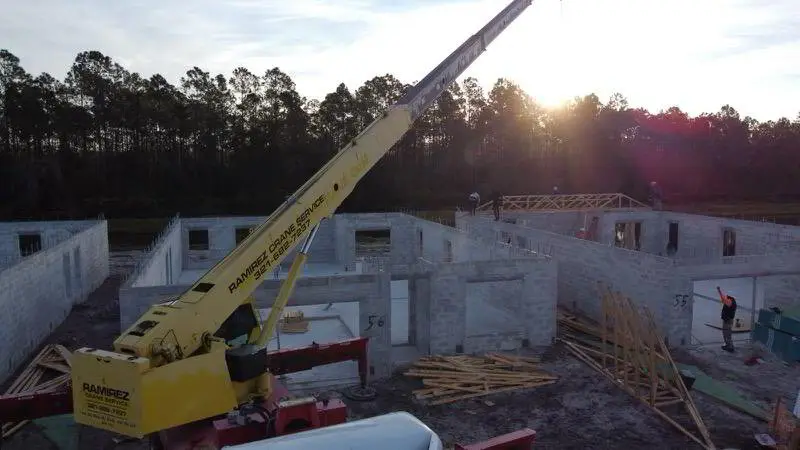
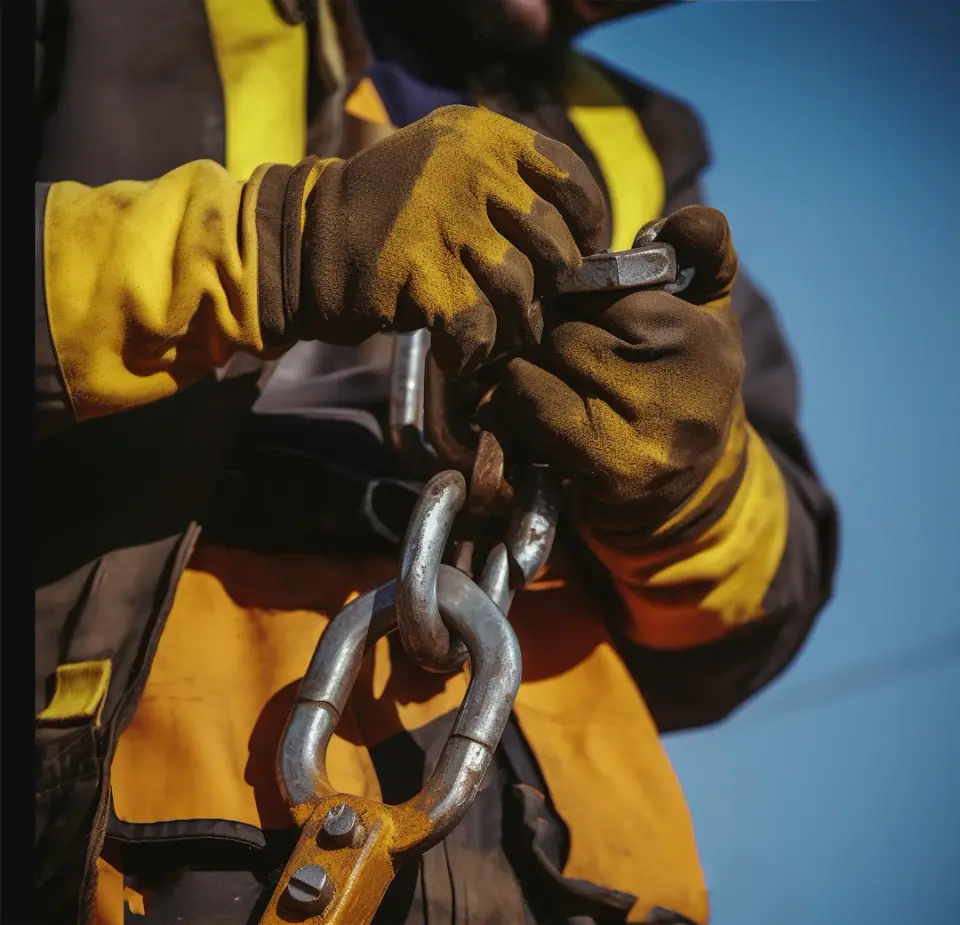
Warehouse and distribution construction along Missouri's interstate corridors often involves tilt-up concrete panels and precast components. Those lifts depend on correct rigging hardware, accurate panel weights and clear communication between the operator, the rigger and the signalperson, especially when panels are flipped or set close to other walls.
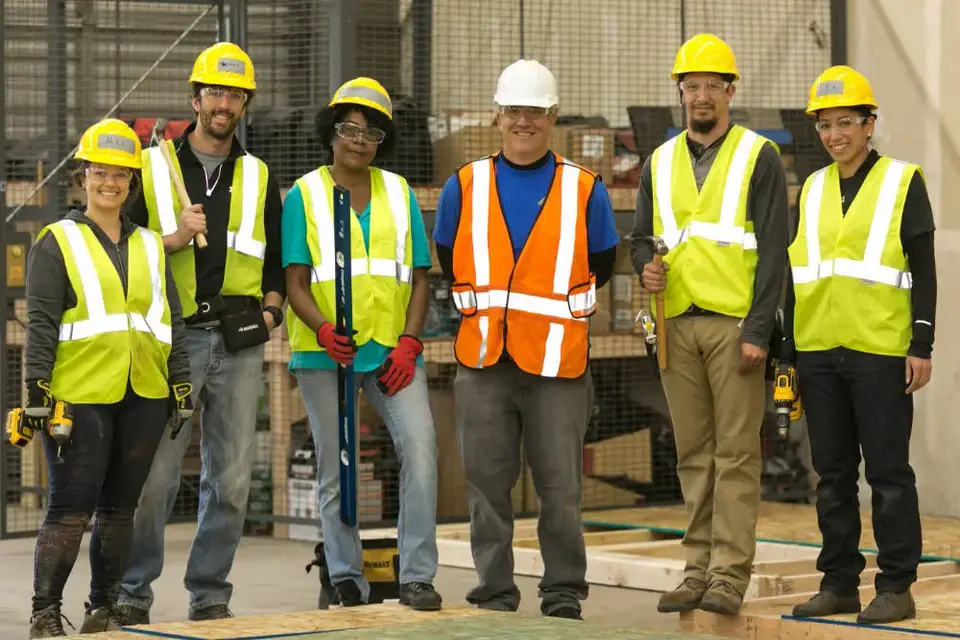
Crews on that kind of work benefit from training as a unit. When operators understand the rigging and riggers understand the load chart, mistakes get caught before the panel leaves the ground. That is one reason Missouri contractors often combine operator prep with rigger and signal qualification in a single on-site visit.
The same discipline carries over to steel erection and equipment setting, where every pick follows a plan.
On-Site Across Missouri or Open Enrollment in Florida
Many Missouri contractors have crews in both St. Louis and Kansas City, which makes on-site training attractive. Our instructors can come to one location or split time between yards, teaching on the cranes you use. Our accredited practical examiners can schedule CCO practical exams at your site, anywhere in the state.
For individuals or a couple of operators, open-enrollment classes at our Seffner, Florida facility are usually simpler. CCO written exams are offered there monthly, and the experienced-operator prep program runs once a month from Friday to Monday. Missouri students fly into Tampa International Airport, and we can point you to a nearby hotel with a negotiated rate. See the training calendar for open seats.
Building a Training Plan for a Missouri Contractor
Mixed crews need mixed training. A practical plan for a typical Missouri contractor might look like this:
Operators who already run cranes
Use the mobile crane operator certification prep program for TSS, TLL and LAT written and practical exams, or for recertification.
Riggers on precast, steel and plant work
The rigging qualification and certification program supports your internal qualification process and prepares candidates for NCCCO Rigger Level I and II.
Telehandler operators on warehouse and commercial jobs
The telehandler operator program prepares operators for NCCCO THO certification or recertification.
If load charts are a weak point across the crew, read our article on the importance of load calculations before training starts.
Pay, Progression and Recertification
Crane work in Missouri spans union and open-shop contractors, rental fleets and in-house plant teams, and pay varies accordingly. Instead of quoting numbers, we point students to the U.S. Bureau of Labor Statistics Occupational Employment and Wage Statistics for crane and tower operators (opens in a new tab) (53-7021), which lists state and metro estimates.
Operators who keep adding credentials, such as lattice boom, rigging and signaling, tend to have more choices when work shifts between metros. Our roundup of courses for career advancement suggests a sequence. NCCCO cards expire after five years, so plan renewal in the final year.