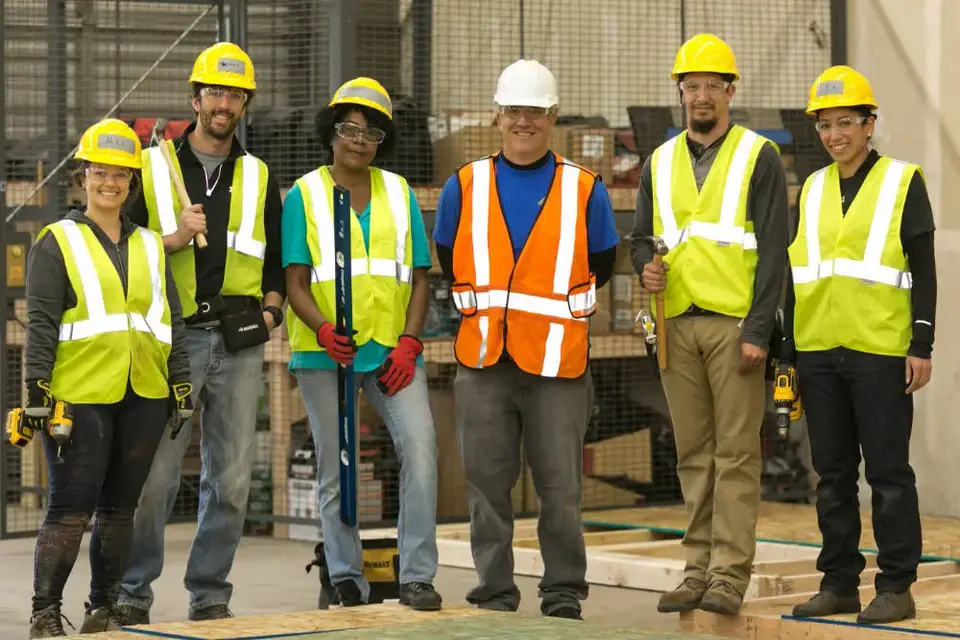
Crane lifting a tilt-up concrete panel at a large warehouse site
Kansas City, Missouri

NCCCO Crane Certification for Kansas City Crews

A rail and trucking crossroads on the Missouri River, Kansas City builds warehouses, plants and downtown towers at a steady clip. Get your crew ready to certify.

Logistics Hub, Steady Lifting

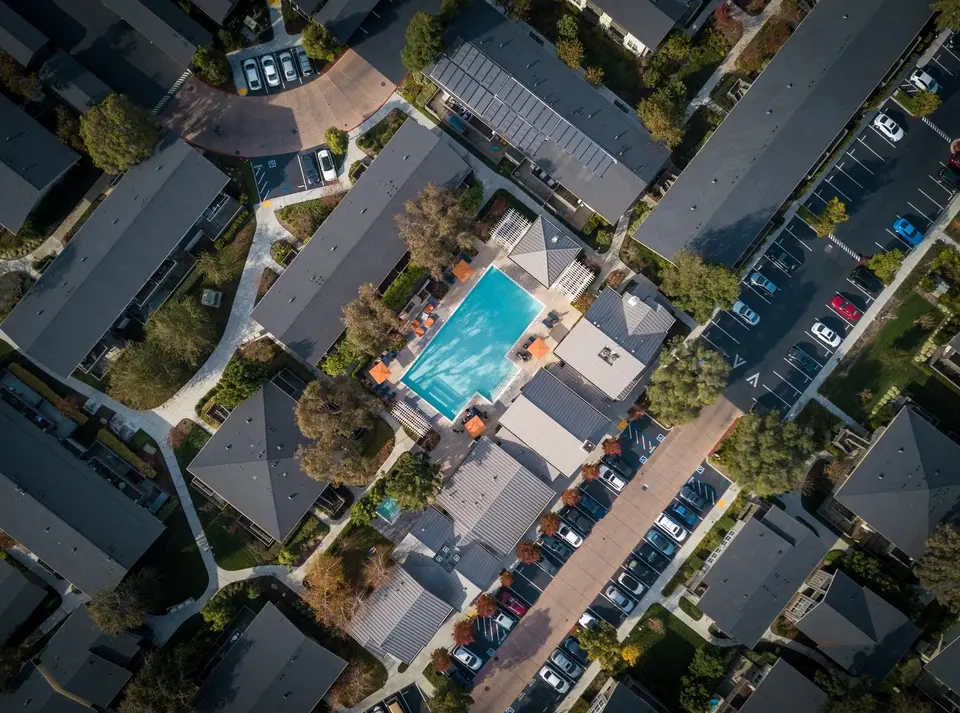
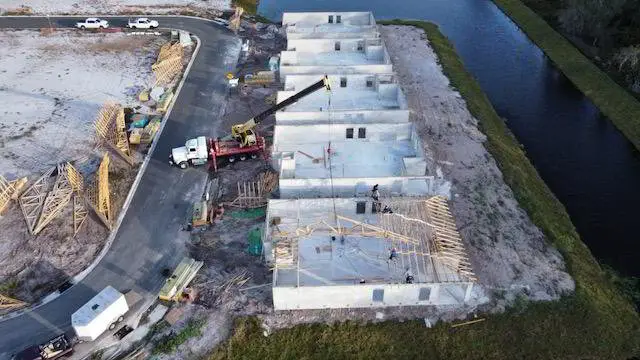
Railroads and the Missouri River built this city, and freight remains its business: KC ranks among the nation's big shipping and warehousing hubs. That shows up on the ground as large warehouse and industrial buildings, many of them tilt-up concrete, along with manufacturing plants, data and utility infrastructure, and downtown residential and office construction.

Warehouse work in particular is a crane-heavy business. That is why NCCCO crane certification for Kansas City crews so often travels with rigging instruction; setting steel or a concrete panel is only as good as the people hooking it up.

Programs for KC Contractors

  • Ironworkers and panel setters: our rigging course handles in-house Level 1 and 2 qualification and gets people ready for NCCCO Rigger I and II testing.
  • Rental-fleet and contractor operators: people already running cranes sharpen up for TSS, TLL and LAT in the monthly prep weekend.
  • First-timers: the basics come from our beginner mobile crane course, held in Florida for three or five weeks.
  • Telehandler hands: you will find these machines on nearly every warehouse and housing job, and our telehandler training targets NCCCO THO.

For fleets that hire throughout the year, a standing plan for certifying new hires saves scrambling later.

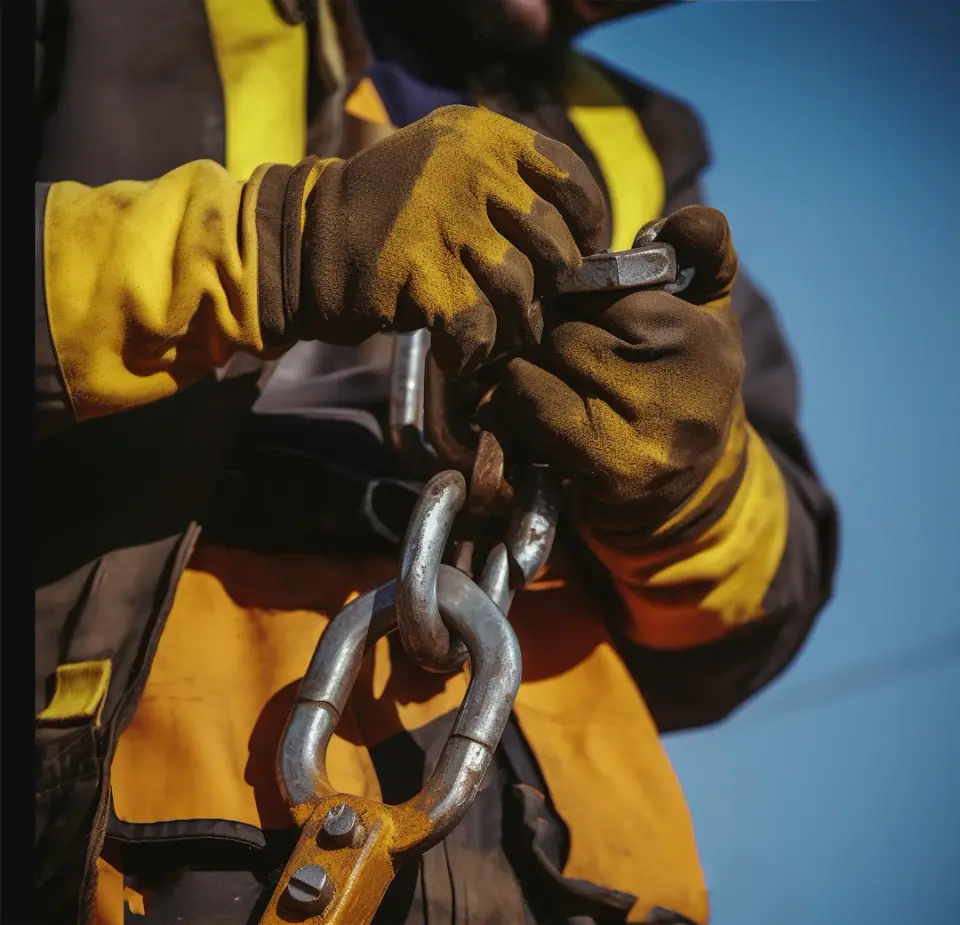
Panel erection deserves special mention. A tilt-up wall is lifted flat, rotated upright and set, which means the load on the rigging and the crane changes throughout the pick. Riggers have to select and inspect hardware for those changing forces, and the operator has to follow the ground crew's signals precisely while the panel swings into place.

Weather on the Plains

Kansas City sees hot, humid summers, cold winters, and spring storms that can bring strong wind, hail and tornado warnings. A tilt-up wall or a roof module acts like a sail; the operator should know the wind cutoff by heart, and the superintendent should already have a stop-work plan before gusts arrive. Have the crew read our severe-weather lifting tips each spring. July and August bring their own danger, since tired operators and riggers are the ones who misread a signal late in a hot day. Build water, shade and breaks into the plan.

How Training Gets to Kansas City

Everything we run from a fixed location happens in Seffner, Florida; Kansas City has no Crane School branch. A contractor with a group to certify can have our instructors travel to the KC yard instead. Since our staff includes accredited examiners, the NCCCO practical can be given right there on the machines your people run every day.

Single operators usually book a flight to Tampa and sit in a public class. Longer beginner courses use a four-day week, while the experienced-operator prep happens once monthly over a Friday-to-Monday stretch. Look over posted session dates before you buy plane tickets. We supply the course materials, and you supply a hard hat, gloves, hard-toe boots and a government photo ID.

Two States, One Metro

The Kansas City metro spans Missouri and Kansas. On the Missouri side, no separate state crane license appears on the usual lists, which leaves federal OSHA in control and room for owners or employers to require more. Crews who cross State Line Road for work should confirm Kansas requirements separately. More on Missouri is on our Missouri NCCCO prep page.
Frequently Asked Questions

We take jobs in KCMO and KCK alike. Does one CCO card cover us in each state?

The CCO card is recognized nationally, yet Missouri and Kansas can each layer on rules of their own. Check requirements for every state where you work.

Can we certify new hires on a rolling basis?

Send people one or two at a time to public sessions in Seffner as they are hired, or wait until a batch is ready and book us to come out.

After passing, when does the physical card show up?

Expect it in the mail roughly three to five weeks later. Results are also available in the MyCCO app.

The Crane School

Training Programs & Services

All programs are delivered in compliance with current OSHA regulations.

Mobile Crane Operator Certification Prep Program

For experienced operators ready to certify or recertify. Includes NCCCO TSS, TLL and LAT written and practical exams.

Learn more about Mobile Crane Certification Prep

Initial Mobile Crane Operator Training Program

For people with little or no crane experience. 3-week (TSS/TLL) and 5-week (adds LAT) programs with NCCCO exams.

Learn more about Initial Mobile Crane Training (3 & 5 Week)

Articulating Crane Operator Certification Prep Program

For knuckle-boom operators. Prepares you for the NCCCO ABC, ABL and ABW written and practical exams.

Learn more about Articulating Crane Certification Prep

Rigger Qualification / Certification Program

For personnel who rig loads to cranes — supports your rigger qualification and NCCCO Rigger Level I/II exams.

Learn more about Rigger Level 1 & 2

Signalperson Qualification / Certification Program

Standard hand and voice signals for directing cranes, plus preparation for the NCCCO Signalperson exams.

Learn more about Signalperson

Managing Crane Safety Class

For managers and supervisors: OSHA compliance, lift planning, inspections, certification and liability.

Learn more about Managing Crane Safety

Telehandler Operator Program

Certification or recertification for telehandler operators. Includes the NCCCO THO written and practical exams.

Learn more about Telehandler Operator

Crane Inspection Services

Annual, monthly, post-assembly and post-incident inspections plus load testing by NCCCO-certified inspectors.

Learn more about Crane Inspections

Related Reading

Training Program

Telehandler Operator Certification Program

Telehandler certification prep for the NCCCO THO written and practical exams, fixed or rotating. Certify or recertify. Join the list for upcoming dates.

Crane Operator Practice Test

Ten quick questions on crane safety rules and NCCCO basics. Pick one answer per question — your score shows on the next page.

1. Which OSHA standard covers cranes and derricks used in construction?
2. How long is an NCCCO crane operator certification valid before recertification?
3. What does NCCCO stand for?
4. Under OSHA's current construction crane rule, operator certification must be obtained by:
5. Under OSHA Table A (1926.1408), what is the minimum clearance from power lines rated up to 50 kV?
6. When is a signal person required?
7. Whose emergency stop signal must a crane operator obey?
8. What does an anti-two-block device prevent?
9. Which document gives a crane's rated capacity for a given boom length and radius?
10. Which NCCCO designation covers telescopic boom cranes with a swing cab?