Where the Rivers Meet
St. Louis sits on the Mississippi River just below its confluence with the Missouri, and river commerce still matters here. Barge terminals handle grain, coal, aggregates and steel, and riverfront industrial sites use cranes for loading, maintenance and repair. The metro also has a large manufacturing base, major hospital and university campuses, and ongoing downtown and Midtown redevelopment.
Crane operator certification in St. Louis therefore covers a wide range of settings, from a crawler crane on a river dock to a hydraulic crane setting rooftop units on a medical building. Each of those jobs calls for different preparation, and many employers in the metro handle several of them in the same year.
Programs for St. Louis Employers
River and terminal crews
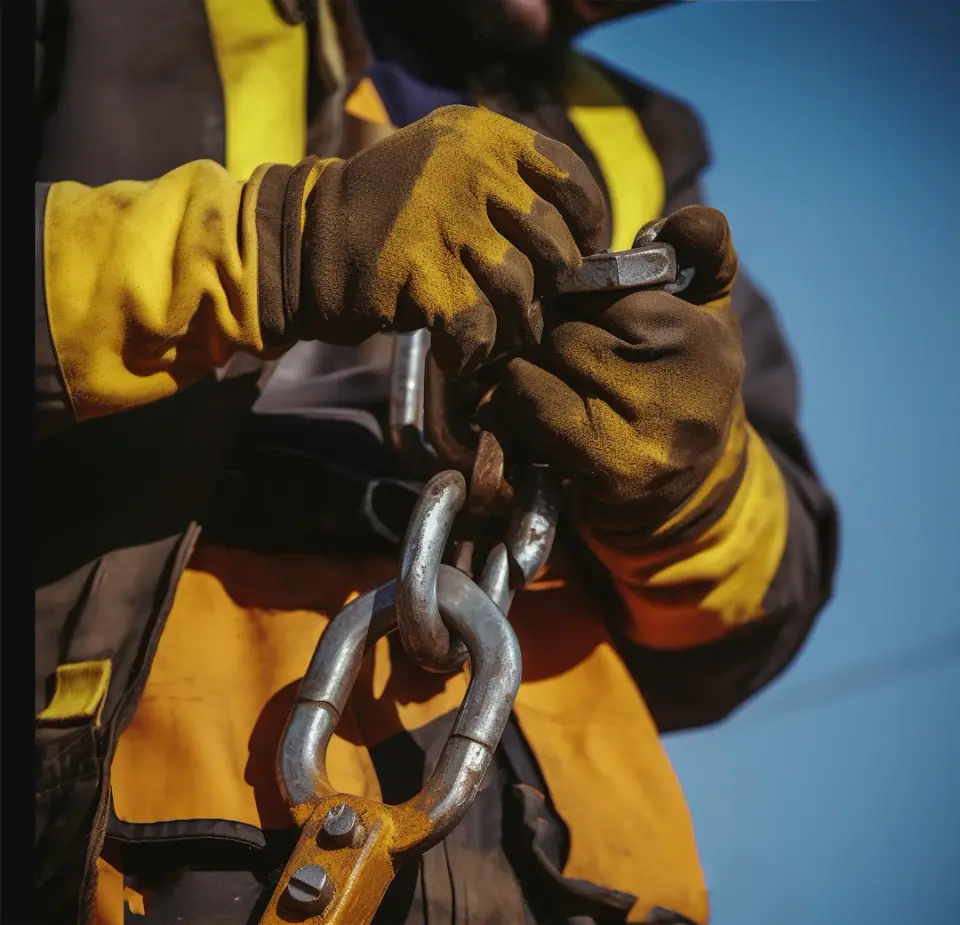
Heavy, awkward loads and moving water make rigging critical. The rigger certification program prepares workers for NCCCO Rigger Level I and II exams.
Experienced operators
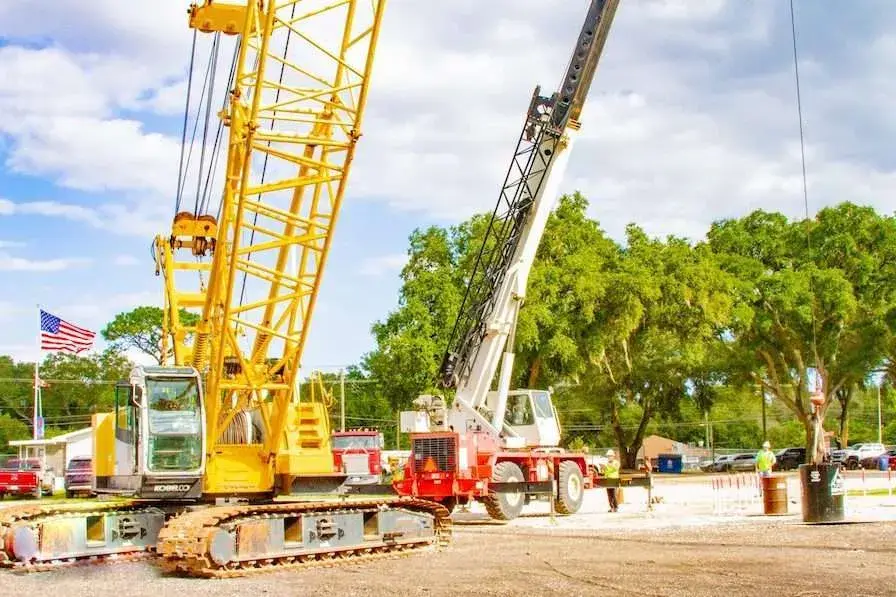
The mobile crane certification prep program covers TSS, TLL and LAT exams, including the lattice boom crawler and truck cranes common on heavy river work.
Supervisors
The Managing Crane Safety class covers OSHA and industry compliance, lift planning, inspections and liability for managers, and it suits plant engineers and project managers who approve lifts without operating cranes themselves.
Fleet owners
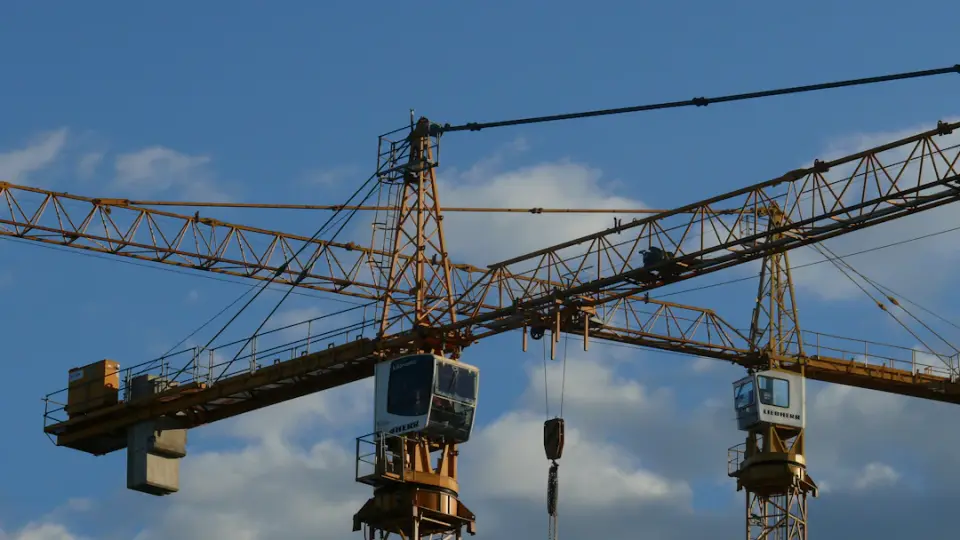
Our crane inspection services cover mobile, tower, overhead and articulating cranes, performed by NCCCO-certified inspectors.
Working Near the Water
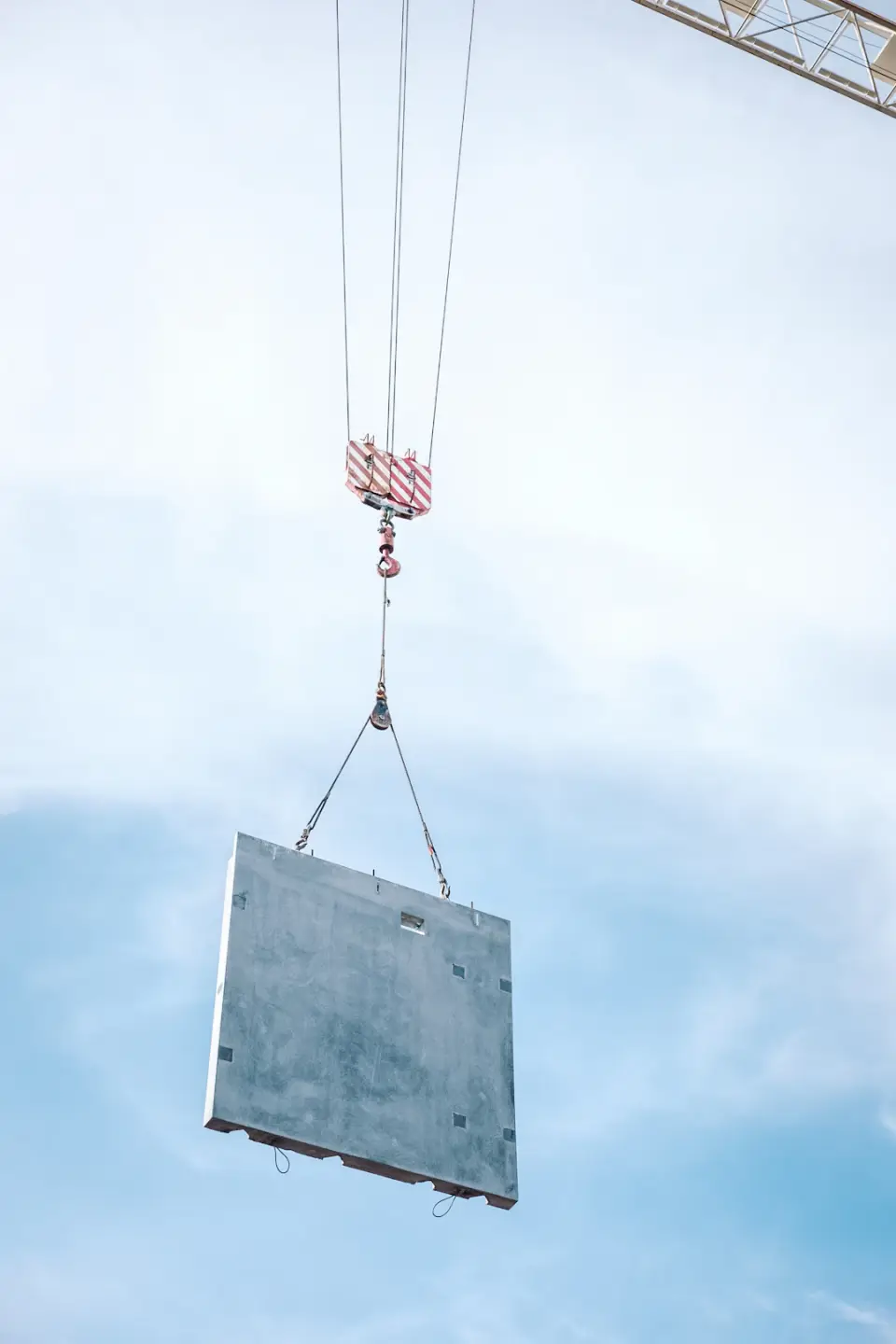
River sites bring their own problems. Banks and fill can be soft, river levels rise and fall, and open water exposes cranes to wind. Barge-mounted or dockside lifts add motion and changing reach, and seasonal flooding can change a familiar site from one month to the next. The NCCCO exams follow a standard format, but our instructors can talk through these conditions during on-site classes, and supervisors can build them into site-specific lift plans.
For a practical look at planning, read our article on crane safety management.
Training On Your Site or Ours
The Crane School has one training center, in Seffner, Florida; we have no St. Louis office. Employers can host on-site classes, and our accredited practical examiners can schedule NCCCO practical exams at your facility. Individuals can enroll in open classes in Seffner, flying into Tampa International. The mobile crane prep runs once a month, Friday through Monday, and CCO written exams are offered monthly. Reach our team to plan training.
For a riverfront terminal, an on-site visit often makes the most sense because the cranes, rigging gear and ground crew are already in one place. Plants and contractors with only one or two people to certify may find Florida simpler. Either way, every candidate needs a government-issued photo ID and a driver's license in good standing, plus a hard hat, hard-toe boots and gloves.
Missouri and Illinois
Missouri is not among the states commonly cited for a separate crane operator license, so federal OSHA rules govern, and employers or owners may set stricter rules. Owners such as hospitals, universities and industrial plants frequently write NCCCO certification into their contracts. Many St. Louis crews also work in the Metro East across the river in Illinois, where Chicago has its own city-level requirements; confirm current Illinois rules before working there. See our Missouri crane certification overview for more.