
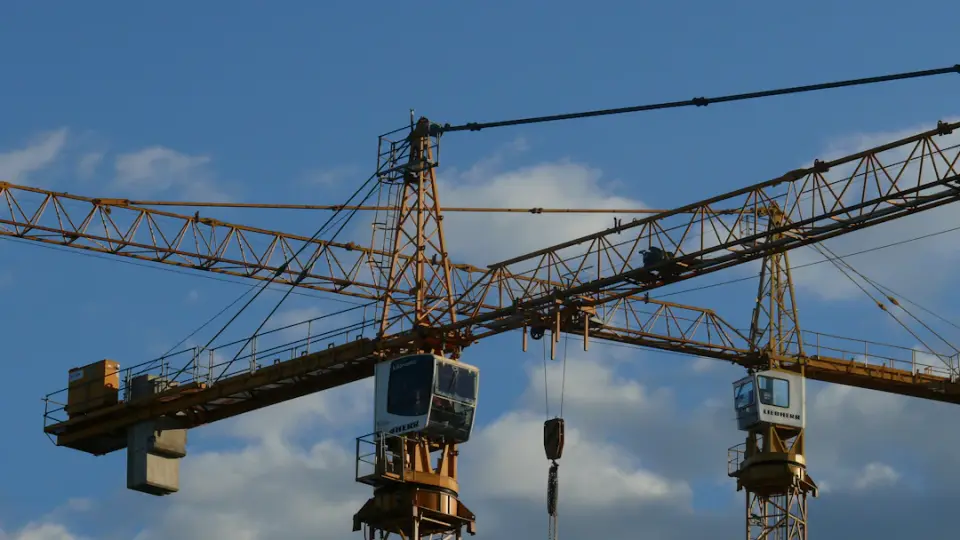
Boom truck lifting materials at a riverside construction site in a mountain valley
Missoula, Montana

Crane Operator Certification for Missoula and Western Montana

University projects, river-front development and mountain-valley winters shape crane work in Missoula. Prepare your crew for NCCCO certification.

Lifting in a Mountain Valley

Missoula sits where several valleys meet along the Clark Fork River, surrounded by mountains. The University of Montana, regional hospitals, and residential and mixed-use development along the river drive much of the local construction. The area's timber and wood-products history still shows in its yards and mills, and highway and utility work runs through the surrounding canyons.

That terrain affects every lift. Sites can be narrow, sloped or hemmed in by the river, and crane operator certification in Missoula means proving you can set up correctly when the ground is not ideal.

Programs for Western Montana

  • Boom trucks and knuckle booms: building-supply and timber businesses rely on them. The articulating crane prep program covers ABC, ABL and ABW exams.
  • Commercial and campus operators: experienced hands prepare for TSS, TLL and LAT exams in the mobile crane certification prep program.
  • Operators due to renew: the same prep program serves five-year recertification.
  • Riggers and signalpersons: both programs prepare ground crews for NCCCO exams.

Small contractors in Western Montana often have one or two people doing all the lifting, so certifying the right person on the right machine matters a great deal. If that person is out, the work stops, which is a good reason to certify a second operator.

Recertification Without the Scramble

A CCO certification is good for five years, and the final year is the time to enroll for renewal. In a smaller market, it is easy to lose track of expiration dates until a general contractor asks for proof. Keep a list of each operator's cards and dates, and plan renewals for the slower season, when pulling someone off a job for a few days costs the least.

If an operator has drifted away from a crane type, practice time before the practical exam helps. In Seffner, optional practice slots are available the Thursday before the mobile crane prep weekend. Our post on NCCCO exam tips is useful reading as well.

Training On-Site or in Seffner

The Crane School operates one training center, in Seffner, Florida, and has no Missoula office. Employers with a group can host instructors at their facility, and our accredited practical examiners can schedule NCCCO practical exams there. Individuals can travel to Seffner, flying into Tampa International, and join an open-enrollment class. Contact us to check dates and pricing.

Winter inversions, snow and icy canyon roads can make January travel and outdoor exams difficult in Western Montana. Many employers schedule on-site sessions between late spring and early fall, and send individuals to Florida during the colder months, when the Seffner exam course is dry and open. The school has a negotiated hotel rate nearby at the Holiday Inn Express Tampa Fairgrounds.

Montana's Rules

Montana has state-level crane operator requirements in addition to OSHA. Confirm current rules with the state agency and NCCCO's state licensing information before you work there. Crews who work into Idaho should check that state separately. When you bid public or university work, read the specifications for any crane-related requirements the owner adds on top of state and federal rules. More statewide information is on our Montana crane training page.
Frequently Asked Questions

Can a small Missoula contractor host on-site training?

Yes, though for one or two people traveling to Seffner may be simpler. Tell us your headcount and equipment and we will suggest the best option.

What do I bring to the Seffner training center?

Hard-toe footwear, a hard hat, gloves, work clothes, sunglasses for field sessions, and a government-issued photo ID with a driver's license in good standing.

Is there a written-exam guarantee?

The Crane School publishes a guarantee on its NCCCO written exam preparation; ask for the terms when you enroll.

The Crane School

Training Programs & Services

All programs are delivered in compliance with current OSHA regulations.

Mobile Crane Operator Certification Prep Program

For experienced operators ready to certify or recertify. Includes NCCCO TSS, TLL and LAT written and practical exams.

Learn more about Mobile Crane Certification Prep

Initial Mobile Crane Operator Training Program

For people with little or no crane experience. 3-week (TSS/TLL) and 5-week (adds LAT) programs with NCCCO exams.

Learn more about Initial Mobile Crane Training (3 & 5 Week)

Articulating Crane Operator Certification Prep Program

For knuckle-boom operators. Prepares you for the NCCCO ABC, ABL and ABW written and practical exams.

Learn more about Articulating Crane Certification Prep

Rigger Qualification / Certification Program

For personnel who rig loads to cranes — supports your rigger qualification and NCCCO Rigger Level I/II exams.

Learn more about Rigger Level 1 & 2

Signalperson Qualification / Certification Program

Standard hand and voice signals for directing cranes, plus preparation for the NCCCO Signalperson exams.

Learn more about Signalperson

Managing Crane Safety Class

For managers and supervisors: OSHA compliance, lift planning, inspections, certification and liability.

Learn more about Managing Crane Safety

Telehandler Operator Program

Certification or recertification for telehandler operators. Includes the NCCCO THO written and practical exams.

Learn more about Telehandler Operator

Crane Inspection Services

Annual, monthly, post-assembly and post-incident inspections plus load testing by NCCCO-certified inspectors.

Learn more about Crane Inspections

Related Reading

Crane Operator Practice Test

Ten quick questions on crane safety rules and NCCCO basics. Pick one answer per question — your score shows on the next page.

1. Which OSHA standard covers cranes and derricks used in construction?
2. How long is an NCCCO crane operator certification valid before recertification?
3. What does NCCCO stand for?
4. Under OSHA's current construction crane rule, operator certification must be obtained by:
5. Under OSHA Table A (1926.1408), what is the minimum clearance from power lines rated up to 50 kV?
6. When is a signal person required?
7. Whose emergency stop signal must a crane operator obey?
8. What does an anti-two-block device prevent?
9. Which document gives a crane's rated capacity for a given boom length and radius?
10. Which NCCCO designation covers telescopic boom cranes with a swing cab?