
Montana's Largest City and Its Industrial Base
Billings is the largest city in Montana and a hub for eastern Montana and northern Wyoming, with interstate highways and rail lines that tie the region's ranches, mines and energy fields to the rest of the country. Oil refineries in the area, rail yards, agricultural processing, and a regional medical and commercial center along the Yellowstone River all depend on crane work. Energy and mining activity across the region sends crews and equipment through Billings as well.
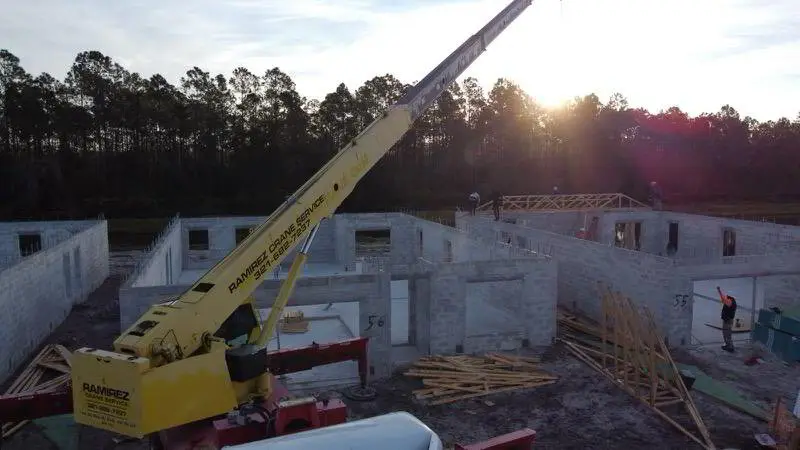
Refinery work stands out. Planned maintenance turnarounds bring many cranes and contractors into a tight unit for a short window, where heavy vessels, exchangers and piping are lifted around live process equipment. Crane operator training in Billings should prepare crews for that pace and that level of planning.
Programs for Billings Employers
Turnaround and plant crews
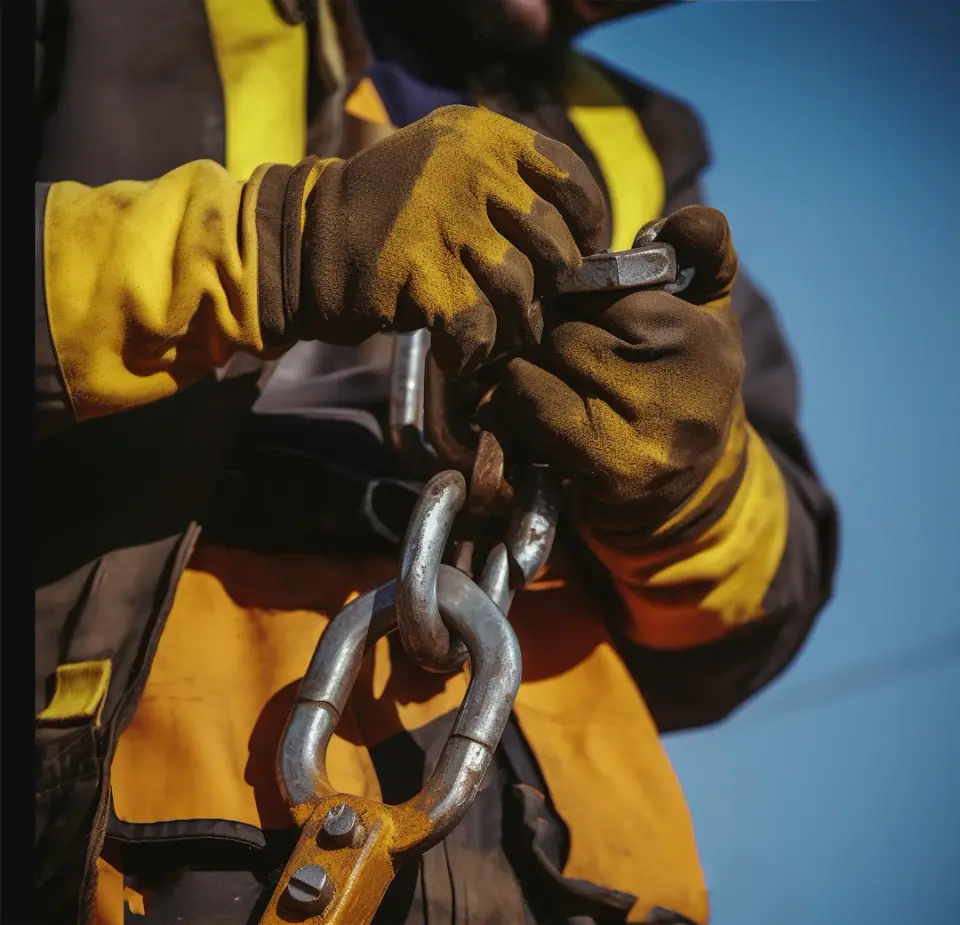
Heavy exchangers, vessel internals and piping spools need careful rigging. The rigger qualification and certification program prepares workers for NCCCO Rigger Level I and II and supports an employer's qualified-rigger process.
Crane operators
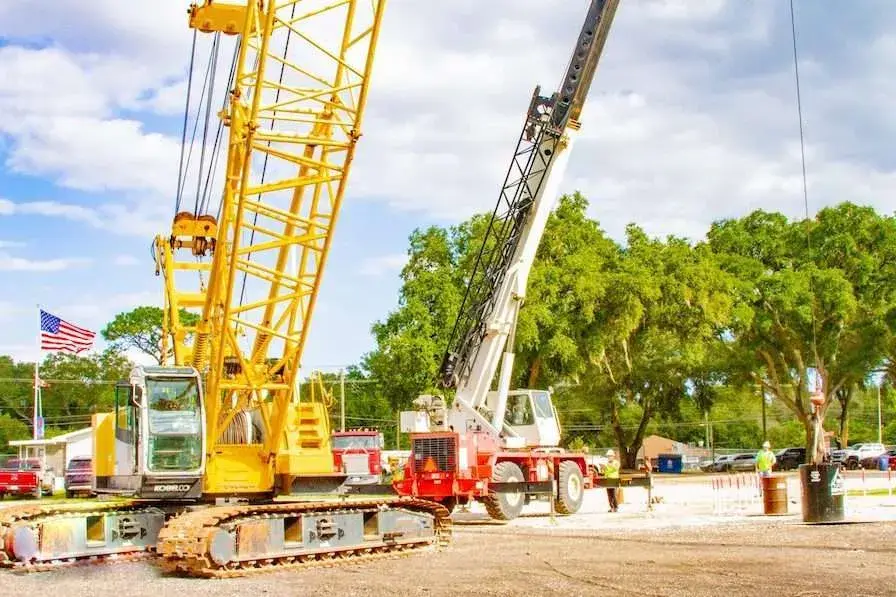
Experienced operators prepare for TSS, TLL and LAT exams in the mobile crane certification prep program. Lattice boom crawlers often show up on larger turnaround lifts, and the LAT exam covers them.
Supervisors and planners
Turnaround lift planning is a management task. The Managing Crane Safety class covers responsibilities, planning, inspections and compliance.
Rail and ag operations
Boom trucks and telehandlers are common; articulating crane and telehandler programs cover those NCCCO exams.
Wind, Cold and Big Skies
Out on the plains east of the Rims, gusts rarely let up. Gusts build quickly across the plains, and large loads such as vessel sections or prefabricated modules act like sails. Winter brings deep cold and snow, which stiffens hydraulics, ices up walkways and adds weight to loads and booms.
Operators need to know their crane's wind limits and how to check them, and supervisors need clear rules for when to stop. Our blog on extreme weather and crane safety is a practical refresher for High Plains crews.
Bringing Training to Billings
Our only campus is in Seffner, Florida, a long way from the Yellowstone Valley. We have no Montana office, so Billings employers either host us or send people south. For a refinery contractor or rail operation with several workers, on-site training is usually the better fit: instructors teach at your facility, and our NCCCO-accredited practical examiners can schedule practical exams on your own cranes.
A single operator from Billings usually books a flight to Tampa International and joins an open-enrollment class. Every month there is a Friday-to-Monday mobile crane prep session, and the CCO written tests are given in Seffner on the same monthly rhythm. Upcoming start dates sit on the class schedule.
Timing matters for turnaround contractors. Certifying crews in the months before a scheduled outage means no one is waiting on a card when the plant opens the gates, and a pre-turnaround training block lets riggers, signalpersons and operators rehearse the same standards they will use under pressure. Leave room in your hiring timeline: the physical card usually lands three to five weeks after a pass.
Montana's State Requirements
Montana has state-level crane operator requirements in addition to OSHA. Confirm current rules with the state agency and NCCCO's state licensing information before you work there. Many Billings crews also take jobs in Wyoming or North Dakota, which should be checked separately. Our Montana crane certification page has statewide context.