
Montana's State Requirements and the Federal Baseline
Montana has state-level crane operator requirements in addition to OSHA. Confirm current rules with the state agency and NCCCO's state licensing information before you work there. Those details matter, so we recommend checking them before each new project or certification cycle instead of assuming last year's answer still holds.
Below Montana's rules is the federal foundation: 29 CFR 1926 Subpart CC. Private-sector employers in the state answer directly to federal OSHA, whose section 1926.1427 says a construction operator needs accredited certification matched to every type of crane they run. Most employers satisfy that with NCCCO cards, so mapping out Montana crane certification generally begins with choosing which CCO tests each person needs.
Mine property is a separate jurisdiction. At hard-rock and coal mines, MSHA rather than OSHA usually holds authority over lifting, and each mine layers on its own standards for the crane crew.
Mines, Dams, Energy and Long Distances
Montana's lifting work is spread across a lot of ground. Mining is still a pillar of the economy, and rebuilding haul trucks or erecting mill structures takes capable crane operators and riggers. Hydro dams and the high-voltage lines leaving them also require heavy maintenance lifts from time to time. Out east, oil and gas fields and plains wind farms put cranes on wide-open ground where nothing blocks the wind.
Meanwhile, Missoula and Bozeman keep growing, and new homes and storefronts there keep mobile cranes and boom trucks on the move. Billings and Great Falls add industrial, agricultural and healthcare projects. Timber and wood products remain part of the economy, too.
What ties these together is distance and weather. Crews may drive hours to a site, mountain winds change quickly, and winter shortens daylight and freezes ground. Those conditions reward operators who plan carefully and respect their load charts.
Why On-Site Training Often Wins in Montana
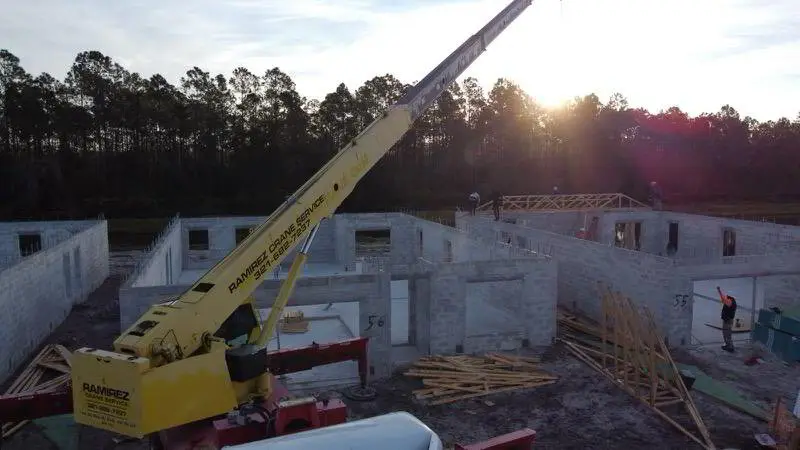
When your nearest crew is three hours from the next one, sending everyone away for training is expensive. With on-site training, our instructors travel to your mine, shop or jobsite, whether that is near Butte or out past Miles City. Classes use the equipment your people run, and our accredited practical examiners can schedule CCO practical exams at your location. Operators, riggers and signalpersons can all be handled during the same trip.
Open enrollment is the other option. For individuals, there are calendar classes at 10929 E. US-92 in Seffner, Florida, just outside Tampa; a CCO written session is held there monthly. Montana students usually connect through a hub airport to Tampa International. Traveling south fits best for a lone operator, or for a newcomer who needs the weeks-long beginner course. Our class schedule shows what is coming up.
Program Choices for Montana Operations
Experienced operators
Operators who already have hours, whether going for a first card or renewing, can work through TSS, TLL and LAT testing in our exam prep for mobile cranes.
Riggers at plants, dams and mines
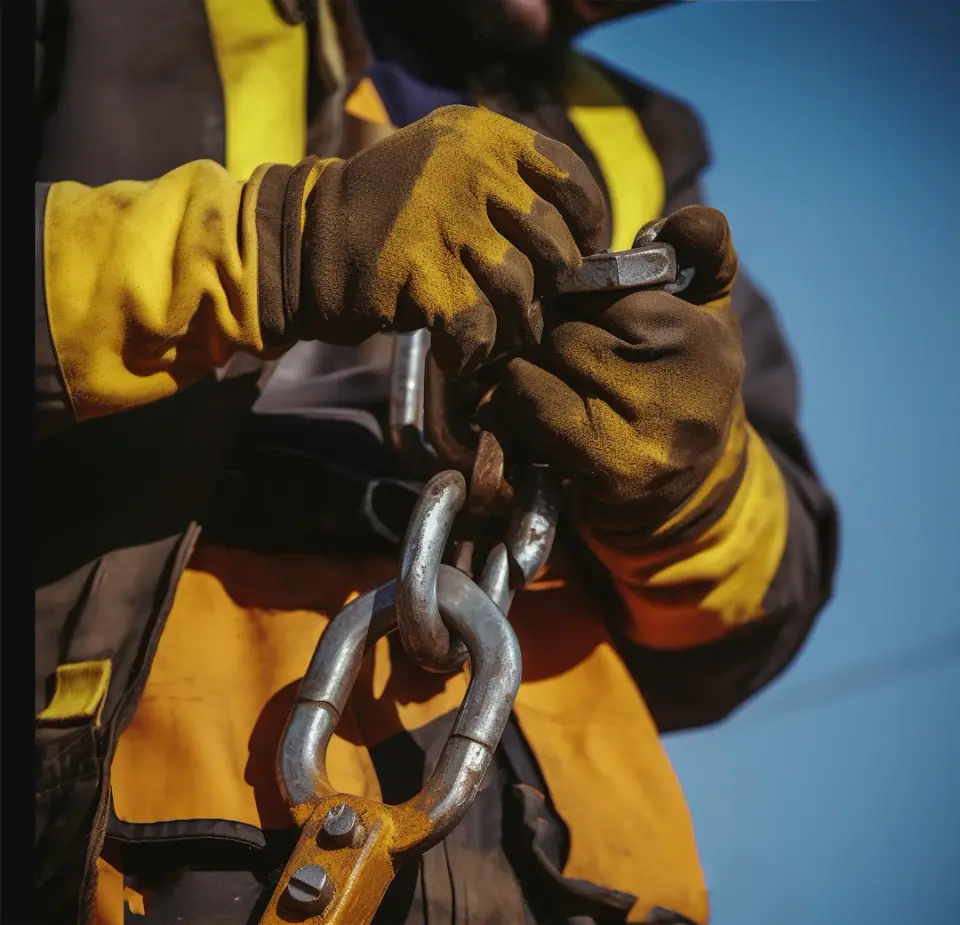
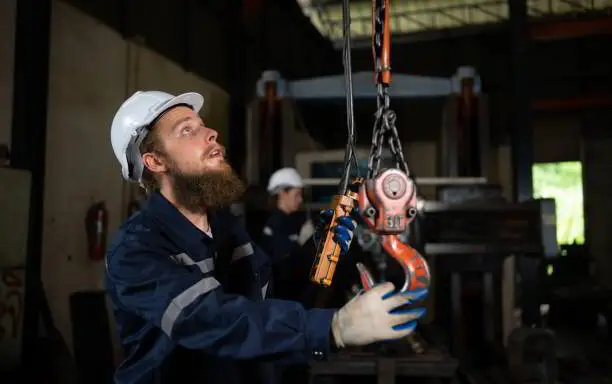
Heavy, awkward loads in tight spaces are routine in industrial maintenance. Our rigging program feeds both your internal rigger qualification and preparation for NCCCO Rigger Level I and II.
Supervisors who own the lift plan
Superintendents and safety leads can take the Managing Crane Safety Class, which works through OSHA and industry compliance, lift planning, inspections and ways to limit liability. It is especially useful when crane work is spread across remote sites with little oversight.
Prepping Your Site for Our Arrival
A few preparations help a remote training week run smoothly. Have the cranes you want covered on site, fueled and inspected. Mark off flat, unobstructed ground for practice and the practical, well clear of overhead lines and vehicle routes. Pull together a list of who needs what certification and when each person's current card expires.
If you can, gather people from more than one location for the same session. Combining crews reduces travel for everyone and builds a shared standard across your operation. More pointers are collected in our checklist for hosting crane training at your site. Once you have a rough plan, send us the town, the number of trainees and what machines they use.
Planning a Montana Crane Career
Crane operators in Montana often work for contractors that follow projects around the region, so flexibility and multiple certifications pay off. Adding rigging, signaling and lattice boom credentials opens doors at mines, energy sites and industrial plants.
We leave earnings figures to the federal government: the Bureau of Labor Statistics tracks crane and tower operator pay under occupation code 53-7021. To keep building skills in the years between renewals, see our ideas for ongoing operator development.