Statewide Rules, Plus a Note on Omaha
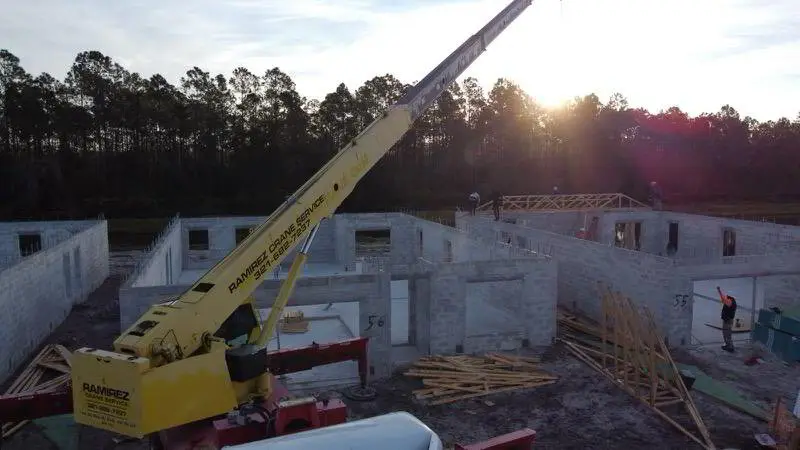
Federal OSHA covers private-sector employers in Nebraska, and the state does not appear on the usual lists of places with their own operator license. On construction jobs, 29 CFR 1926 Subpart CC is what matters: it says an operator needs certification from an accredited program covering the specific type of crane in use. Contractors around the state mostly look for an NCCCO card, which is why Nebraska crane operator training tends to be built around passing the CCO written and practical tests.
Omaha is the exception to watch. Omaha has local crane rules of its own; when a project lands inside city limits, verify what applies today before the crane rolls. Other municipalities can have permitting rules for street use and oversize equipment as well.
Our role is teaching. The exams themselves, and the cards that follow, come from NCCCO, an independent non-profit.
Grain, Ethanol, Wind and Rail
Agriculture drives much of Nebraska's lifting work. Building, expanding or maintaining grain elevators, feed mills and ethanol plants calls for cranes constantly — bins and conveyors get set, and worn equipment gets swapped out high up in tall structures. Those jobs often involve tall lifts in tight spaces and plenty of rigging.
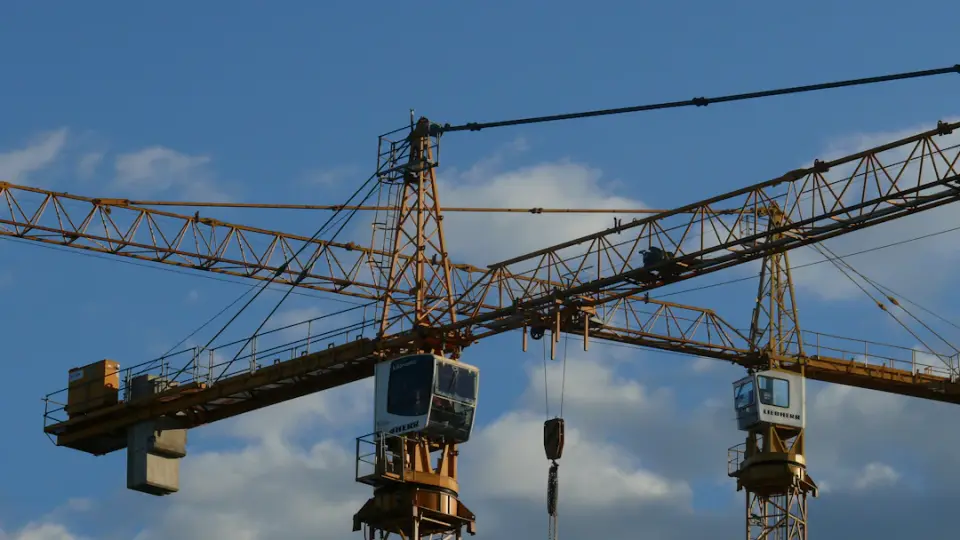
Wind energy has added turbine construction and maintenance across the state, with large cranes working in exposed, open country where gusts can change a plan. Major rail lines crossing Nebraska bring bridge, yard and industrial work. In Omaha and Lincoln, commercial, healthcare and university projects keep mobile cranes, tower cranes and telehandlers busy.
Prairie wind deserves its own mention. Nebraska crews deal with strong, steady wind more often than many places, which makes understanding wind limits and load charts a daily skill rather than an exam topic. Riggers here also learn to respect grain dust and confined structures, which change how and where a crew can stage a lift.
Bringing Training to Rural Nebraska Sites
Many Nebraska employers operate far from a metro area. With on-site training, our instructors travel to your Nebraska plant, yard or project and teach on the same cranes and telehandlers your crew runs every day. Accredited practical examiners on our staff can hold the CCO practicals right there, so nobody has to leave home or lose working days.
Sending just a person or two? Open enrollment is often the easier choice. Classes meet at 10929 E. US-92 in Seffner, Florida, a short drive east of Tampa, where a CCO written exam session is held monthly. Most people coming from Nebraska book flights to Tampa International. Our staff can point you to a discounted hotel close to the school, and future sessions appear on the course calendar.
Matching Courses to Ag and Energy Crews
Telehandlers everywhere
A lot of what gets moved on Nebraska farms, plant grounds and construction sites travels on a telehandler's forks. First-time candidates and renewals alike can get ready for the NCCCO THO written and practical tests in our telehandler course. More detail is in our telehandler certification walkthrough.
Crane operators with experience
Experienced crane hands can tackle TSS, TLL and LAT in one monthly Friday-through-Monday stretch with our mobile crane prep course.
Riggers on plant expansions
Setting bins, legs and conveyors safely depends on solid rigging. Riggers can work toward both an employer's qualification and NCCCO Rigger Level I or II through our rigging program.
Seasonal Timing for Nebraska Employers
Harvest season is no time to pull people for training at an elevator or ethanol plant, and construction crews are stretched thin in summer. Late winter and early spring are popular times to certify in Nebraska, ahead of the rush that planting and construction season bring.
That timing also gives you a chance to review which certifications expire in the coming year. Each card is good for five years; begin your renewal prep once you are inside that last year. Lining up several renewals for one on-site visit keeps the whole crew's lost time to a minimum.
Slow months bring a bonus, too. Idle plant equipment is free for practice, and a scheduled maintenance outage gives riggers and signalpersons real lifts to test on while an instructor watches. Talk with us early so dates line up with your shutdown plan rather than fighting it.
Long-Term Outlook for Nebraska Operators
Once certified, Nebraska operators can look at crane rental outfits, ag builders, energy contractors and in-plant maintenance crews. Moving from telehandler to mobile crane certification, then adding rigging and lattice boom credentials, is a common progression. To plan your next step, read our roundup of courses that help crane operators advance.
Wage figures are published by the U.S. Bureau of Labor Statistics in its Occupational Employment and Wage Statistics for crane and tower operators (opens in a new tab) (53-7021). Pay varies widely between ag, energy and metro construction work, which is why we leave the numbers to BLS.