Federal Rules Govern New Hampshire, With a Border Caveat
No separate state crane license typically shows up for New Hampshire, and its private-sector employers are covered by federal OSHA. So construction cranes there are governed by 29 CFR 1926 Subpart CC, with section 1926.1427 calling for accredited certification on every type of crane an operator runs. For most people, New Hampshire crane training means preparing for the NCCCO written and practical exams.
The caveat is geography. Plenty of local contractors pick up work just over the border, and Massachusetts usually appears on lists of states with their own crane operator rules stacked on OSHA's. Before a crew heads south on I-93 for a job, check the Bay State's current requirements and NCCCO's state licensing resources.
NCCCO issues the certification. Our role is exam preparation, practical training and, through accredited examiners, scheduling practical exams.
Seacoast, Merrimack Valley and North Country Work
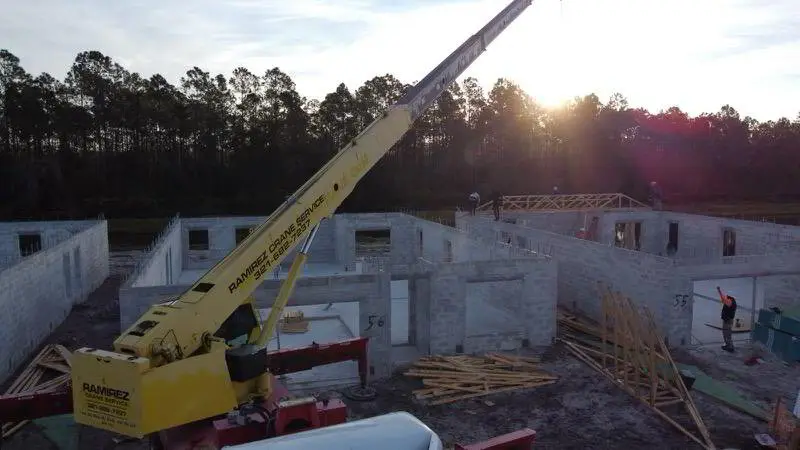
Lifting work in New Hampshire varies by region. The Seacoast around Portsmouth has port, marine and shipyard-related work along the Piscataqua River. The Merrimack Valley, including Manchester, Nashua and Concord, sees the bulk of commercial, healthcare and light industrial construction.
Farther north, the Lakes Region and White Mountains bring residential and hospitality projects on hillsides and narrow roads, where boom trucks often outnumber large cranes. Bridge rehabilitation, utility upgrades and precast installation show up across the state.
New England winters shape the calendar. Snow, ice and frozen ground complicate setups, and spring mud season can make access roads and laydown areas unreliable for weeks. Any operator who can level a crane safely on a pitched, half-thawed driveway in March is a valuable hand in this state.
Small-Crew Options: Join a Class or Host One
Many New Hampshire employers have small crews, sometimes just one or two operators. Those shops usually find it easiest to send someone to a public class at our Seffner, Florida yard, just east of Tampa. Seffner hosts a monthly CCO written test date, and experienced operators can join the Friday-through-Monday prep session held there each month. Book a flight to Tampa International, then ask our staff about the discounted hotel rate we've arranged.
Larger crews, or several small contractors willing to train together, can host on-site training instead. We'll come to a yard or jobsite from Nashua to the North Country, and our accredited practical examiners can give the CCO practical right there. Pairing operator prep with rigger or signal training in the same visit gets more done per trip. The class schedule lists open-enrollment dates. Whichever route you choose, we'll work out each person's exam list with you before any tickets get bought.
Which Program for Which Hand?
Knuckle boom and boom truck hands
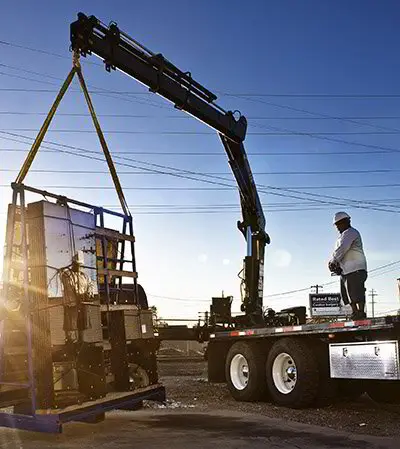
Building supply, roofing and stone suppliers across New Hampshire rely on articulating cranes. Their operators can work toward ABC, ABL and ABW in our knuckle boom certification course. For background, read our article on articulating crane exam prep.
Mobile crane operators
Hands with real seat time, whether certifying for the first time or renewing, can prepare for TSS, TLL and LAT in our mobile crane exam prep.
Riggers
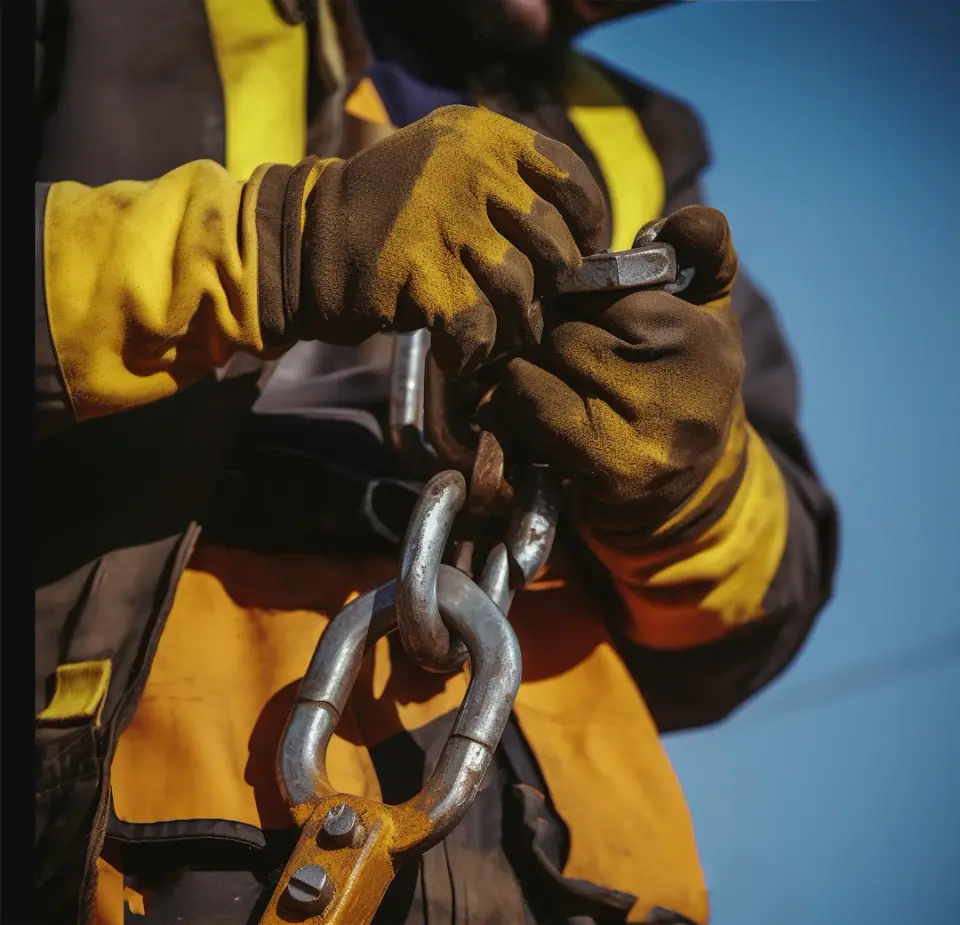
Precast, steel and equipment setting all depend on good rigging. Our rigging course backs up an employer's own qualification process and gets candidates ready for NCCCO Rigger Level I and II.
Keeping Credentials Portable Across New England
Because New Hampshire crews move around the region, portable credentials matter. NCCCO certification is nationally recognized, which makes it a strong base even when a neighboring state adds its own layer. Carry copies of every card, know when each one expires, and be able to say exactly which crane types you hold; a new site's gate check goes much smoother that way.
Certifications are valid for five years. Begin renewal prep in year five, so a packed construction season can't leave you holding an expired card. If you hold several cards, set a reminder a year ahead of the earliest expiration and try to renew them in the same trip; it is easier to schedule one week away than three.
Career Moves for Granite State Operators
Granite State operators find work with utilities, steel erectors, supply yards, GCs and crane rental firms. Plenty of them start on a boom truck at a supply yard, earn a mobile crane card a few years later and pick up rigging or lattice credentials as bigger jobs come along. We lay out why each credential pays off in our post on what certification does for a crane operator.
When you want to compare earnings, skip the job-board guesses. We send every student to the same place: the U.S. Bureau of Labor Statistics, whose crane and tower operator pay estimates (opens in a new tab) (occupation 53-7021) break down by state and metro area.