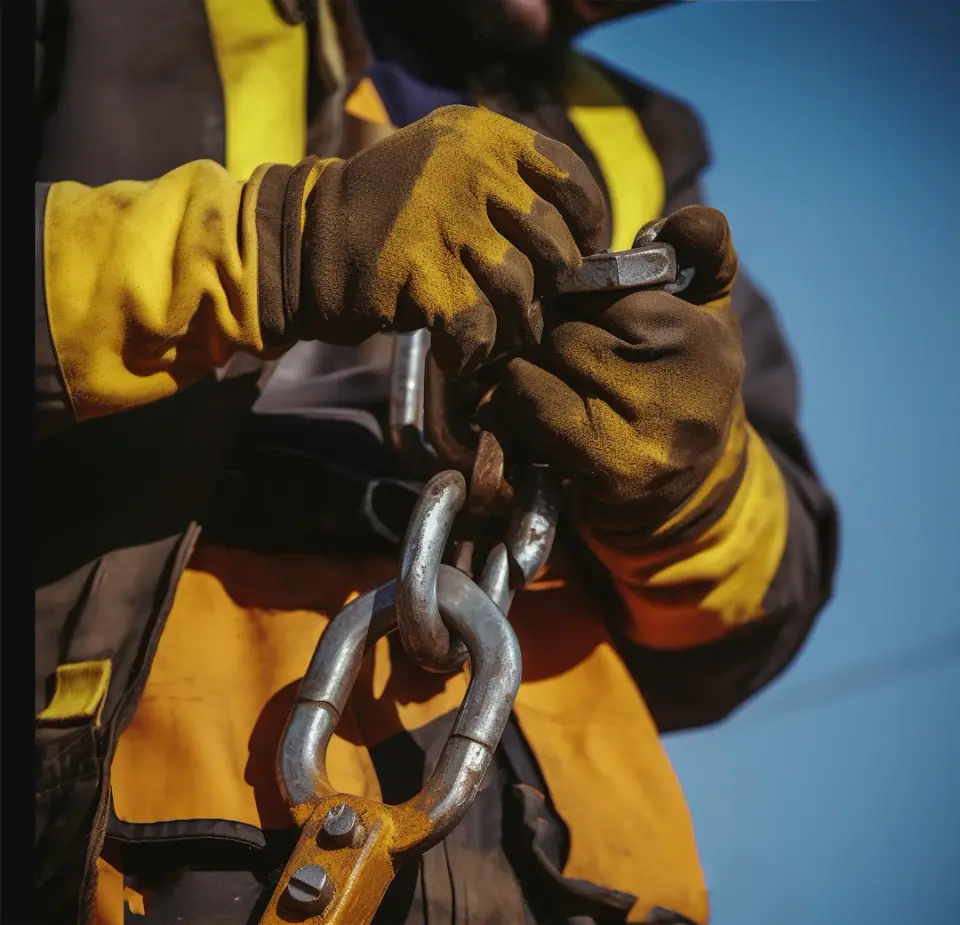
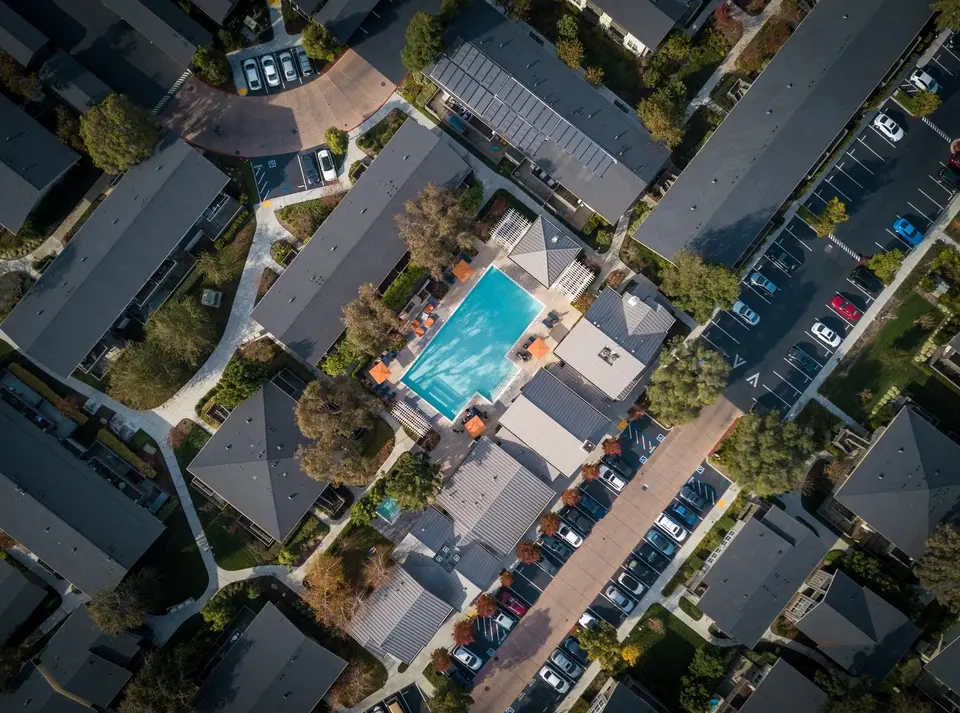
Boom truck crane lifting pipe at an oilfield site in the desert
Land of Enchantment Crews

New Mexico Crane Certification and Operator Training

Exam prep for New Mexico crane operators, riggers and telehandler hands, whether they work oil leases, federal sites, solar and wind farms or jobs in town.

Licensing in New Mexico: Federal OSHA certification is only the starting point here; New Mexico adds crane operator requirements of its own. Those details change, so look them up with the responsible state agency and in NCCCO's licensing resources before any job in the state.

New Mexico Rules on Top of Federal Certification

Operators here face New Mexico's own crane requirements on top of OSHA's, and the specifics are best confirmed directly with the state and with NCCCO's licensing pages before a project begins. Because those details can shift, we do not attempt to describe how the state's process works; check it directly each time you plan certification.

On top of that, New Mexico operates its own OSHA-approved state plan, and such plans have to be at least as effective as the federal program. Construction crane work still rests on 29 CFR 1926 Subpart CC, the federal standard that ties operator certification to each crane type and to an accredited certifying body. Most employers in the state look for NCCCO cards, which is why choosing the correct CCO exams is usually step one in any New Mexico crane certification plan.

We handle the training side, while NCCCO, an independent non-profit, grants the actual credentials.

Oilfield, Federal Facilities and Renewable Energy

Part of the Permian Basin, a leading U.S. oil and gas region, reaches into the southeastern corner of the state. Rigs, pipelines, compressor stations and gas plants there keep mobile cranes, boom trucks and telehandlers working, frequently far down unpaved lease roads.

The state is also home to large federal research laboratories and military installations, which generate steady construction and maintenance work with strict safety expectations. Solar and wind projects across open country add another kind of lifting work. In Albuquerque, Las Cruces and Santa Fe, healthcare, education and commercial projects keep mobile cranes busy in town.

Potash and other mining also matter to the economy, but lifts on mine property typically come under MSHA instead of OSHA's construction crane rule.

Altitude, Wind and Wide-Open Distances

Much of New Mexico sits at high elevation, and that affects both people and machines. Operators can tire faster in thin, dry air, and engines may not perform the same way they do at sea level. Spring is known for strong, gusty winds, and dust can reduce visibility quickly.

Those conditions put load chart knowledge to work. Crews have to know how gusts load the boom and the hook, when conditions call for shutting down, and how desert sand and caliche can look firmer under an outrigger pad than they really are. Long drives between sites also mean that fatigue management belongs in any honest safety conversation. To brush up on common errors, read our article on mistakes in crane operation and how to avoid them.

Training Delivery Options for New Mexico Employers

With crews spread across a large state, many New Mexico companies choose on-site training. We bring instructors to your shop, plant or jobsite anywhere in New Mexico and teach on the machines your crew operates every day. Our accredited examiners can also hold the CCO practicals on your property, sparing operators hours on the highway.

Individual students can instead come to an open-enrollment class at the Seffner, Florida, campus just east of Tampa. Written CCO testing happens at that facility monthly. Most travel from Albuquerque into Tampa International, and our staff can pass along the discounted hotel rate we have negotiated. Upcoming dates are on our course calendar.

Program Fit for Oilfield and Construction Crews

  • Hands who already run telescopic or lattice boom machines can get ready for the TSS, TLL and LAT exams in our mobile crane prep weekend.
  • Telehandlers are everywhere on oilfield pads and construction sites. Our telehandler course gets those operators ready for the NCCCO THO exam, both the written test and the practical.
  • Pipe, vessels and modules demand careful rigging. The rigging qualification and certification course supports company qualification and readies candidates for NCCCO Rigger Level I and Level II.

Ground crews can add signalperson training, and supervisors can take the Managing Crane Safety Class. If your crew splits time between oilfield pads and town projects, a mix of crane, telehandler and rigging credentials keeps everyone useful on both.

Career Direction in New Mexico

Crane work in New Mexico follows energy cycles, federal projects and population growth. Operators with more than one certification, and riggers who move up to operating, tend to stay employed as conditions change. The steps from trainee to certified operator are laid out in our career path article.

Pay varies; the most reliable figures are the U.S. Bureau of Labor Statistics occupational wage data for crane and tower operators (opens in a new tab) (53-7021). A CCO card stays good for five years, which means renewal prep should begin sometime in year five.
Cities We Serve in New Mexico

On-site training and practical exams are available at your facility anywhere in New Mexico. City guides:

Frequently Asked Questions

Does an NCCCO card cover everything I need to run cranes in New Mexico?

Maybe not. The state sets operator requirements beyond the federal rule, so check the current version with the New Mexico agency in charge and with NCCCO before you take a job.

Will you come to our oilfield yard in the southeastern part of the state?

Yes. Our instructors travel statewide, and practicals can be held on your own property. Contact us with your equipment and crew size.

Does altitude change how I read a load chart?

Altitude itself does not change the load chart, but it can affect engine performance and operator fatigue, while wind and ground conditions affect the lift directly. Always follow the manufacturer's chart and limitations.

Is a CDL needed to run a boom truck in New Mexico?

A CDL is not required to operate a crane. A company may still ask for one if operators will drive the truck on public highways.

Do potash and other mine sites in New Mexico follow OSHA crane rules?

Generally, MSHA, not OSHA's construction crane standard, regulates work on mine property. Before you mobilize, check with the mine's safety office about which operator and rigger credentials it wants to see.

The Crane School

Training Programs & Services

All programs are delivered in compliance with current OSHA regulations.

Mobile Crane Operator Certification Prep Program

For experienced operators ready to certify or recertify. Includes NCCCO TSS, TLL and LAT written and practical exams.

Learn more about Mobile Crane Certification Prep

Initial Mobile Crane Operator Training Program

For people with little or no crane experience. 3-week (TSS/TLL) and 5-week (adds LAT) programs with NCCCO exams.

Learn more about Initial Mobile Crane Training (3 & 5 Week)

Articulating Crane Operator Certification Prep Program

For knuckle-boom operators. Prepares you for the NCCCO ABC, ABL and ABW written and practical exams.

Learn more about Articulating Crane Certification Prep

Rigger Qualification / Certification Program

For personnel who rig loads to cranes — supports your rigger qualification and NCCCO Rigger Level I/II exams.

Learn more about Rigger Level 1 & 2

Signalperson Qualification / Certification Program

Standard hand and voice signals for directing cranes, plus preparation for the NCCCO Signalperson exams.

Learn more about Signalperson

Managing Crane Safety Class

For managers and supervisors: OSHA compliance, lift planning, inspections, certification and liability.

Learn more about Managing Crane Safety

Telehandler Operator Program

Certification or recertification for telehandler operators. Includes the NCCCO THO written and practical exams.

Learn more about Telehandler Operator

Crane Inspection Services

Annual, monthly, post-assembly and post-incident inspections plus load testing by NCCCO-certified inspectors.

Learn more about Crane Inspections

Related Reading

Training Program

Telehandler Operator Certification Program

Telehandler certification prep for the NCCCO THO written and practical exams, fixed or rotating. Certify or recertify. Join the list for upcoming dates.

Crane Operator Practice Test

Ten quick questions on crane safety rules and NCCCO basics. Pick one answer per question — your score shows on the next page.

1. Which OSHA standard covers cranes and derricks used in construction?
2. How long is an NCCCO crane operator certification valid before recertification?
3. What does NCCCO stand for?
4. Under OSHA's current construction crane rule, operator certification must be obtained by:
5. Under OSHA Table A (1926.1408), what is the minimum clearance from power lines rated up to 50 kV?
6. When is a signal person required?
7. Whose emergency stop signal must a crane operator obey?
8. What does an anti-two-block device prevent?
9. Which document gives a crane's rated capacity for a given boom length and radius?
10. Which NCCCO designation covers telescopic boom cranes with a swing cab?