
Building in an old, high city
Santa Fe is New Mexico's capital and one of the oldest cities in the United States, sitting around 7,000 feet at the foot of the Sangre de Cristo Mountains. Its historic districts, narrow streets and adobe-style architecture shape how construction gets done, and much of the work involves state government buildings, hospitality, healthcare, residential projects and careful infill.
NCCCO crane classes for Santa Fe, NM are offered on-site at your facility or at our training center in Seffner, Florida. The Crane School has no New Mexico office.
Small cranes, tight spaces
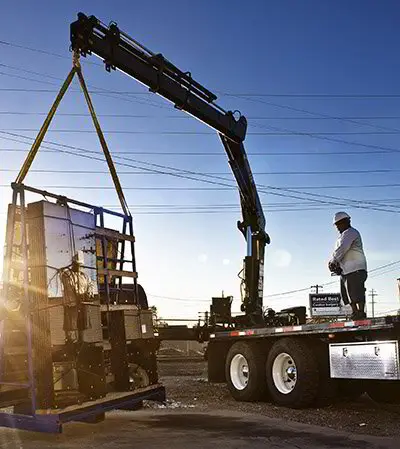
Historic districts rarely have room for a large crane. Contractors often turn to knuckle-boom trucks and compact hydraulic cranes to set roof equipment, trusses and materials over walls and into courtyards.
For those operators, the articulating crane certification prep program prepares candidates for NCCCO ABC, ABL and ABW exams. Crews running small telescopic cranes can prepare for TSS and TLL through mobile crane certification prep. Because loads often go out of the operator's view, pairing operators with a trained signalperson makes these jobs safer.
Setup is often the hardest part. Older streets can hide utilities, soft fill and fragile curbs, and adobe walls are not built to take side loads. Our instructors focus on outrigger placement, cribbing and swing clearance because mistakes there are expensive to fix on a historic property.
Altitude and mountain weather
Working at around 7,000 feet affects people as much as equipment. Fatigue sets in faster, sun exposure is intense, and temperatures swing widely from morning to afternoon. Winters bring snow and freezing nights, while summer monsoon storms can produce lightning and sudden wind.
Our instructors cover these realities in lift planning discussions, including when to postpone a pick and how to recognize fatigue in yourself or a crew member. Visiting operators from lower elevations should allow a day or two to adjust before demanding work. For more background, see our article on common mistakes in crane operation.
State rules for New Mexico crews
Santa Fe is the seat of the state government that sets New Mexico's own crane operator requirements, which apply in addition to OSHA. Confirm current rules with the state agency and NCCCO's state licensing information before you work there. Public projects may also include credential requirements in their contract documents.
Historic district projects can involve their own permitting and review steps for street use, staging and equipment placement. Those are separate from operator credentials, but they affect when and where a crane can be set up, so build them into your schedule along with certification.
NCCCO crane classes for Santa Fe supervisors and crews
Because so much Santa Fe work involves occupied buildings and public spaces, managers carry real responsibility for lift planning. The Managing Crane Safety class covers OSHA and industry compliance, planning, inspections, certification and limiting liability.
On-site sessions can combine supervisor training with operator, rigger and signalperson certification prep, and practical exams are scheduled on your equipment with our NCCCO accredited examiners. Individuals can instead join monthly prep in Seffner, which runs Friday through Monday. Optional practice slots are available the Thursday before for anyone who wants extra seat time on unfamiliar equipment.
Visit our New Mexico crane certification page for more, or check the class schedule.