
Lifting in oil and gas country
Farmington is the largest city in New Mexico's San Juan Basin, an area long tied to oil and natural gas production. Pipeline construction, well site services, equipment yards and utility work, plus commercial building in town, keep boom trucks, mobile cranes and telehandlers on the move.
Farmington NM crane certification through The Crane School comes in two forms: our instructors deliver training at your yard or facility, or your operators attend open-enrollment classes at our training center in Seffner, Florida. We do not have a New Mexico office.
Boom trucks are the workhorse
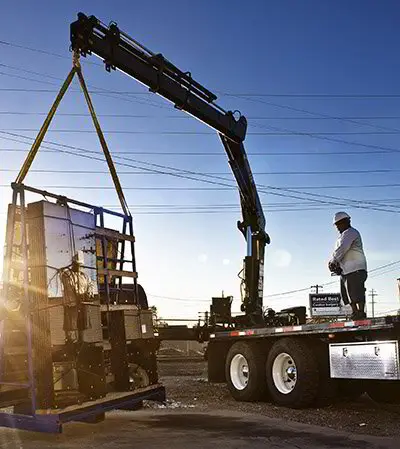
In oilfield and utility work, a lot of lifting happens with knuckle-boom and telescopic boom trucks that load pipe, set tanks, move equipment and service well sites.
- Knuckle-boom operators fit the articulating crane certification prep program, which covers NCCCO ABC, ABL and ABW exams.
- Telescopic boom truck and hydraulic crane operators can prepare for TSS and TLL through the mobile crane prep program.
- Yard crews running forklifts with booms and telehandlers can work toward NCCCO THO.
If you are not sure which exam fits a particular truck, send us the make and model before booking. Boom truck configurations vary widely, and matching each operator to the right exam saves time and retesting.
Remote sites and rough ground
Well pads and pipeline right-of-ways are often remote, unpaved and uneven. Setting up on caliche, sand or a freshly graded pad requires careful attention to ground conditions, outrigger support and level.
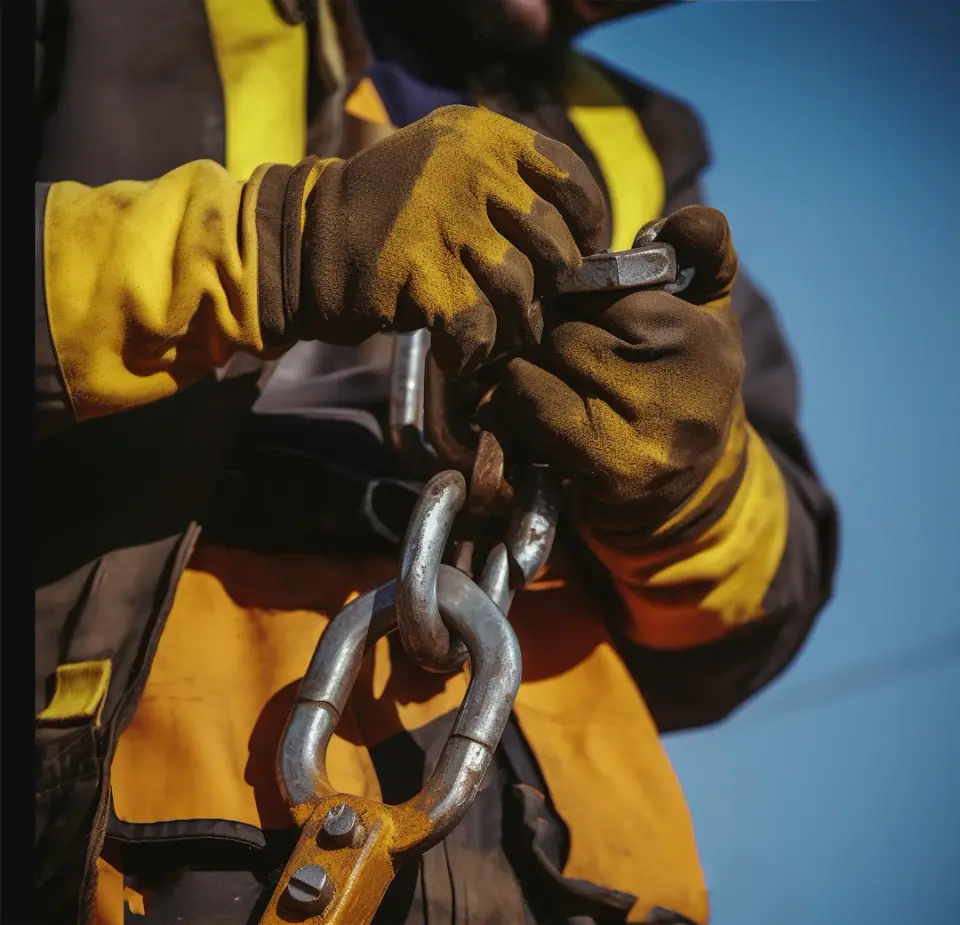
Wind and heat are also common factors in the high desert, and winter brings cold mornings. Our instructors cover these as practical skills and tie them back to exam content. The rigger qualification program is a strong addition for crews who hook and sling pipe, tanks and skid-mounted equipment every day; it prepares candidates for NCCCO Rigger Level I and II.
Remote locations also mean help is far away. A dropped load or a tip-over on a lease road has consequences that reach well beyond the crew on site, which is why pre-lift checks, communication and stopping when something looks wrong are emphasized throughout our training.
Rules across the Four Corners
New Mexico has state-level crane operator requirements in addition to federal OSHA rules. Before your crew operates, confirm what currently applies with the state agency and NCCCO's state licensing information.
Farmington crews often travel. Utah is also commonly cited for state-level crane requirements, so check Utah's rules before working there. Work on tribal lands may involve additional requirements set by the tribal government or the project owner, so confirm those as part of job planning. Colorado and Arizona are not on the commonly cited list, so federal OSHA rules govern there, though employers may set stricter rules.
Bringing Farmington crane certification to your yard
On-site training is often the practical choice for San Juan Basin companies with several operators. The instructor comes to you, trains on your trucks and cranes, and schedules practical exams with our NCCCO accredited examiners. Crews stay close to work and practice on the equipment they will use.
Individuals or companies with one candidate can join the monthly prep program in Seffner, which runs Friday through Monday. Read our guide to knuckle boom crane certification before class, and see the New Mexico crane training page for statewide information.