How Certification Works Under North Carolina's State Plan
Workplace safety here falls under a state-run program approved by federal OSHA and overseen by the North Carolina Department of Labor. Whatever a state plan adopts has to match or beat the federal standard, and on construction cranes that means 29 CFR 1926 Subpart CC: anyone at the controls needs certification from an accredited body, issued for the specific crane type. Across the state, hiring managers generally look for an NCCCO card first.
Because there is no well-known North Carolina crane license layered on top, getting ready to work here mostly means picking the correct CCO designations and preparing for both halves of each exam. Owners of plants, utilities and big general contractors frequently go further, though, and a few won't let a crew rig or signal a pick without the matching rigger or signalperson card.
To be clear about roles: the card comes from NCCCO. Our job is the instruction and exam preparation, and the accredited examiners on our staff can set up your practical.
Growth Metros, Coastal Ports and Mountain Projects
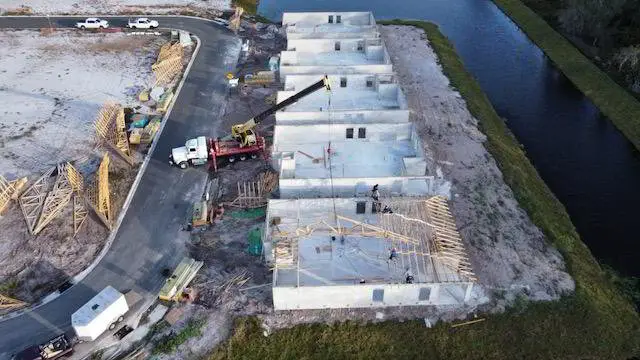
Over recent years, Charlotte and the Triangle around Raleigh and Durham have grown quickly by Southeastern standards, which keeps hospitals, campuses, apartments and office towers going up. The Research Triangle brings labs and advanced manufacturing plants too, where heavy process gear and rooftop units have to be set.
Down east, cargo moves through Wilmington and Morehead City, and both ports support marine construction. Storm season hits that side of the state hardest, so crews see pre-storm preparation followed by cleanup and rebuilding. In the Piedmont, furniture, textile and newer industrial plants supply a steady stream of machinery installs for riggers and operators.
Out west, mountain grades and tight roads complicate getting a crane in and set up, so bridge, highway and utility jobs there take careful lift planning. Near the shore, sandy ground and salty air shape both outrigger setup and maintenance routines.
Driving Down to Seffner or Hosting Us On-Site
Plenty of North Carolina students simply drive south to our facility at 10929 E. US-92 in Seffner, just east of Tampa. Expect a full day behind the wheel; in exchange you skip the plane ticket and can pack all of your own gear. The CCO written exams run at that site monthly, and our multi-week beginner courses meet full-time from Monday to Thursday, 7:00 AM until 4:00 PM. Call the office for the discounted room rate we have arranged with a local hotel.
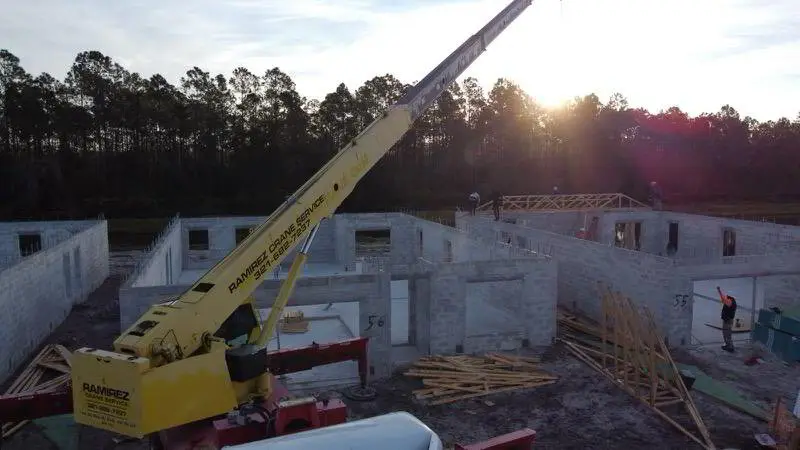
If you are an employer with several people needing cards, the other route is to have us come to you. Through on-site training, our instructors set up at your yard or job anywhere in the state and teach on the cranes your crew actually runs, and our accredited examiners can hold the CCO practicals right there.
Open-enrollment start dates are posted on the training calendar; to set up a session at your site, reach our office.
Program Choices for North Carolina Contractors
Starting from scratch
Newcomers with little or no seat time usually enroll in the beginner mobile crane operator program, available in 3-week and 5-week lengths with NCCCO testing built in. For a feel of the daily routine, read what a mobile crane training day looks like.
Already operating
Experienced hands can take the monthly Friday-through-Monday certification prep course for mobile crane operators, built around the TSS, TLL and LAT written and practical tests.
Material handling
On North Carolina's commercial and housing sites, telehandlers carry a lot of the load. Our telehandler course gets operators ready for the NCCCO THO written and practical.
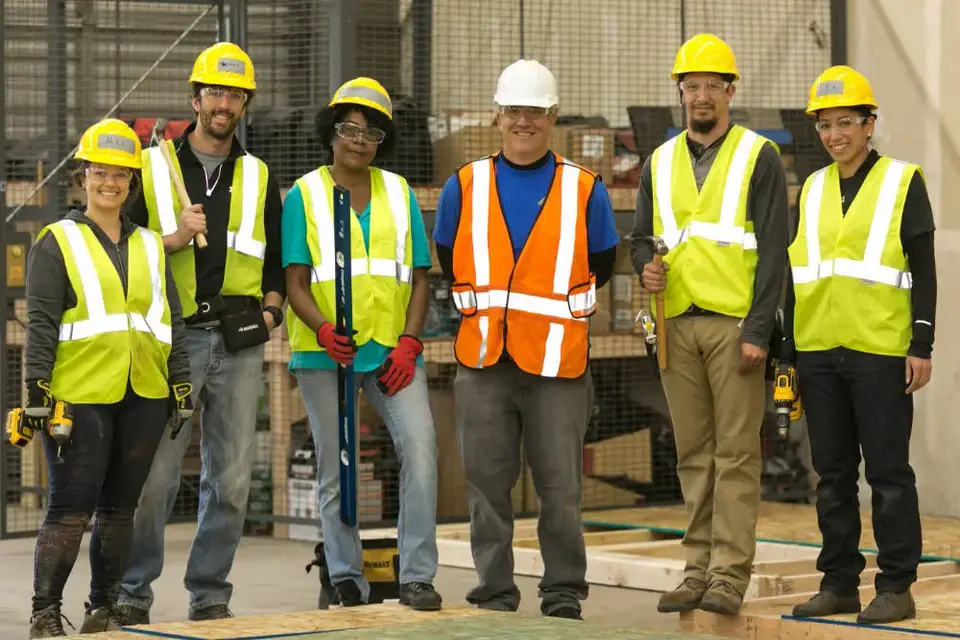
Ground crews can add signalperson or rigger training, and supervisors can take the managing crane safety class.
Preparing for Exam Day
Wherever you train, the candidates who pass tend to share a few habits. They drill load charts until the math feels automatic, they know the OSHA power line and signaling rules cold, and they log every supervised hour in the seat they can get before the practical. On test day, have a government-issued photo ID and a valid driver's license with you.
For a longer checklist, see how to pass the NCCCO exam the first time. When you sign up, our staff can explain the written-exam guarantee we publish. And sleep well the night before; fatigue is how good operators end up misreading a chart.
Career Planning in the Tar Heel State
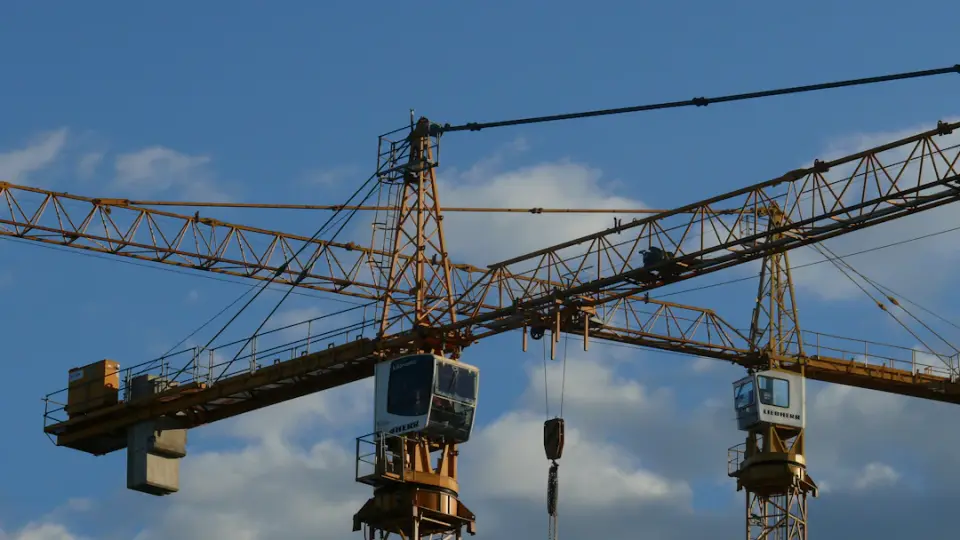
Once certified, North Carolina operators find work with rental fleets, steel erection firms, general contractors, manufacturers and utility companies. A common path is to begin on telescopic machines, pick up rigging and signal credentials, then move toward lattice boom work or supervising lifts.
Pay figures aren't something we publish. The BLS tracks state and metro data in its wage survey for crane and tower operators (opens in a new tab) (code 53-7021). Each NCCCO card lasts five years, so schedule your recertification during the last of those years.