
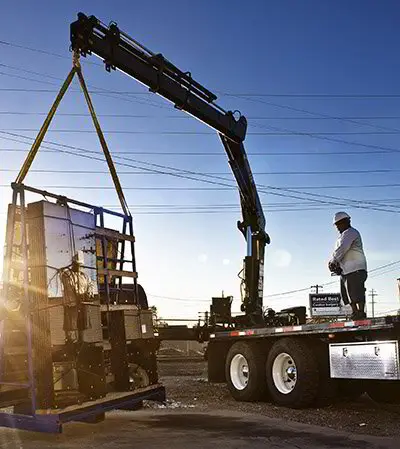
Boom truck crew resetting a utility pole after a storm near Greenville, North Carolina
Greenville & Eastern NC

NCCCO Crane Training for Greenville, North Carolina

Certification prep for utility, medical-campus and agricultural lifting crews in Greenville and Pitt County, at your site or in Florida.

Crane Work in Pitt County and the Coastal Plain

Greenville is the hub of eastern North Carolina: home to East Carolina University, a regional medical center, and a farm economy that stretches across the coastal plain. The lifting jobs that come with that are varied, from campus and hospital construction to grain and processing facilities, utility line work and bridge repairs along the Tar River.

This page covers NCCCO crane training for Greenville, NC specifically, not the city of the same name in South Carolina. Distances in the eastern part of the state are long, and crews here often cover several counties, so training that comes to your yard saves a lot of windshield time.

When Storm Season Shapes the Workload

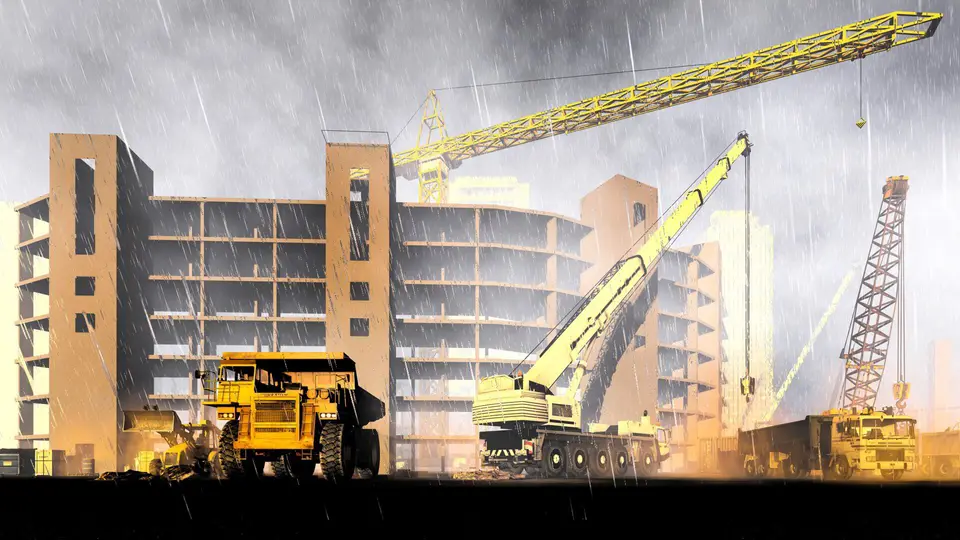
Eastern North Carolina sits in the path of Atlantic hurricanes, and heavy rain can push the Tar River out of its banks. After a storm, boom trucks and mobile cranes are out clearing damaged trees, resetting poles and lifting HVAC units back onto roofs, often in soft ground and gusty wind.

Storm work is exactly when rushed setups and missing ground-crew skills cause trouble. Before the season starts, it is worth making sure your operators are certified and your ground crew has formal training in rigging and signaling. Our article on crane safety in extreme weather is a useful refresher for supervisors.

Programs That Suit Greenville Crews

  • Utility and tree crews running knuckle-boom or boom trucks usually start with the articulating crane prep program.
  • Experienced mobile crane operators ready to test can take the mobile crane certification prep program, which covers TSS, TLL and LAT exams.
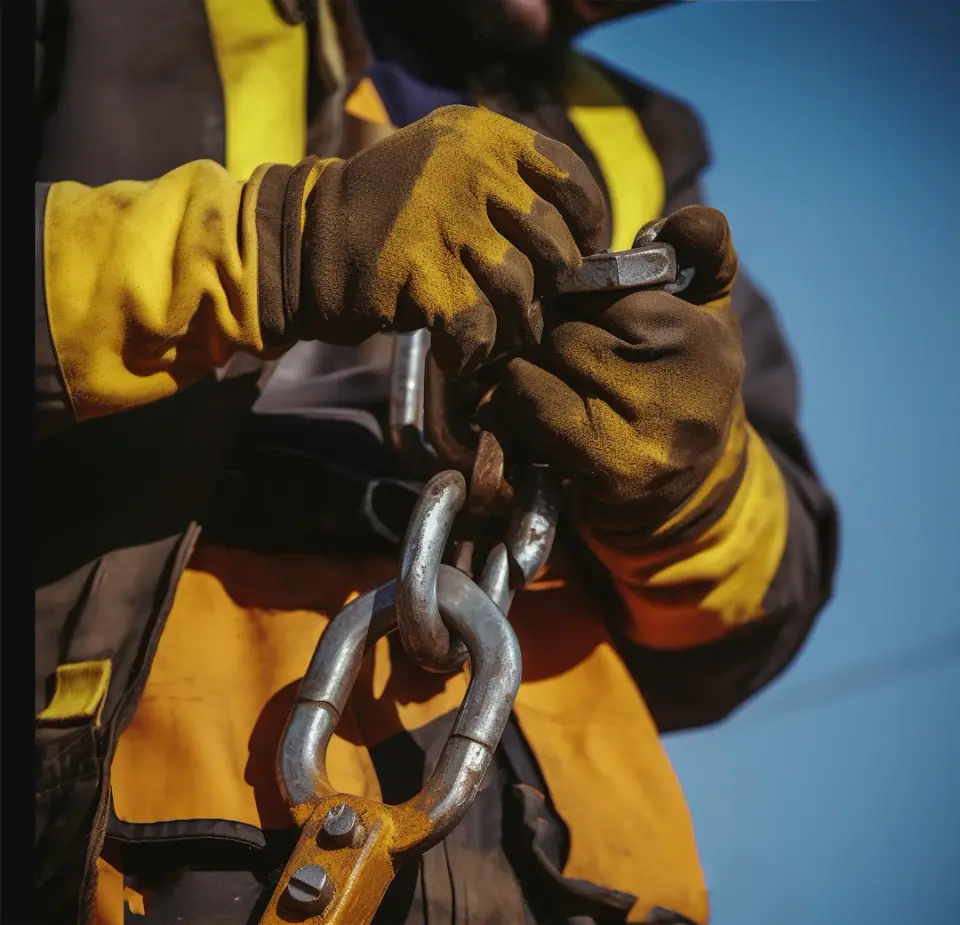
  • Ground crews benefit from rigger and signalperson programs, which also support OSHA's qualification requirements.

If you are new to cranes altogether, the initial mobile crane program in Seffner starts from the fundamentals.

Farm, Processing and Campus Lifts

Away from the storm cleanup, much of the lifting around Greenville is routine but unforgiving. Grain bins, feed mills and processing plants need equipment set, augers replaced and roof units swapped. On the university and medical campuses, picks happen next to busy sidewalks, parking decks and buildings that never close.

Both settings reward the same habits: an accurate load weight, a crane set on firm, level ground, and a clear exclusion zone. Sandy soils on the coastal plain can lose strength quickly when wet, so cribbing and outrigger mats deserve attention after heavy rain.

Operators who understand load charts and ground conditions handle those picks with less guesswork, and that is a major focus of our classroom time.

Getting Trained: On-Site or in Seffner, FL

There is no Greenville office. Our instructors travel to employers in eastern North Carolina for classroom sessions and practical exams on the company's own cranes, which keeps crews close to home and avoids long trips for several people.

Because many eastern North Carolina crews run a mix of boom trucks, knuckle booms and small hydraulic cranes, an on-site visit can cover more than one certification path. We plan the schedule after reviewing your equipment list.

Individuals can drive or fly to our Seffner training center near Tampa for a scheduled class. Use the contact form to ask about upcoming dates or to describe your crew's needs.

North Carolina has no separate crane operator license; federal OSHA crane rules, enforced through the state's own safety program, apply. See our North Carolina overview for more.
Frequently Asked Questions

Is this page for Greenville, South Carolina?

No. This page is for Greenville, North Carolina, in Pitt County. We also serve South Carolina employers through on-site training.

Can you schedule training before hurricane season?

On-site dates are set with each employer, so spring is a sensible time to request training if you want crews certified before storm season.

Do tree service and utility crews need crane certification?

When a boom truck or knuckle-boom crane is used for hoisting in construction work, OSHA's crane standard generally applies. Check your specific tasks against the standard and your employer's policy.

The Crane School

Training Programs & Services

All programs are delivered in compliance with current OSHA regulations.

Mobile Crane Operator Certification Prep Program

For experienced operators ready to certify or recertify. Includes NCCCO TSS, TLL and LAT written and practical exams.

Learn more about Mobile Crane Certification Prep

Initial Mobile Crane Operator Training Program

For people with little or no crane experience. 3-week (TSS/TLL) and 5-week (adds LAT) programs with NCCCO exams.

Learn more about Initial Mobile Crane Training (3 & 5 Week)

Articulating Crane Operator Certification Prep Program

For knuckle-boom operators. Prepares you for the NCCCO ABC, ABL and ABW written and practical exams.

Learn more about Articulating Crane Certification Prep

Rigger Qualification / Certification Program

For personnel who rig loads to cranes — supports your rigger qualification and NCCCO Rigger Level I/II exams.

Learn more about Rigger Level 1 & 2

Signalperson Qualification / Certification Program

Standard hand and voice signals for directing cranes, plus preparation for the NCCCO Signalperson exams.

Learn more about Signalperson

Managing Crane Safety Class

For managers and supervisors: OSHA compliance, lift planning, inspections, certification and liability.

Learn more about Managing Crane Safety

Telehandler Operator Program

Certification or recertification for telehandler operators. Includes the NCCCO THO written and practical exams.

Learn more about Telehandler Operator

Crane Inspection Services

Annual, monthly, post-assembly and post-incident inspections plus load testing by NCCCO-certified inspectors.

Learn more about Crane Inspections

Related Reading

Crane Operator Practice Test

Ten quick questions on crane safety rules and NCCCO basics. Pick one answer per question — your score shows on the next page.

1. Which OSHA standard covers cranes and derricks used in construction?
2. How long is an NCCCO crane operator certification valid before recertification?
3. What does NCCCO stand for?
4. Under OSHA's current construction crane rule, operator certification must be obtained by:
5. Under OSHA Table A (1926.1408), what is the minimum clearance from power lines rated up to 50 kV?
6. When is a signal person required?
7. Whose emergency stop signal must a crane operator obey?
8. What does an anti-two-block device prevent?
9. Which document gives a crane's rated capacity for a given boom length and radius?
10. Which NCCCO designation covers telescopic boom cranes with a swing cab?