Fargo's Mix of Building, Farming and Manufacturing
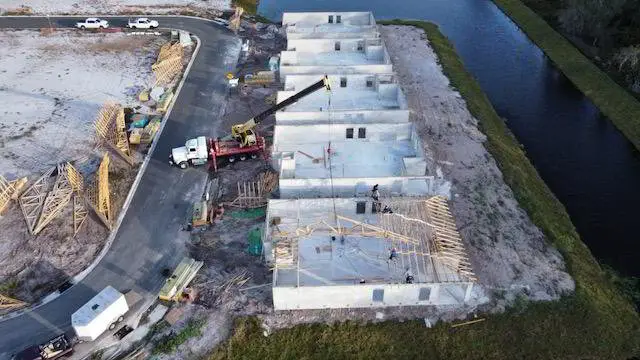
Fargo is North Dakota's largest city and the commercial center of the Red River Valley. Lifting work here follows the regional economy: commercial and campus construction, agricultural equipment manufacturing and dealers, grain handling, and warehouses that move farm and industrial goods across the northern plains.
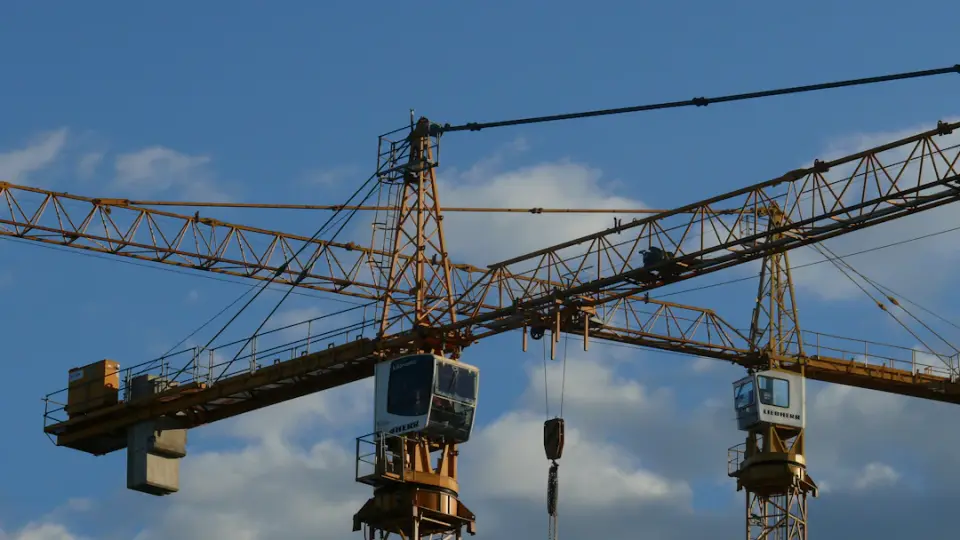
The valley is also known for spring flooding along the Red River, and years of flood-protection and infrastructure work have kept cranes busy on levees, pump stations and bridges. For employers and operators alike, NCCCO crane certification in Fargo, ND is a practical way to document that the people in the seat are qualified.
Starting a Crane Career From Fargo
A Fargo resident with no crane background has one clear path: head to Seffner, Florida and enroll in our mobile crane course for beginners. Three weeks gets you hydraulic telescopic training plus TSS and TLL testing, and two more weeks layer on lattice boom work and LAT.
With instruction packed into Monday-to-Thursday days of 7:00 AM to 4:00 PM, you keep three-day weekends to study or recharge, and a February in Florida beats one on the plains. For newcomers, the training center offers something a jobsite cannot: dedicated seat time on cranes without production pressure. Our guide to crane operator career paths explains where certification can lead.
Telehandlers on Valley Job Sites
Around Fargo, a telehandler is often the machine that sets roof trusses on a subdivision house or loads out pallets onto an upper commercial floor. Because they can be fitted with forks, buckets or a winch, they are easy to misuse when operators have not been trained on each configuration.
Winter adds another layer. Snow-covered ground hides ruts and soft spots, and frost on forks or a load can make it shift when the boom moves. Operators who understand how the load chart changes as the boom extends are far less likely to tip a machine on uneven ground.
Stability, attachments and reading the chart are all part of our telehandler training, which builds toward both halves of the NCCCO THO test. Builders with a handful of telehandler operators generally find it cheaper to host us than to send everyone away.
How Fargo Employers Usually Train
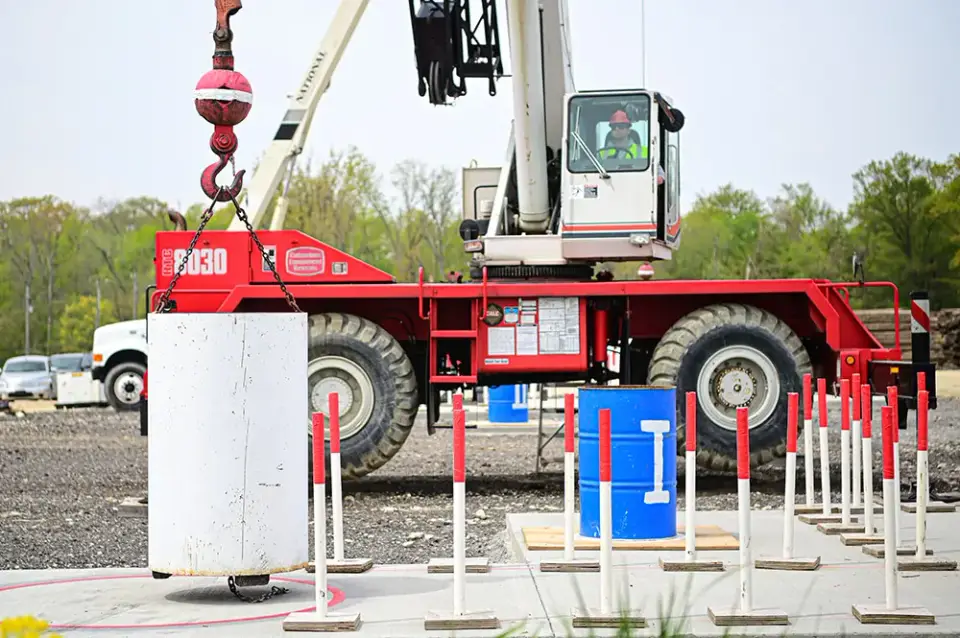
There's no Crane School location anywhere in the Dakotas. Companies typically choose on-site training at your facility: lectures in your shop or break room, then practicals on the cranes you own. Given how long the deep cold lasts here, outdoor testing tends to go smoothest between about May and September.
Planning starts with a short list of questions: your equipment, the number of people testing and on which portions, and whether a flat, clear patch of ground is available for the course. Classroom sessions need little more than a room with tables and a screen.
Individuals generally route through a connecting airport from Hector International down to Tampa, then slot into a published session. Questions about dates or a group quote can go through our contact page.
North Dakota Requirements
You won't need a North Dakota-issued crane license; the state has none. OSHA's federal standard is what applies, with type-specific certification for construction operators and the possibility of tighter employer policies. Moorhead is a different story. Minnesota adds its own operator requirements to OSHA's, so a crew crossing the Red River for work needs to verify that state's rules on their own. Our North Dakota NCCCO prep page covers state-wide options.