
Lifting Around Grand Forks
Grand Forks combines a university town, a regional medical and retail center, farm country and a nearby Air Force base. That mix produces steady work for cranes: campus buildings, sugar beet and grain processing facilities, utility upgrades, and projects tied to federal installations.
The city is also remembered for the 1997 Red River flood, and the flood walls and levees built afterward are a reminder of how much heavy construction the river has demanded. Today, crane operator certification in Grand Forks, ND is about having qualified people ready for whatever the next job requires.
The Ground Crew Matters as Much as the Cab
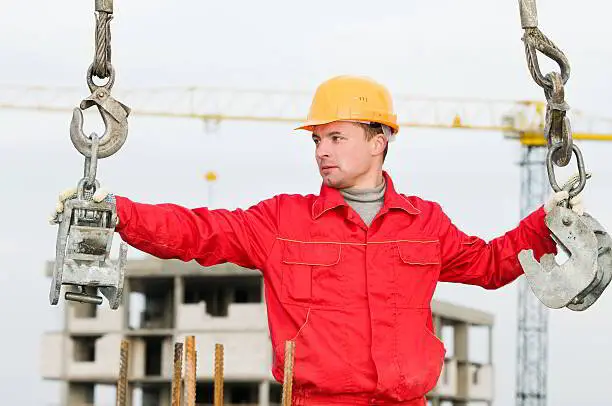
OSHA's crane standard expects more than a certified operator. Riggers must be qualified to hook up loads, and signalpersons must be qualified to direct the operator when the load or path is out of view.
- Our rigger certification program covers Level I and Level II and supports both company qualification and the NCCCO Rigger exams.
- The signalperson qualification program teaches standard hand and voice signals and prepares candidates for NCCCO Signalperson certification.
For a Grand Forks crew, training operators, riggers and signalpersons together means everyone practices the same communication before it counts. Processing plants and campus maintenance teams often have workers who rig a few times a month rather than every day. Formal training gives those occasional riggers a reliable method for estimating load weight, choosing slings and checking hardware, instead of relying on memory.
Federal and Institutional Job Sites
Work on federal property and for large institutions tends to come with tighter paperwork. Federal projects frequently follow the U.S. Army Corps of Engineers safety manual, EM 385-1-1, which has its own crane and rigging provisions, and owners often ask for proof of third-party certification before mobilization.
Supervisors who prepare lift plans and review subcontractor credentials can benefit from our Managing Crane Safety class, which covers OSHA compliance, responsibilities, planning and inspections. The Crane School has trained for organizations including the US Army Corps of Engineers and the US Bureau of Reclamation.
How Training Reaches Grand Forks
There is no Crane School location in Grand Forks. Groups can schedule on-site sessions, with classroom work at your facility and practical exams on your cranes, ideally in the warmer months when outdoor testing is safer. Bitter winter cold and wind make January testing a hard sell.
A visit typically starts with classroom review of regulations, load charts, rigging and signals, then moves outside for hands-on practice and practical exams. Sessions are planned around your equipment, so the crane your people test on is often the one they run every week.
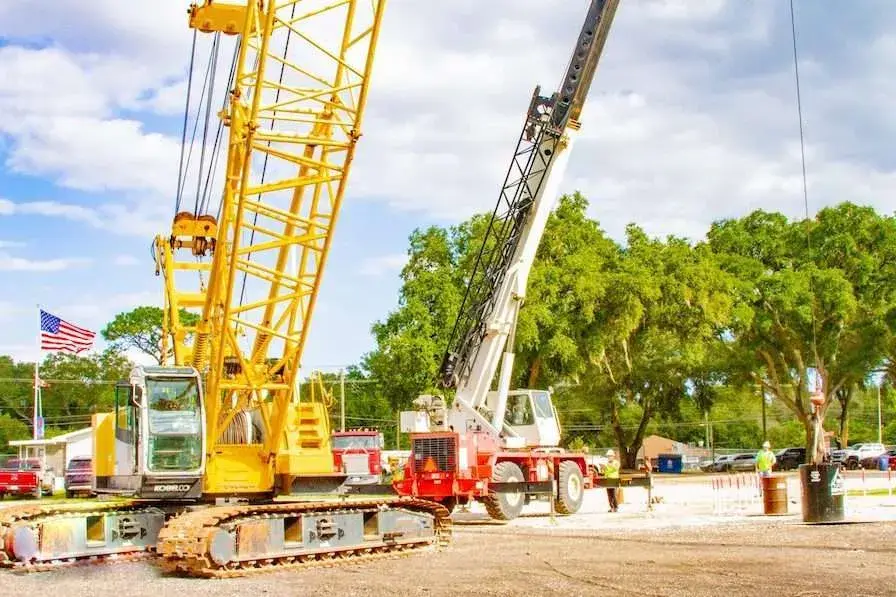
Individuals can travel to our Seffner, Florida training center, near Tampa, where CCO written exams are offered every month. Reach out through our company training form to discuss a group visit.
Licensing in North Dakota
North Dakota has no separate state crane operator license, so federal OSHA rules govern, and employers or project owners may add stricter requirements. Crews based in Grand Forks that cross into East Grand Forks or elsewhere in Minnesota should confirm that state's crane operator requirements with its state agency and NCCCO's licensing information before working there. Our North Dakota crane certification overview has more state-level detail.