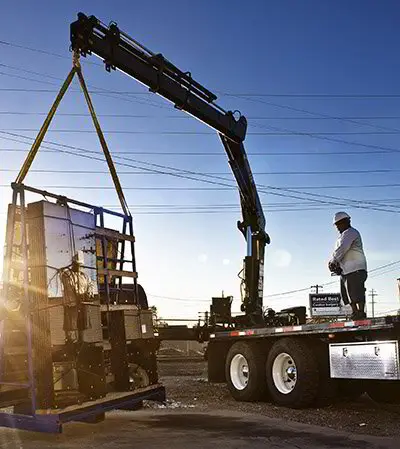
Knuckle-boom picker truck handling pipe on an oilfield pad near Minot, North Dakota
Minot, North Dakota

NCCCO Crane Training for Minot and the Bakken Region

Certification prep for oilfield service, wind and construction crews working out of Minot and northwestern North Dakota.

Oil, Wind and Construction Out of Minot

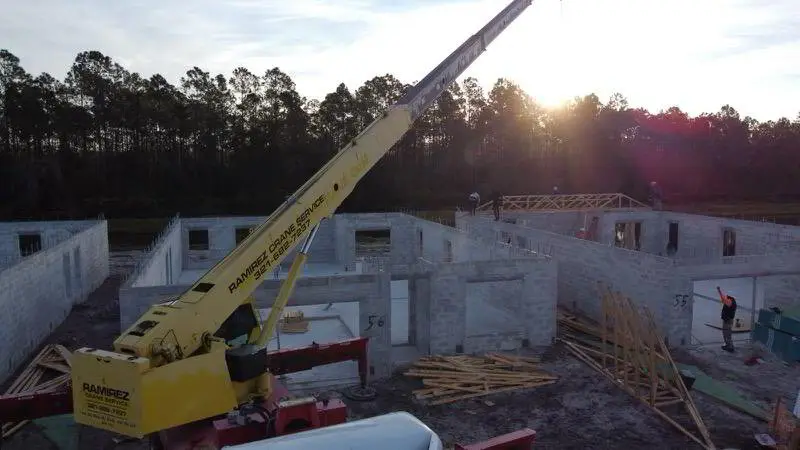
Minot serves as a gateway to the Bakken oil region of northwestern North Dakota, and many oilfield service companies run crews and equipment out of the area. Add wind energy projects on the open prairie, work connected to Minot Air Force Base, and ordinary commercial construction, and you have a market where cranes and boom trucks see steady use.

NCCCO crane training in Minot, ND has to account for that variety: picker trucks on well pads, mobile cranes setting tanks and equipment, and rigging crews who move heavy, awkward loads in remote spots.

Picker Trucks and Knuckle Booms in the Oil Patch

Oilfield work relies heavily on picker trucks and knuckle-boom cranes for moving pipe, setting equipment and handling rig components. Operators who already have experience on these machines can prepare for the NCCCO ABC, ABL and ABW exams through our articulating crane certification program.

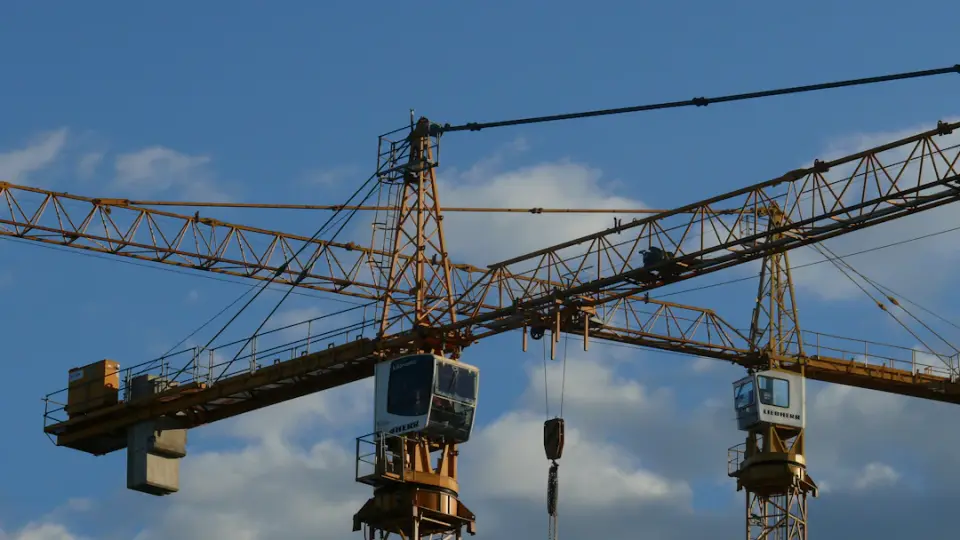
Telescopic boom cranes used on larger sets fall under the mobile crane certifications. If you are not sure which exam fits the machine you run, send us the make, model and how you use it, and we will help you sort it out. The Crane School has trained for energy-sector organizations including Halliburton and Mobil Oil.

Remote Sites, Long Days, Big Weather

Well pads and wind sites are often far from help, so a dropped load or a tip-over is even more serious than usual. Ground conditions change fast with spring thaw and summer rain, and high winds across the prairie can shut down lifts with little warning.

Habits that keep remote lifts safe

  • Confirm load weights rather than estimating them.
  • Check wind speed against the manufacturer's limits before and during the lift.
  • Use mats or cribbing sized for the outrigger loads on soft pads.
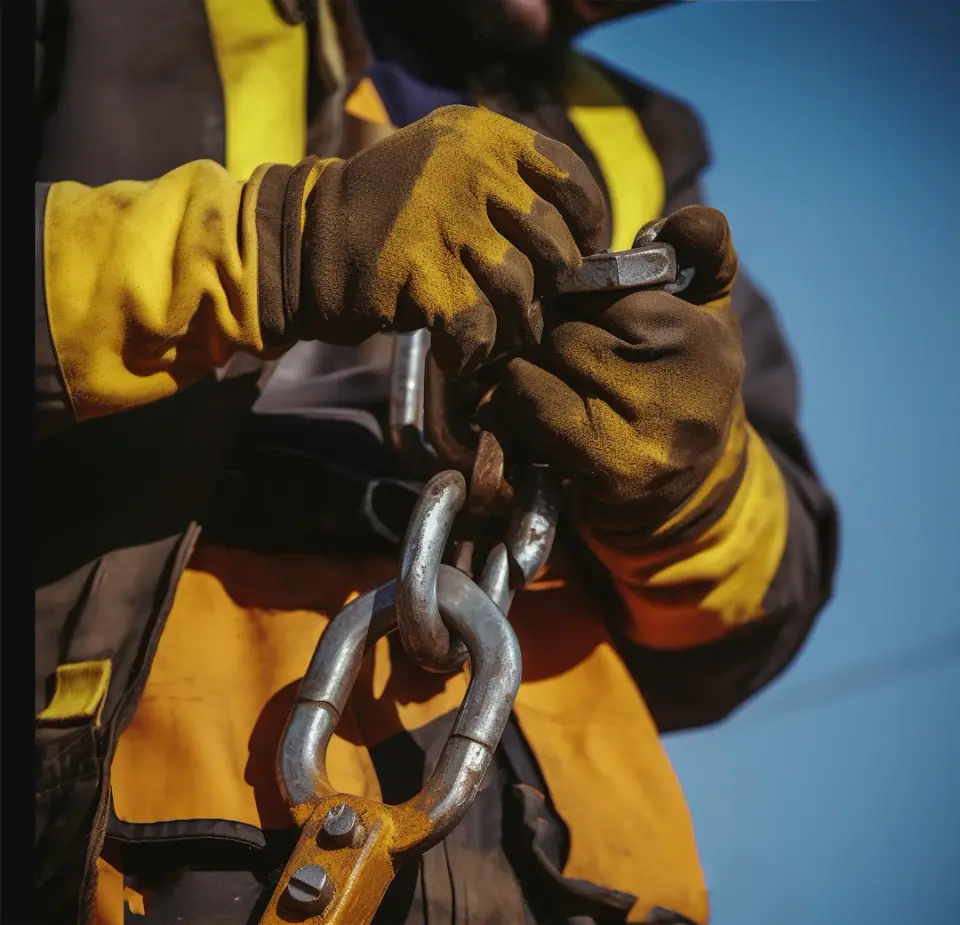
  • Make sure the person rigging is trained and inspecting gear before each use.

Pairing operators with rigger training reinforces those habits across the whole crew.

Getting Certified Without a Local Office

The Crane School is based in Seffner, Florida and has no Minot office. Companies with a crew to certify can bring our instructors and accredited practical examiners to their yard for classroom work and exams on company equipment, which avoids pulling several people off rotation at once.

On-site sessions combine classroom review with practical exams on your own equipment, so operators test on the picker trucks and cranes they use on location. Riggers and signalpersons can join the same visit, which helps when the person hooking up the load is also the one directing the operator.

Individual operators can fly to Tampa and attend open-enrollment classes in Seffner. A training trip can also fit neatly into a long break between hitches. Check the class calendar to line a trip up with your days off.

North Dakota Rules

North Dakota does not require a separate state crane license. Federal OSHA rules govern, and operators, oil companies and site owners may set stricter requirements. Many producers and service companies run their own contractor-qualification systems, so keep certification cards and training records where a site supervisor can check them quickly. Crews that also work across the border in Montana should check that state's requirements, since Montana has its own crane rules in addition to OSHA. For more state-level context, visit our North Dakota NCCCO page.
Frequently Asked Questions

Which NCCCO certification covers oilfield picker trucks?

Most picker trucks are articulating boom cranes, covered by NCCCO's ABC, ABL or ABW certifications depending on configuration. Telescopic boom trucks fall under the mobile crane program.

Can you test our Minot crew between rotations?

On-site sessions are scheduled with each employer, so we can work around your crew rotation when dates are available.

Is The Crane School connected with any Minot employer?

No. We are an independent training provider in Seffner, FL and travel to employers who request on-site training.

The Crane School

Training Programs & Services

All programs are delivered in compliance with current OSHA regulations.

Mobile Crane Operator Certification Prep Program

For experienced operators ready to certify or recertify. Includes NCCCO TSS, TLL and LAT written and practical exams.

Learn more about Mobile Crane Certification Prep

Initial Mobile Crane Operator Training Program

For people with little or no crane experience. 3-week (TSS/TLL) and 5-week (adds LAT) programs with NCCCO exams.

Learn more about Initial Mobile Crane Training (3 & 5 Week)

Articulating Crane Operator Certification Prep Program

For knuckle-boom operators. Prepares you for the NCCCO ABC, ABL and ABW written and practical exams.

Learn more about Articulating Crane Certification Prep

Rigger Qualification / Certification Program

For personnel who rig loads to cranes — supports your rigger qualification and NCCCO Rigger Level I/II exams.

Learn more about Rigger Level 1 & 2

Signalperson Qualification / Certification Program

Standard hand and voice signals for directing cranes, plus preparation for the NCCCO Signalperson exams.

Learn more about Signalperson

Managing Crane Safety Class

For managers and supervisors: OSHA compliance, lift planning, inspections, certification and liability.

Learn more about Managing Crane Safety

Telehandler Operator Program

Certification or recertification for telehandler operators. Includes the NCCCO THO written and practical exams.

Learn more about Telehandler Operator

Crane Inspection Services

Annual, monthly, post-assembly and post-incident inspections plus load testing by NCCCO-certified inspectors.

Learn more about Crane Inspections

Related Reading

Crane Operator Practice Test

Ten quick questions on crane safety rules and NCCCO basics. Pick one answer per question — your score shows on the next page.

1. Which OSHA standard covers cranes and derricks used in construction?
2. How long is an NCCCO crane operator certification valid before recertification?
3. What does NCCCO stand for?
4. Under OSHA's current construction crane rule, operator certification must be obtained by:
5. Under OSHA Table A (1926.1408), what is the minimum clearance from power lines rated up to 50 kV?
6. When is a signal person required?
7. Whose emergency stop signal must a crane operator obey?
8. What does an anti-two-block device prevent?
9. Which document gives a crane's rated capacity for a given boom length and radius?
10. Which NCCCO designation covers telescopic boom cranes with a swing cab?