Energy, Aerospace and a Growing Skyline
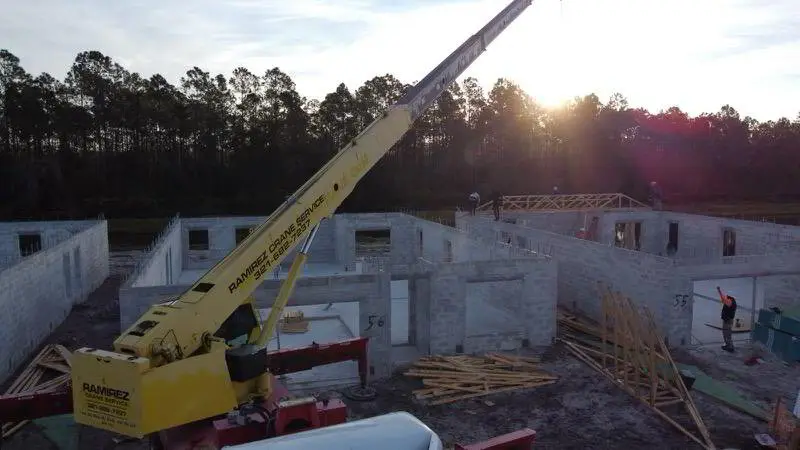
Besides being Oklahoma's capital, OKC has been an oil and gas town for generations, and energy producers and oilfield service outfits are spread throughout the metro. Throw in the aircraft maintenance and aerospace activity at Tinker Air Force Base, plus steady building downtown and in the suburbs, and there's plenty for tower and mobile cranes to do.
That variety means crane operator training in Oklahoma City has to stretch from picker trucks in a service yard all the way to big hydraulic units on commercial jobs.
Oilfield Service and Yard Work
Oilfield service companies use cranes to load and unload equipment, handle pipe and tanks, and support work at well sites around the state. Much of it happens far from town, on pads and lease roads where ground conditions change after rain.
Hands who already run telescopic boom machines can get a first card or a renewal from our TSS, TLL and LAT prep weekend. If your truck carries a knuckle boom, the NCCCO articulating exams are the better target. Halliburton is among the organizations we've trained for, so oilfield lifting isn't foreign territory to our instructors.
Industrial and Aerospace Settings
Inside a hangar, a factory or a utility plant, the loads are expensive, the clearances are slim, and the procedures leave little room for improvising. Cab, rigging and signals all have to move in lockstep there.
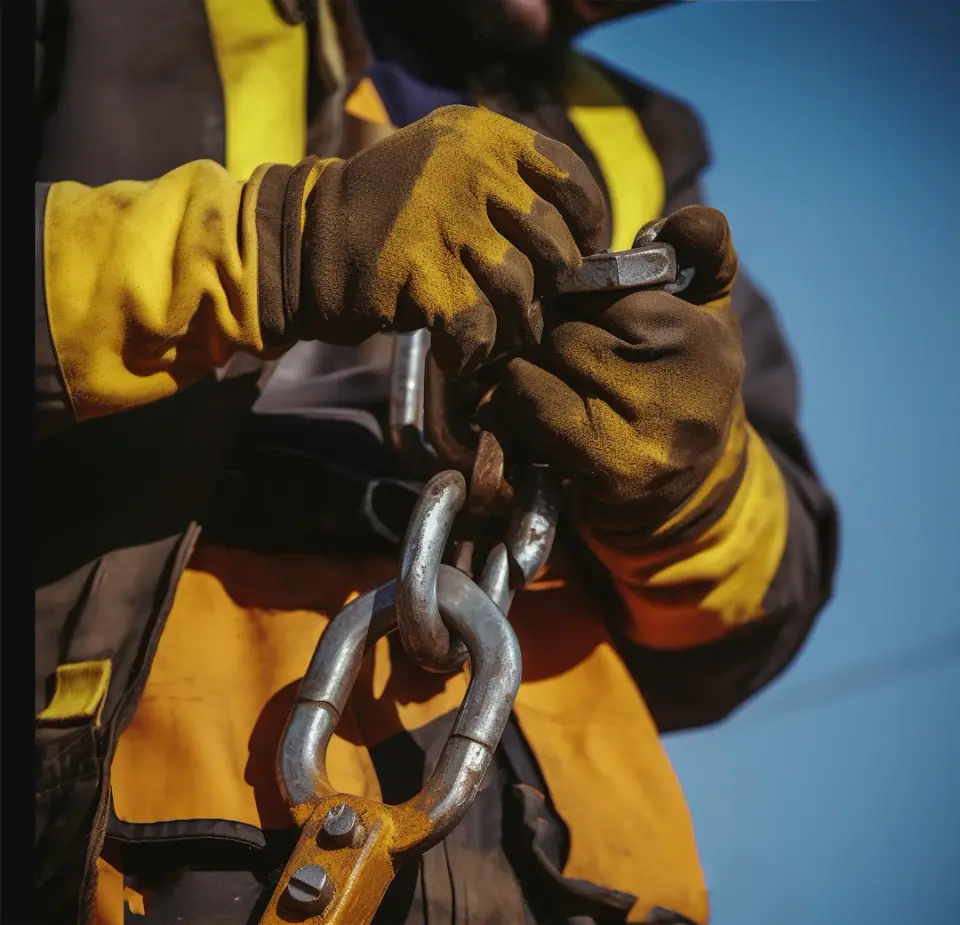
We help employers qualify their riggers through our rigging course, which also lines candidates up for NCCCO Rigger Level I and II. Those who draw up and approve lifts can take Managing Crane Safety, a class focused on duties, inspections and staying compliant.
Fleet inspections
Mobile, articulating and overhead units can be checked by our NCCCO-certified inspectors on an annual, periodic or post-incident basis; see our inspection services.
Downtown and Suburban Building
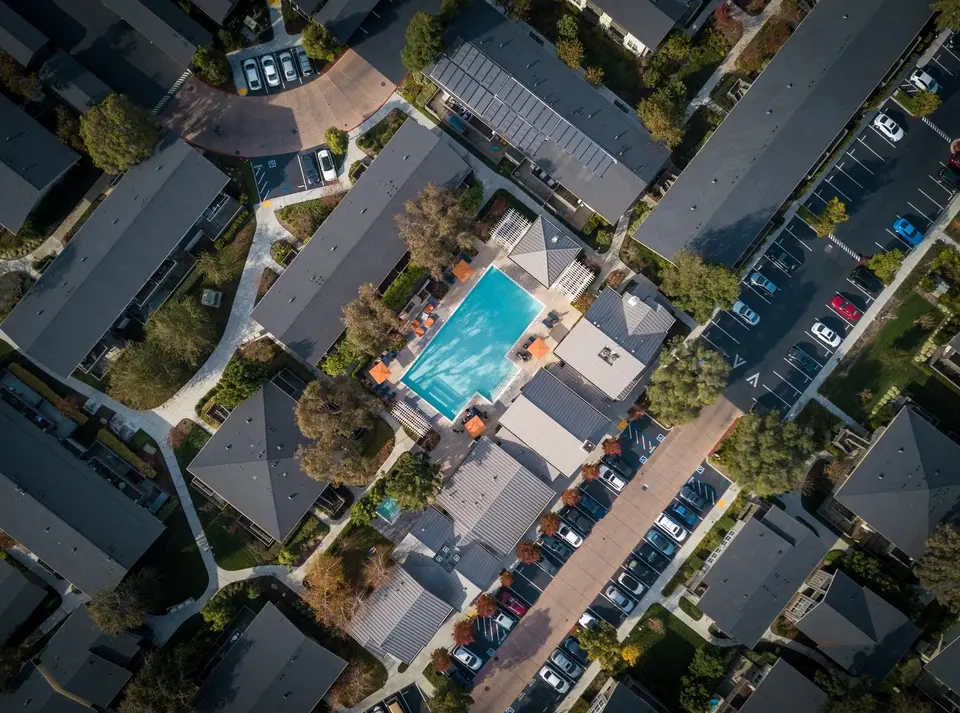
Oklahoma City's downtown, medical district and growing suburbs keep commercial cranes in demand. Downtown work brings tight streets, adjacent buildings and pedestrians; suburban jobs bring large sites with soft ground and overhead power lines along the roads.
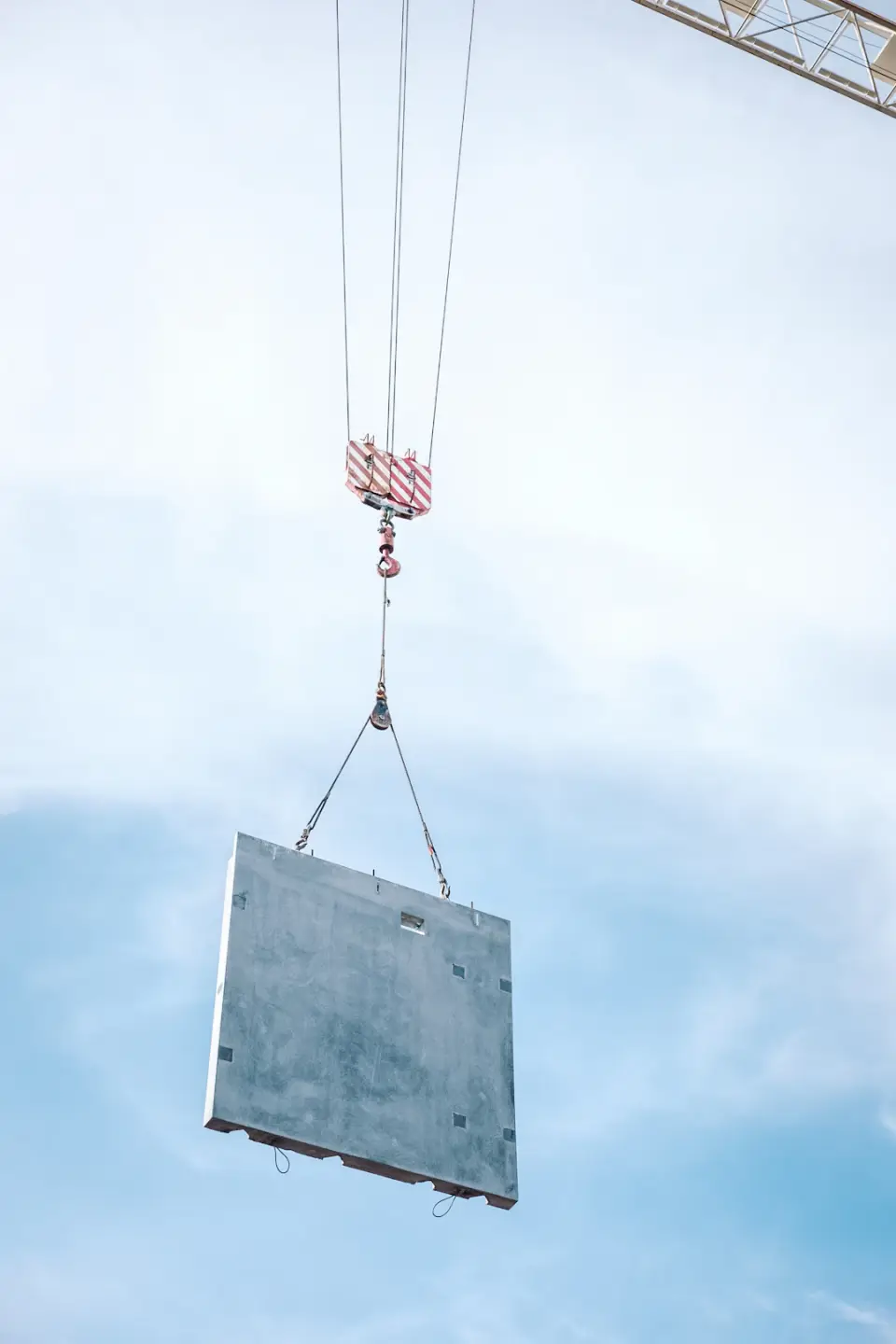
Operators in both settings benefit from solid load chart skills, since capacity drops quickly as the radius grows and many lifts are near the edge of the chart. Someone hoping to get into commercial crane work from scratch can head to Seffner for three or five weeks of beginner training that ends with NCCCO written and hands-on testing.
Crews who already hold certifications and want a refresher can read our post on load calculations and crane safety.
Two Ways OKC Crews Train
Nothing of ours is located in Oklahoma; home base is Seffner, Florida. OKC companies with several candidates book instructors and an accredited examiner to visit, hold class on site and test operators on the firm's own cranes.
A lone operator can catch a flight out of Will Rogers World Airport to Tampa and sit in on a Seffner open-enrollment session. Central Oklahoma's hot summers and stormy springs affect outdoor work, so plan on-site testing with weather in mind. Dates are posted on our schedule page.
Since Oklahoma doesn't issue its own crane license, the federal OSHA standard sets the requirement. Energy companies and site owners often add contractor-qualification requirements. For training elsewhere in the state, see our Oklahoma overview.