
From the Oil Capital to an Inland Port
Tulsa was once called the Oil Capital of the World, and refining and energy remain part of its economy. Barges reach northeast Oklahoma through the Tulsa Port of Catoosa, which sits where the McClellan-Kerr Arkansas River Navigation System begins, and aircraft maintenance and manufacturing have been part of Tulsa's economy for generations.
Heavy picks are routine in every one of those sectors, which is why contractors across Green Country write NCCCO crane certification in Tulsa into their requirements for plants, terminals and jobsites.
Barge Terminals and Heavy Cargo
Port work brings oversized cargo, steel, project components and bulk materials across docks and onto trucks or rail. Lifts may involve barges that shift with the water, loads with uncertain centers of gravity, and lattice boom crawler cranes working near the waterline.
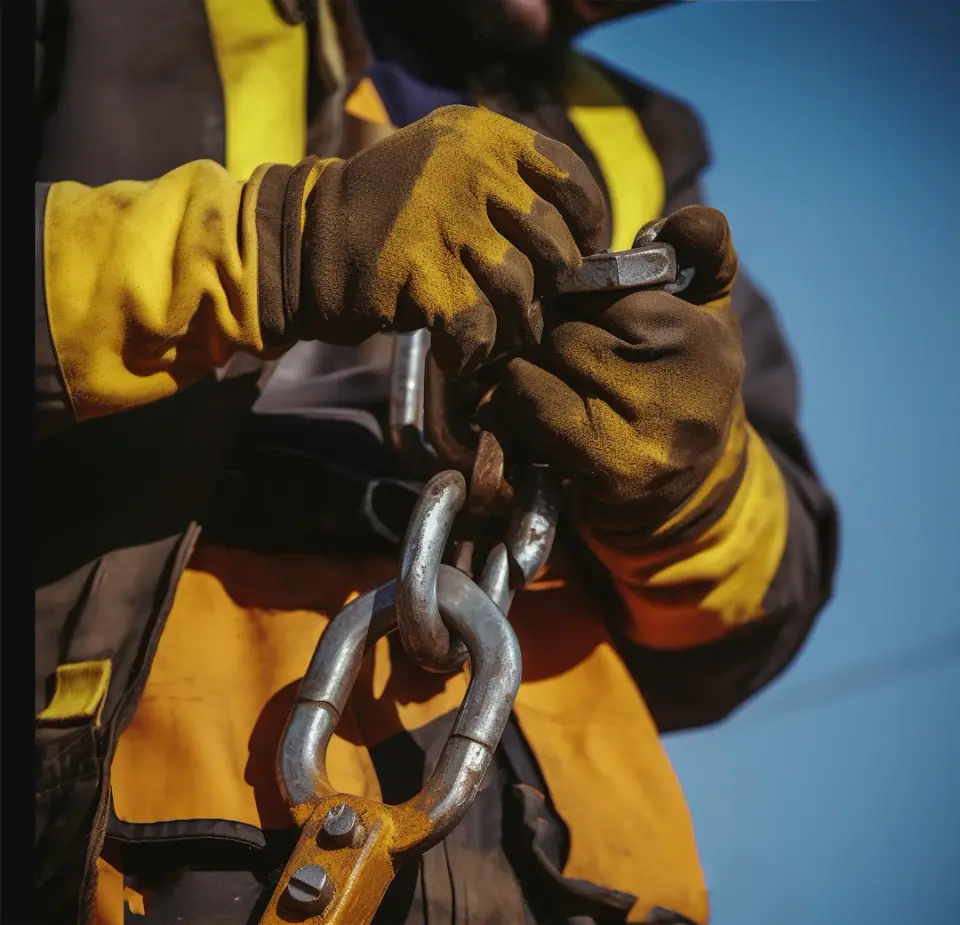
If you already have seat time, our prep course for mobile crane certification gets you ready for LAT as well as TSS and TLL. On the dock, crews get the most from rigging qualification and certification: estimating load weight, finding center of gravity, working out sling angles and checking hardware, all aimed at the NCCCO Rigger exams.
Refineries, Plants and Hangars
Refineries and industrial plants schedule turnarounds and shutdowns, with many contractors and cranes working in tight areas. Aerospace facilities handle high-value components with close clearances. Whether it is a plant or a wharf, the operator can only be as safe as the directions coming from the ground.
Our signalperson course drills the standard hand and voice signals and readies candidates for both parts of the NCCCO Signalperson test. Pairing signalperson and operator training helps crews communicate the same way on every lift.
Weather in Green Country
Spring storms, hail and tornado warnings are common in northeastern Oklahoma, and summers are hot and humid. Build weather checks into every lift plan, and keep wind and lightning stop-work rules clear. Oklahoma summer heat also takes a toll on anyone spending afternoons in a cab or on sun-baked concrete; put the critical picks in the morning and keep drinking water nearby.
Recertification for Tulsa's Veteran Operators
Tulsa has many operators who have run cranes for decades and earned their first CCO cards years ago. A CCO card lasts five years. Starting the renewal during its final year keeps you from going uncertified between cards.
In Seffner, the monthly mobile crane prep session starts with Friday practicals, spends Saturday and Sunday in the classroom and wraps up with written exams on Monday morning. If you want extra seat time first, hourly practice blocks can be booked for that Thursday. For employers with several operators due at once, an on-site recertification session in Tulsa is often more practical.
Even veterans pick up bad habits, a point we make in our article on why continuing crane training pays off.
Training On-Site in Tulsa or in Seffner, FL
The Crane School has no Tulsa office. For a group, the simplest arrangement is often to bring our instructors and accredited practical examiners to your Tulsa facility, where classroom work and testing happen on your own cranes.
Solo students usually take a flight from Tulsa International to Tampa and join an open class in Seffner. Ask about the next open dates by sending us a message.
No Oklahoma-specific crane license exists, which leaves federal OSHA in charge — though a refinery or port authority can always ask for more. For more, see our Oklahoma crane training overview.