Two Layers of Rules for Pennsylvania Operators
Pennsylvania crane operator certification has a Harrisburg piece as well as a federal one. The Commonwealth is regularly named among the handful of states with state-level crane operator requirements stacked on top of OSHA. Do your homework before the first shift: find out what the responsible Pennsylvania agency currently asks for, and read NCCCO's notes on how the state treats CCO credentials, because both can change.
The federal piece will look familiar to anyone who has worked elsewhere. Federal OSHA enforces Subpart CC on Pennsylvania construction sites, and paragraph 1926.1427 keeps operators off covered cranes until they hold an accredited certification or pass an approved qualification program. In most cases that means NCCCO certification for each crane type you run. NCCCO is independent; it tests and certifies, while schools such as The Crane School prepare candidates for the exams.
Philadelphia adds a city layer
Philadelphia is commonly cited among U.S. cities with their own crane rules. If your work takes you inside city limits, check local requirements in addition to state and federal ones. Our Pennsylvania crane safety certification page gives more background on preparing for work in the state.
Steel Heritage, Shale Gas and the Distribution Corridor
Pennsylvania's lifting work is as varied as its geography. Pittsburgh grew up around steel, and its three rivers are lined with bridges, terminals and industrial sites that still need heavy lifting for maintenance and rebuilding. Fabrication and manufacturing remain important across the western half of the state.
The Marcellus Shale brought natural gas development to large parts of Pennsylvania. Well pads, compressor stations and pipeline projects call for cranes and boom trucks on rural roads and hilly terrain.
In the east, Philadelphia's port, hospitals, universities and high-rise construction keep tower and mobile cranes active. The Lehigh Valley and the Harrisburg area have seen extensive warehouse and distribution construction, with tilt-up panels, steel erection and rooftop equipment sets.
Hills, rivers and winter
Steep grades, narrow access roads and freeze-thaw cycles all affect setup. Operators who learn to evaluate ground conditions and level a crane on uneven terrain are valued on Pennsylvania jobs.
Bringing Training to Pennsylvania or Coming to Florida
The Crane School is based in Seffner, Florida, and serves Pennsylvania in two ways.
A shale contractor in Washington County or a steel erector outside Allentown can book us to teach in its own shop. Because Accredited Practical Examiners travel with our team, the NCCCO hands-on test can be laid out right there on your crane, and nobody loses a week to airports.
Prefer a fixed date? Fly to Tampa and join an open class at our Seffner yard. Written tests are held at headquarters monthly, and hourly seat time on our machines lets you warm up before the practical. Winter, when outdoor work slows down, can be a convenient time to schedule it.
Keep in mind that Pennsylvania's state requirements may involve steps beyond passing NCCCO exams. We prepare you for the certification exams; the state process is yours to complete. Reach out to us if you want help planning around both.
Choosing Courses for Pennsylvania Job Types
- Gas field and pipeline hands with years on hydraulic cranes usually just need our monthly four-day review before sitting for TSS, TLL and LAT.
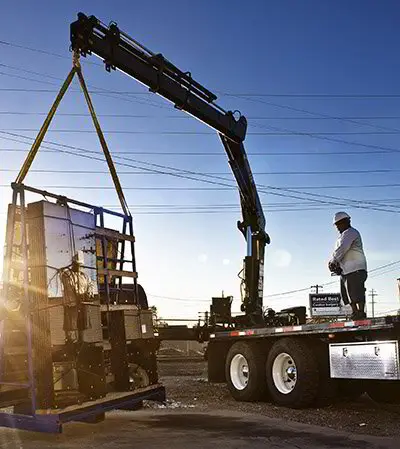
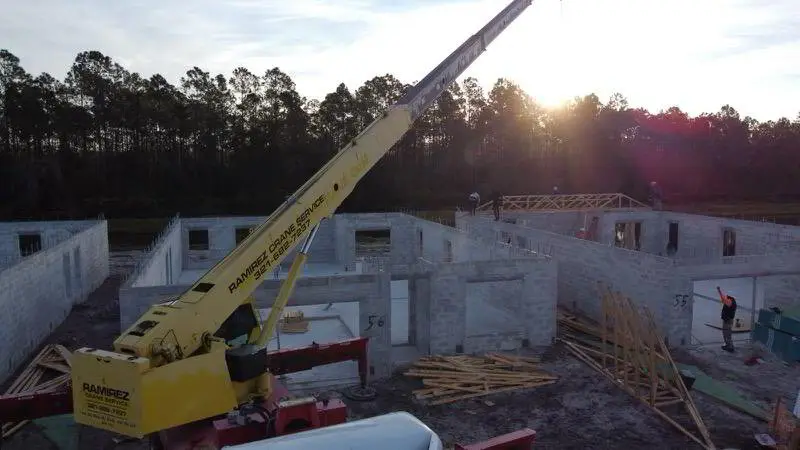
- Drivers who drop drywall, block and roof trusses with a knuckle boom need a different card; our knuckle boom prep course covers the three NCCCO articulating designations.
- Newcomers to cranes need the initial mobile crane training program, which runs three or five weeks depending on whether lattice boom is included.
Steel erection and tilt-up work depend heavily on rigging. Pennsylvania contractors frequently add rigger and signalperson qualification so the ground crew meets OSHA's Subpart CC requirements alongside the operator.
Exam Preparation That Matches Pennsylvania Work
NCCCO exams are national, but you can prepare in a way that fits the work you do. Operators coming from shale country should be comfortable with load charts for rough-terrain and truck cranes, and with power line rules under 1926.1408, since gathering lines and distribution lines are common near rural sites.
Operators in Philadelphia or Pittsburgh who work in tight urban lots should focus on working radius, blind picks and signal communication. The practical exam rewards smooth, controlled movements, which is the same skill you need when swinging over traffic or neighboring buildings.
If you have not taken a written exam in years, start early. Our article on crane operator certification requirements lays out what NCCCO expects, and our classroom prep walks through practice questions so the test format is familiar before exam day.
Long-Term Careers in Pennsylvania's Crane Trade
Experienced operators in Pennsylvania often hold several crane type certifications and add rigging or lift-director credentials over time. Your CCO card carries a five-year expiration date; start the renewal a year out so a busy season does not leave you uncarded.
Because Pennsylvania has its own requirements, also keep track of any state credential you hold and when it needs renewing. Losing track of one while keeping the other current can still keep you off a job. A simple wallet card or phone note listing both expiration dates is an easy fix.
Pay differs between Philadelphia, Pittsburgh and the northern tier, and the federal BLS wage estimates for crane operators (opens in a new tab) show those differences by metro area.
If you are early in your career, look for employers who will let you work as an oiler or rigger while you build seat time. Many Pennsylvania operators got their start that way, learning setup, rigging and signals from experienced hands before taking the controls full time. Our crane jobs page is one place to start looking.