
Crane Work in a Dense, Historic City
Philadelphia is the largest city in Pennsylvania, with a crowded downtown, major hospital and university campuses, and port terminals along the Delaware River. High-rise towers, lab buildings and apartment projects rise next to rowhomes and historic buildings, often on narrow streets with little room to stage.
That density makes crane operator training in Philadelphia about more than operating skill. Operators, riggers and signalpersons need to coordinate lifts over sidewalks, around neighbors and between existing structures.
City and State Rules Come First
Pennsylvania has state-level crane operator requirements in addition to OSHA, and Philadelphia is also commonly cited for city-level crane requirements. Confirm current rules with the state agency, the City of Philadelphia and NCCCO's state licensing information before you work there.
NCCCO certification is commonly part of meeting those requirements, but it may not be the only step. Check the current rules for your crane type and project, and keep documentation available on site. Our Pennsylvania crane safety certification page offers more background.
Crews from New Jersey and Delaware regularly work in Philadelphia, and Philadelphia crews often cross the river. New Jersey also has state-level crane operator requirements in addition to OSHA, so confirm current rules with that state's agency and NCCCO's state licensing information before working there.
Tight Sites Depend on the Ground Crew
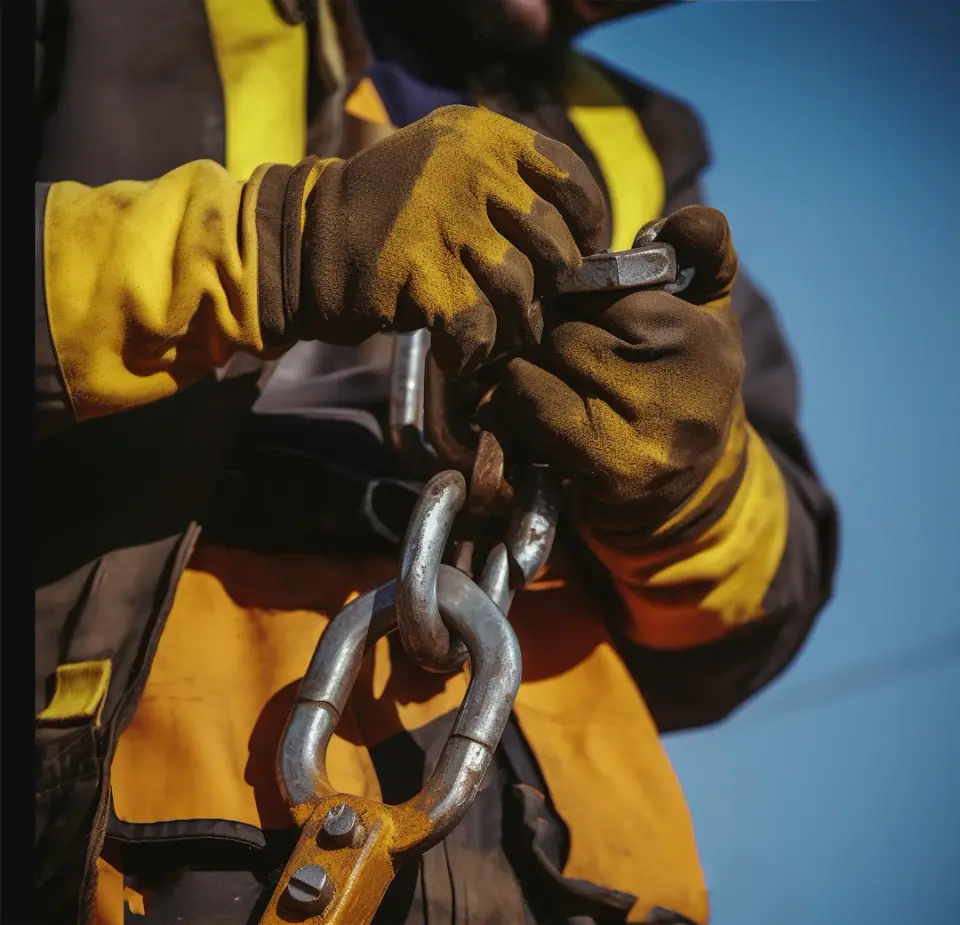
Picture a rooftop unit going onto a Center City building from a crane parked on the street below. The operator sees the boom tip and little else; a rigger on the sidewalk hooked the load, and a signalperson on the roof is talking the operator through the landing. Every person in that chain has to be trained.
For the people on the hook, our rigger qualification and certification training works through weight estimates, hitches, sling angles and hardware checks, with NCCCO Rigger exams available. For the voice on the radio, the signalperson program drills standard signals and prepares candidates for NCCCO Signalperson certification.
Port and river work
Terminals along the Delaware River handle heavy and oversized cargo, and some of the biggest picks use crawler cranes. Seasoned operators who want lattice boom certification can sit the NCCCO LAT exams, plus the telescopic TSS and TLL exams, through the Friday-to-Monday mobile crane prep class.
Weather Along the Delaware
Philadelphia winters bring snow, ice and cold wind between tall buildings, which can funnel gusts in unexpected directions. Summer heat and humidity wear on crews, and thunderstorms can roll in quickly.
Street work brings its own logistics. Lifts over sidewalks and roadways usually require closures, flaggers and coordination with neighbors, and setting outriggers on street plates or over vaults and utilities needs careful checking. A written lift plan that accounts for everything beneath and around the crane is standard practice on urban sites.
Check wind limits at the boom tip, not just at street level, and plan lifts of broad loads for calmer parts of the day. Recheck ground support on temporary platforms and street plates after heavy rain.
On-Site Training or Travel to Seffner
We have no office in Philadelphia. When a contractor, hospital system or terminal operator books a group session, our instructors teach in your meeting space and our accredited practical examiners test candidates on your cranes. Individuals can fly from Philadelphia International to Tampa and train at our Seffner, Florida center. Use our company training form to start planning, and see our Pennsylvania NCCCO prep page for state-wide context.