
A Port City With Heavy Lifting Needs
Container traffic through the Port of Charleston ranks it among the East Coast's busiest, and the industry clustered nearby keeps cranes working — new warehouses and logistics hubs, dock and marine jobs, factories, and bridge and highway work throughout the Lowcountry. Downtown, building work happens on constrained historic streets where every setup is planned to the foot.
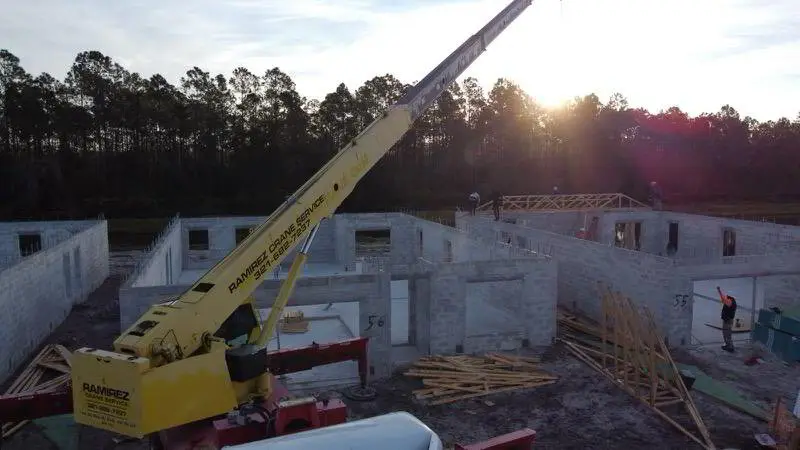
Crane operator training in Charleston, SC has to prepare people for that range, from a hydraulic truck crane setting trusses to a lattice crawler on a marine project. Each of those machine types has its own NCCCO (National Commission for the Certification of Crane Operators) exam, and we prepare candidates for all of them.
Ground, Water and Weather on the Coast
Low-lying coastal sites bring soft soils, high water tables and marsh edges. Operators need to understand how outrigger loads and crawler bearing pressure interact with ground that looks firm but is not. On Lowcountry soil, you can expect a site assessment, mats and cribbing before any crane goes up. Operators who learned on firm inland ground sometimes underestimate how quickly a coastal site can change after a heavy rain or a king tide.
Then there is the Atlantic hurricane season, roughly June through November. Every crew needs a routine for laying down or securing booms before a storm and checking the equipment over before work resumes. Summer heat and afternoon thunderstorms with lightning also interrupt lifts regularly. Hands-on steps are laid out in our piece on keeping cranes safe in harsh weather.
Programs That Suit Charleston Crews
Port and marine contractors
Marine and dock jobs often call for lattice boom cranes. You can sit the NCCCO LAT exam through either the 5-week beginner course or our prep course for experienced mobile crane operators.
Logistics and plant construction
Warehouse and plant jobs rely heavily on riggers and signal persons. Rigger certification training prepares your crew for NCCCO Rigger Level I and II.
Safety and project leadership
Those who plan lifts rather than make them can take Managing Crane Safety, centered on compliance, planning and inspection duties.
What the Rules Require in South Carolina
Lists of states with their own crane license usually leave South Carolina off, which means 29 CFR 1926 Subpart CC, OSHA's crane standard, governs construction work here. In practice, most operators must certify per 1926.1427, and signal persons must be qualified per 1926.1428. Plenty of contractors around the port go beyond that minimum, as any employer may. See our South Carolina training page for statewide context.
On-Site in Charleston or Open Enrollment in Seffner
We have no Charleston office. A company with a group to certify can have us teach in its yard and let our accredited examiners give the CCO practicals on the spot. Individual students tend to drive down or catch a quick flight to Seffner, outside Tampa, where a written exam session runs monthly.
If you are scheduling on-site work, consider avoiding the peak of hurricane season for practical exams, or keep a flexible backup date.
Traveling students should plan for a few days in the Tampa area. Fly into Tampa International, the nearest big airport, and phone the Holiday Inn Express Tampa Fairgrounds to request The Crane School rate. You will need gloves, work clothes, a hard hat, hard-toe boots and government photo ID.