Crane Work in a Regional Ag and Rail Hub
Aberdeen is a regional center for northeastern South Dakota, with agriculture, grain handling, rail and manufacturing all part of the local economy. Crane work here tends to be practical and varied: boom trucks setting equipment at elevators, cranes erecting steel buildings, utility crews working along rural lines and manufacturers moving heavy parts.
Many of these employers are small or mid-sized companies with a handful of operators. Crane operator certification in Aberdeen, SD needs to fit that scale, without pulling an entire crew off work for weeks.
Small Crews, Practical Options
Host a session at your yard
If you have a few candidates, on-site training at your yard lets everyone train together on your own machines. Our accredited examiners can give NCCCO practical exams on-site, so nobody has to travel for the hands-on test.
Send one person south
For a single operator, open enrollment at our Seffner, Florida campus may be simpler. The monthly mobile crane prep program runs Friday to Monday, so an experienced operator misses only a few working days.
Either way, OSHA's crane rules apply to small contractors the same way they apply to large ones.
Combine credentials in one visit
Small companies often have one person who runs the crane, rigs the load and signals for others on different days. Covering operator, rigger and signalperson credentials during the same on-site visit can make the trip far more efficient and leaves your company with more flexibility when someone is out sick.
Equipment Most Aberdeen Crews Run
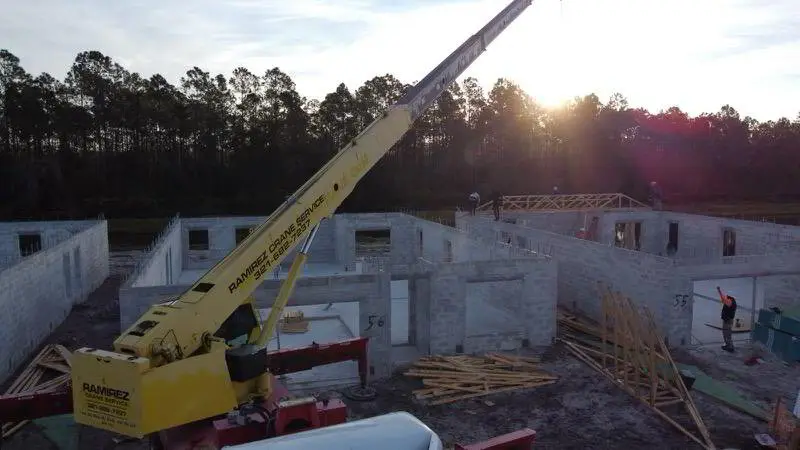
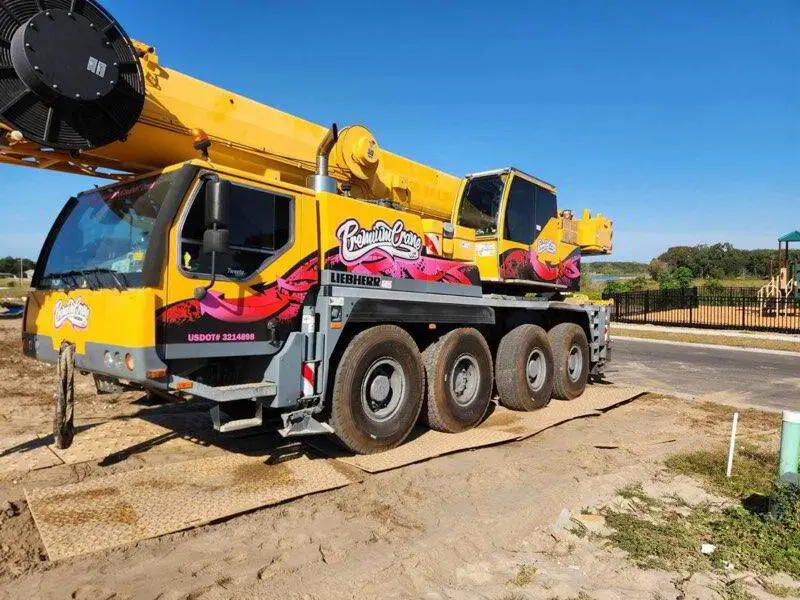
- Boom trucks and telescopic cranes: NCCCO TSS or TLL, depending on cab type.
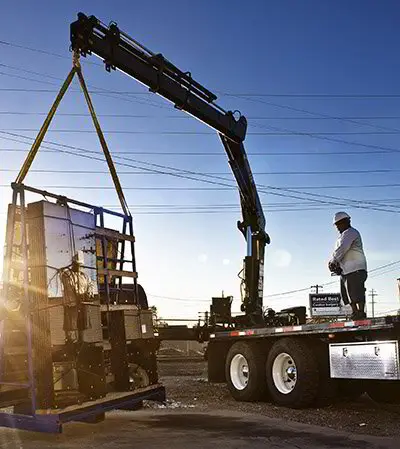
- Knuckle booms on delivery and service trucks: the articulating crane certification program.
- Telehandlers in yards and on farm sites: the NCCCO THO exam.
- Power line proximity: rural utility and ag work often happens near overhead lines, and OSHA 1926.1408 clearance rules are a central part of our classroom work.
Our post on common crane operation mistakes touches on several issues we see in the field.
Cold, Wind and the Calendar
Northeastern South Dakota sees long, very cold winters and persistent wind. Plan outdoor practical exams for late spring through early fall, and make sure operators know how wind speed and gusts affect their crane's capacity. Harvest season is also a busy time for grain-related work, so many employers schedule training before or after it.
If a deadline lands in midwinter, an operator can fly to Florida for open enrollment instead. Our Seffner campus is east of Tampa, and Tampa International is the nearest major airport. Bring hard-toe boots, a hard hat, gloves and photo ID, and expect warm conditions even in winter.
Licensing and Renewal
South Dakota relies on federal OSHA rules for crane operator certification; it is not among the states commonly cited for a separate license, and employers may require more. NCCCO certifications last five years, and the recertification prep class covers the written content for TSS, TLL and LAT. Learn more on our South Dakota page or review the class schedule.
Keep certification cards current so they are ready whenever a customer or general contractor asks to see them.