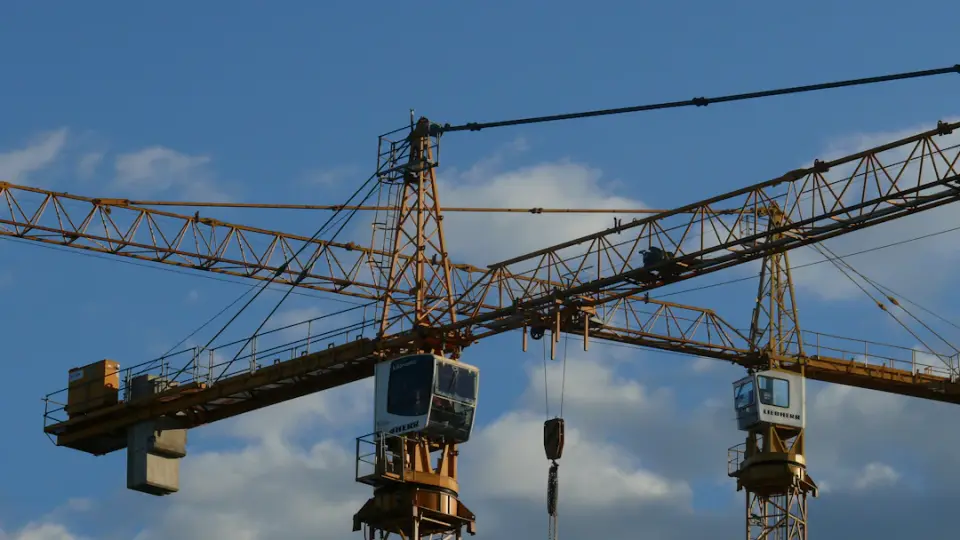
Mobile crane setting steel on a hospital addition in Sioux Falls, South Dakota
Sioux Falls, South Dakota

NCCCO Crane Certification Training for Sioux Falls, SD

Construction, processing plants and ag facilities around Sioux Falls all need certified lifting crews. Here is how to get them trained.

South Dakota's Largest City Keeps Building

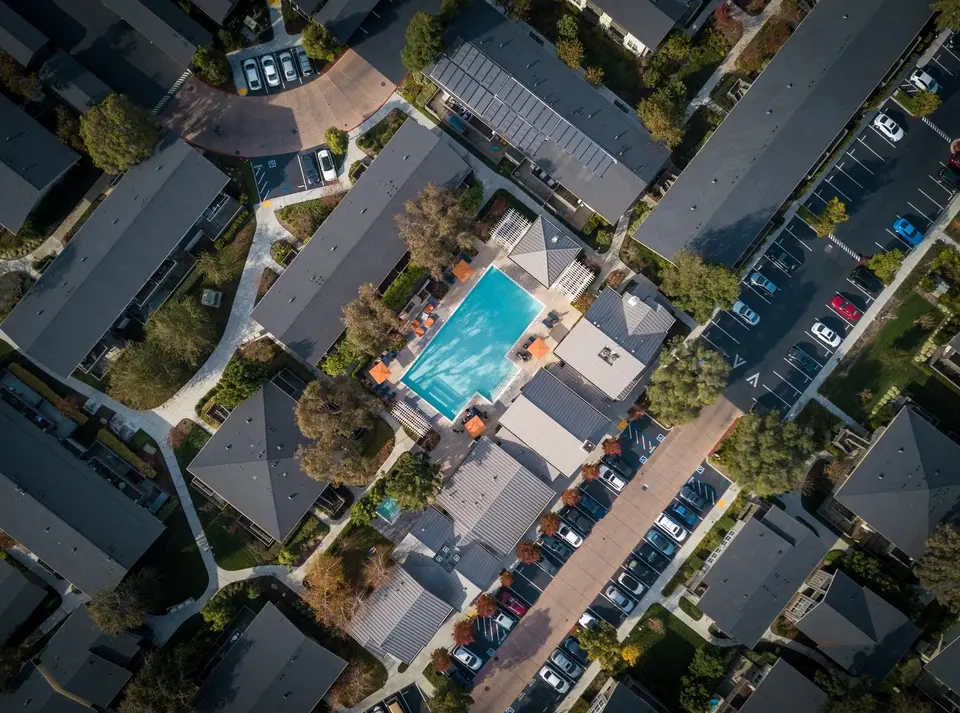
Sioux Falls is the state's largest city and a regional center for healthcare, finance, retail and food processing. That growth shows up as hospital additions, office and apartment buildings, warehouses along the interstates and steady road and bridge work around the Big Sioux River.

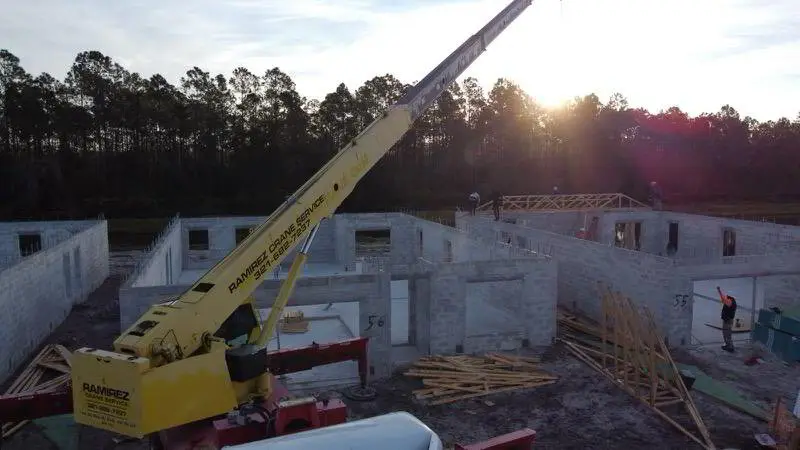
Beyond the city limits, eastern South Dakota is farm country, with grain handling sites and ethanol plants that need cranes for construction, maintenance and equipment changes. Crane certification in Sioux Falls, SD therefore covers everything from a tower of steel downtown to a boom truck setting a new auger at a rural elevator.

Programs That Fit Sioux Falls Employers

The right program depends on who you are training:

  • Operators with real seat time usually fit the mobile crane certification prep program, covering NCCCO TSS, TLL and LAT exams.
  • Material-handling crews on building sites and at ag facilities often need the telehandler operator certification, which prepares candidates for the NCCCO THO exam.
  • Service and delivery trucks with knuckle booms call for articulating crane certification.
  • Riggers and signal persons support all of the above, and both have NCCCO certification paths.

Mixed crews are common here, so many employers book a single on-site visit that covers two or three of these credentials.

Supervisors who plan lifts but do not operate can attend the Managing Crane Safety class, which covers compliance, planning, inspections and how to limit liability.

Training Through a Dakota Winter

Sioux Falls winters are long and cold, with blizzards and strong wind across open prairie. Hydraulic systems behave differently in deep cold, wire rope and outriggers need closer inspection, and wind can easily exceed a crane's operating limits. Those are realities your operators should understand before they ever sit an exam.

For on-site training, the classroom work can happen any time of year indoors. Practical exams are easiest to schedule from late spring through early fall. If someone needs a card in January, a trip to our Seffner, Florida campus is the practical alternative, and CCO written exams are offered there every month.

How On-Site Training Works in Sioux Falls

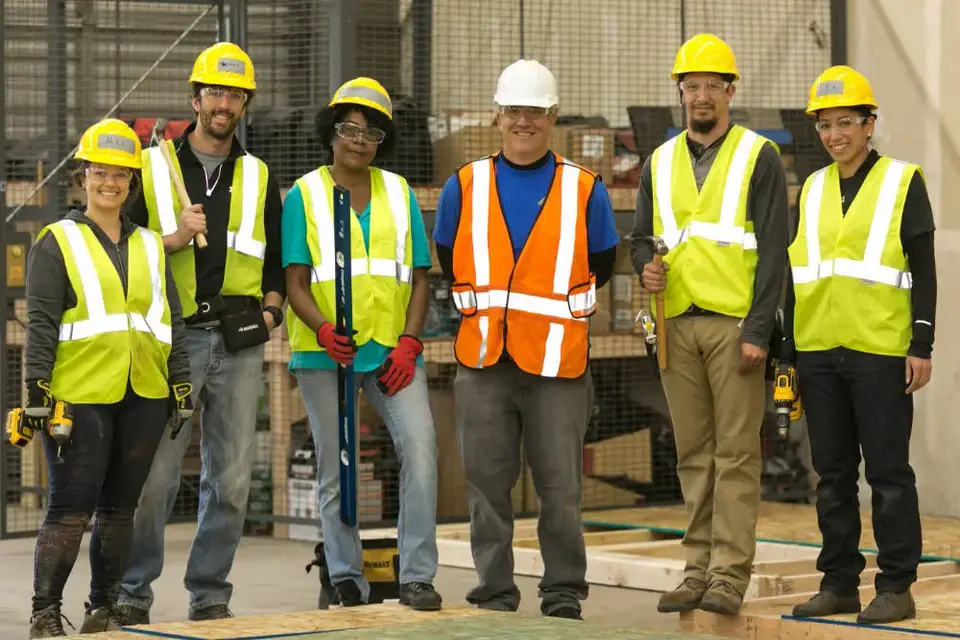
The Crane School has no office in South Dakota. When you request on-site training, an instructor travels to your facility, teaches the classroom portion and coaches hands-on practice on your equipment. Our NCCCO accredited practical examiners can then give CCO practical exams on your property.

To plan a visit, we need to know your number of candidates, their experience level, the cranes and telehandlers available, and whether you have a safe, open area for a test course. Start the conversation on our company training request page.

One advantage of training at home is that operators learn the quirks of the exact cranes they run every day, including load charts, controls and setup procedures. That familiarity carries straight back to the jobsite the next week.

What the Law Requires in South Dakota

South Dakota is not among the states commonly cited for a separate crane operator license. Federal OSHA crane rules, including operator certification under 1926.1427, govern construction lifting, and employers may set stricter standards of their own. For more statewide information, see our South Dakota crane training overview.
Frequently Asked Questions

Is winter a bad time for crane training in Sioux Falls?

Classroom training works year-round. Outdoor practical exams are easier from late spring to early fall, or candidates can travel to our Florida campus any month.

Do telehandler operators need NCCCO certification?

It depends on how the telehandler is used and on your employer's requirements. When rigged to suspend loads, OSHA crane rules can apply, and the NCCCO THO credential is a common way to show competence.

How many people make on-site training worthwhile?

There is no fixed number, but on-site visits generally make more sense for groups than for one person. Contact us with your headcount and we will compare options.

The Crane School

Training Programs & Services

All programs are delivered in compliance with current OSHA regulations.

Mobile Crane Operator Certification Prep Program

For experienced operators ready to certify or recertify. Includes NCCCO TSS, TLL and LAT written and practical exams.

Learn more about Mobile Crane Certification Prep

Initial Mobile Crane Operator Training Program

For people with little or no crane experience. 3-week (TSS/TLL) and 5-week (adds LAT) programs with NCCCO exams.

Learn more about Initial Mobile Crane Training (3 & 5 Week)

Articulating Crane Operator Certification Prep Program

For knuckle-boom operators. Prepares you for the NCCCO ABC, ABL and ABW written and practical exams.

Learn more about Articulating Crane Certification Prep

Rigger Qualification / Certification Program

For personnel who rig loads to cranes — supports your rigger qualification and NCCCO Rigger Level I/II exams.

Learn more about Rigger Level 1 & 2

Signalperson Qualification / Certification Program

Standard hand and voice signals for directing cranes, plus preparation for the NCCCO Signalperson exams.

Learn more about Signalperson

Managing Crane Safety Class

For managers and supervisors: OSHA compliance, lift planning, inspections, certification and liability.

Learn more about Managing Crane Safety

Telehandler Operator Program

Certification or recertification for telehandler operators. Includes the NCCCO THO written and practical exams.

Learn more about Telehandler Operator

Crane Inspection Services

Annual, monthly, post-assembly and post-incident inspections plus load testing by NCCCO-certified inspectors.

Learn more about Crane Inspections

Related Reading

Training Program

Telehandler Operator Certification Program

Telehandler certification prep for the NCCCO THO written and practical exams, fixed or rotating. Certify or recertify. Join the list for upcoming dates.

Crane Operator Practice Test

Ten quick questions on crane safety rules and NCCCO basics. Pick one answer per question — your score shows on the next page.

1. Which OSHA standard covers cranes and derricks used in construction?
2. How long is an NCCCO crane operator certification valid before recertification?
3. What does NCCCO stand for?
4. Under OSHA's current construction crane rule, operator certification must be obtained by:
5. Under OSHA Table A (1926.1408), what is the minimum clearance from power lines rated up to 50 kV?
6. When is a signal person required?
7. Whose emergency stop signal must a crane operator obey?
8. What does an anti-two-block device prevent?
9. Which document gives a crane's rated capacity for a given boom length and radius?
10. Which NCCCO designation covers telescopic boom cranes with a swing cab?