
Growth You Can See From Lady Bird Lake
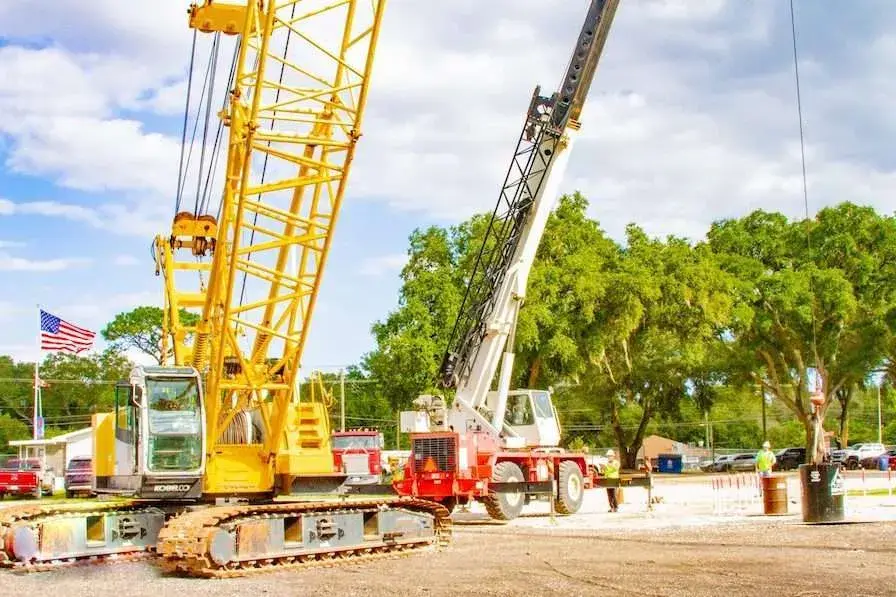
Austin has spent years among the fastest-growing large cities in the country, and its skyline shows it. Residential and office towers rise downtown, large employers build corporate campuses on the edges of the metro, and road projects try to keep pace. Most of that work involves cranes in tight spaces near traffic and pedestrians.
Crane certification in Austin, TX is therefore as much about the people on the ground as the operator in the seat. Blind lifts between towers depend on clear communication, and every pick near a busy street needs disciplined planning.
Signal Persons and Riggers on Crowded Sites
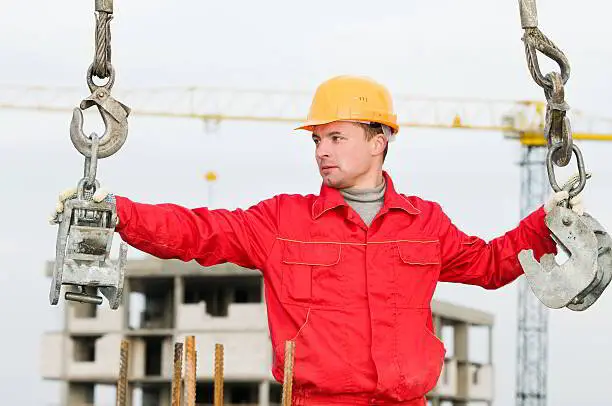
OSHA 1926.1428 requires a qualified signal person whenever the operator cannot see the load or the area of travel, or when site conditions demand one. On downtown Austin projects, that is most of the time. Many contractors now require NCCCO certification for signal persons and riggers as a site rule, and some owners ask to see cards before work begins.
- The signalperson qualification and certification program covers standard hand and voice signals for written and practical exams.
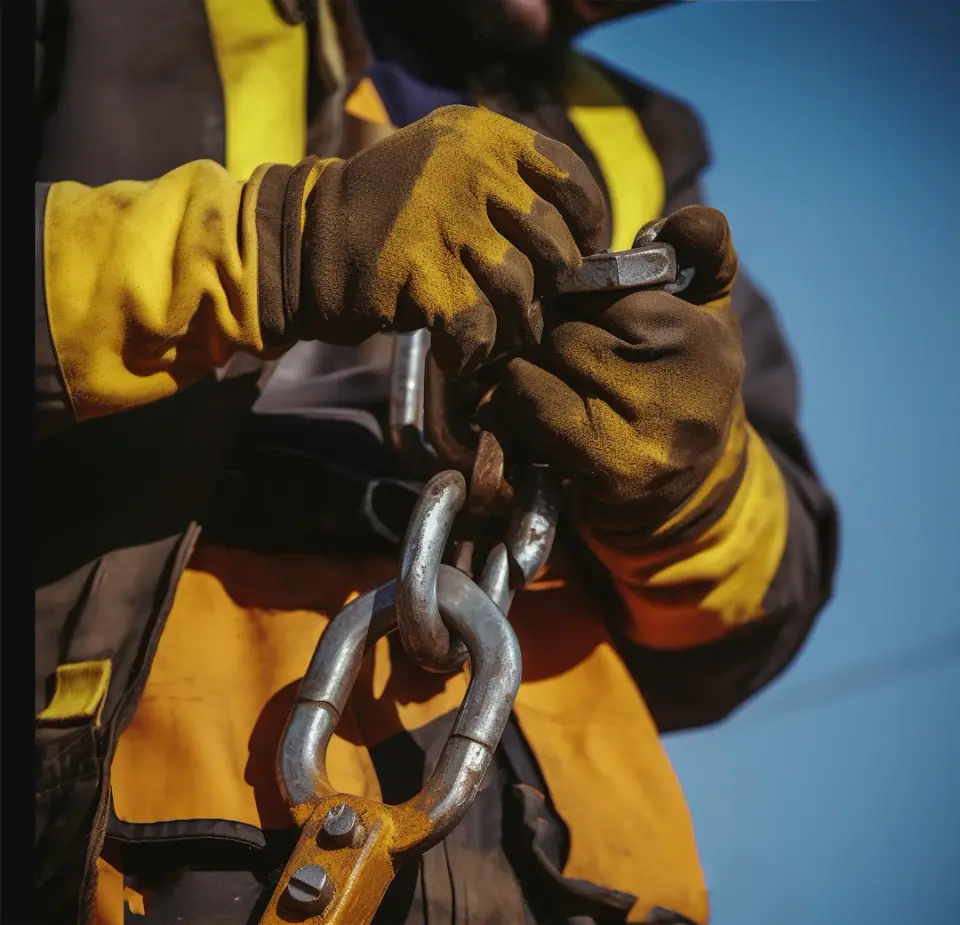
- Rigger Level I and II training prepares the crews attaching loads and inspecting gear.
Our article on rigging and signaling explains why that partnership matters.
Leadership Training for Project Teams
Project managers and superintendents in Austin often oversee multiple cranes at once. The Managing Crane Safety class covers OSHA and industry compliance, responsibilities, planning, inspections, certification and limiting liability. It is built for management personnel, not operators, and helps them recognize problems before they reach the jobsite.
On sites with several cranes, overlapping swing radii and shared airspace create risks that no single operator can manage alone. A project team that understands crane-to-crane coordination, communication protocols and lift sequencing makes everyone's job safer. Pairing the management class with operator recertification for your crane crews keeps both groups working from the same playbook.
When experienced operators are due for renewal, the recertification prep class reviews the written material for TSS, TLL and LAT. Practical exams can be added if your candidates need them.
Heat and Flash Floods in Central Texas
Austin summers are long and very hot, which affects crew stamina and makes early starts the norm for outdoor practical exams. Central Texas is also known for sudden, intense rainfall and flash flooding, which can soften ground and flood low-lying laydown areas with little warning. West of the city, the Hill Country's limestone and slopes bring different setup challenges than the clay soils to the east. Operators who move between those areas need to reassess ground conditions on every setup instead of relying on habit.
Training Options and Texas Rules
The Crane School has no Austin office. We can bring instructors and accredited examiners to your facility, or your people can attend open classes at our Seffner, Florida campus. Texas is not commonly cited for a separate crane license, so federal OSHA rules govern and employers may add their own. For more, see our Texas overview.
If your company has only one or two people to certify, open enrollment is usually simpler; larger groups tend to get more value from an on-site visit.