Lifting Work Across South-Central Texas
San Antonio combines a large military presence, a growing healthcare and research sector, and steady residential and commercial construction. To the south, the Eagle Ford Shale region has made oil and gas services a major employer, and many of those companies use truck-mounted cranes to move equipment between sites.
That is why crane operator certification in San Antonio spans so many machine types — the best course for you depends on the equipment you actually operate. Some operators move between oilfield work and construction depending on demand, which makes holding the right combination of designations especially useful.
For more than 21 years we have been preparing operators at our Seffner, Florida campus, with instructors who carry NCCCO certifications themselves. South Texas companies can bring us to their facility, or send people to Seffner for an open class.
Matching the Program to the Machine
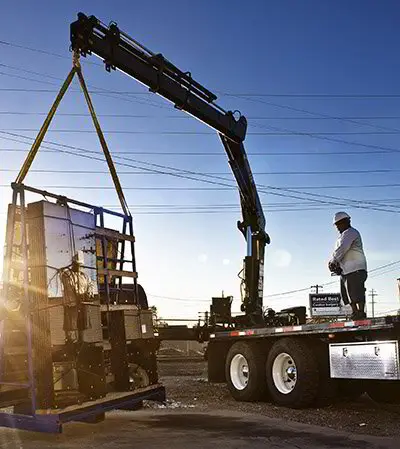
Knuckle booms on service trucks
Oilfield and utility service trucks often carry articulating cranes. If that describes your seat time, our knuckle-boom certification prep course gets you ready for NCCCO's ABC, ABL and ABW exams.
Telescopic and lattice cranes
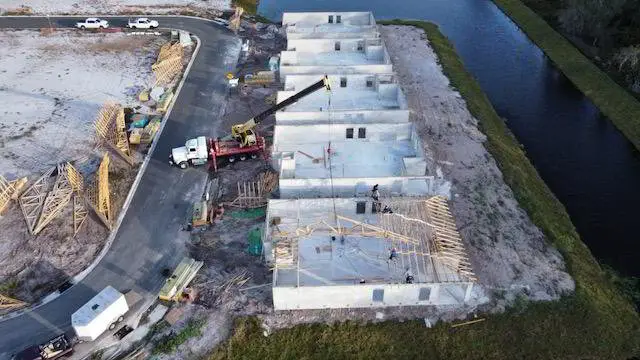
Construction and industrial operators usually need TSS, TLL or LAT. Seasoned hands fit the monthly mobile crane prep session, while beginners belong in the initial course.
Telehandlers
Homebuilders and commercial sites run many telehandlers. The THO certification is a practical credential for those operators.
Each articulating designation is broken down in our post on certifying as a knuckle boom operator.
A Second Career After Service
San Antonio is home to a large population of service members and veterans. Many have experience with heavy equipment, strict procedures and teamwork, all of which carry over well to crane operation. No crane hours yet? Our beginner mobile crane course in Seffner runs either three or five weeks. For pay, skip the guesswork and go to the BLS Occupational Employment and Wage Statistics on crane and tower operators.
South Texas Heat and Dust
Summers in San Antonio are long and hot, with high temperatures common well into fall. Dust and wind on oilfield and rural sites affect visibility and can reduce safe operating windows. Occasional heavy rain can cause flash flooding and soft ground. Plan outdoor practical exams for early morning, and make sure operators understand heat illness warning signs.
Running between town and far-off lease sites means hours on the road, rough lease roads and pads nobody designed with a crane in mind. Checking ground bearing capacity and overhead hazards, including power lines, before every setup is a habit worth building early. We spend real class time on the power line clearance rules in OSHA 1926.1408.
Texas Rules and How to Train
Texas does not typically appear among states with their own crane license; federal OSHA covers construction lifts, and any employer can ask for more. We have no San Antonio office. A company can host us and our accredited examiners on site; individuals usually make the trip to Seffner. Our statewide Texas overview has more, and you can reach the office to start planning.