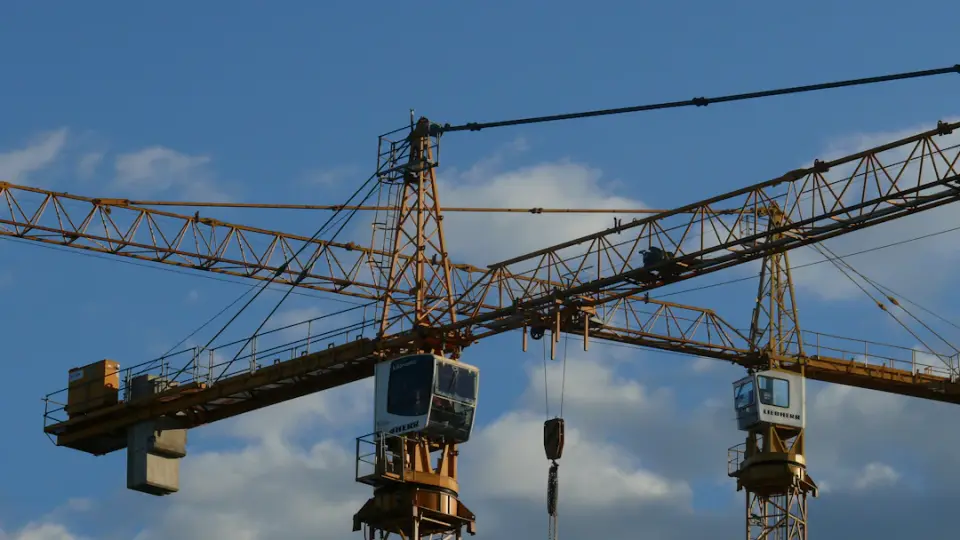
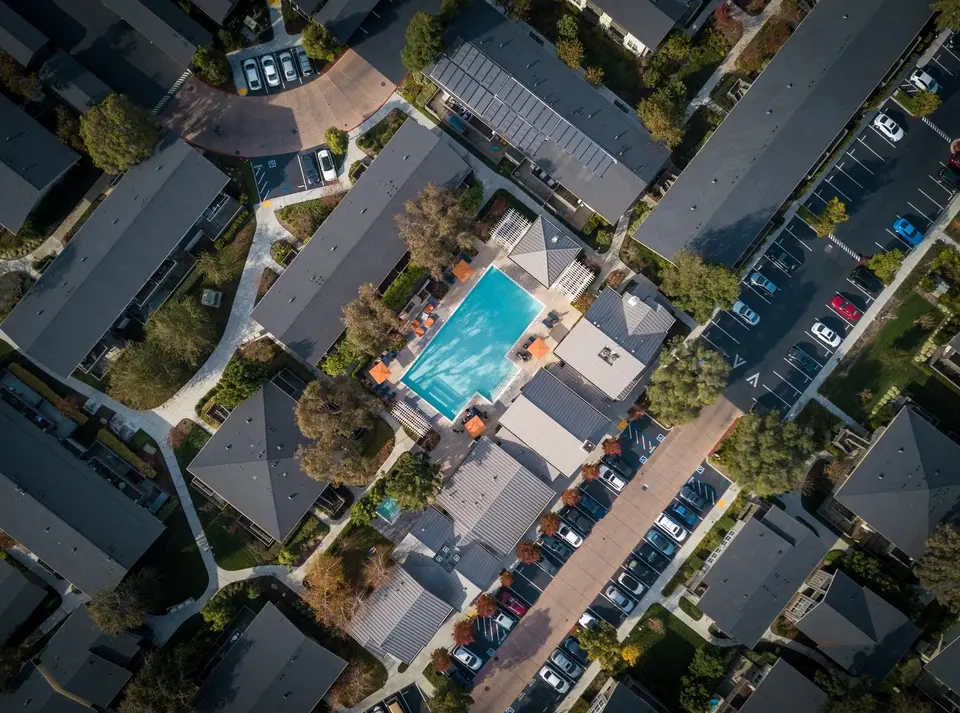
Telehandler lifting roof trusses on a multifamily construction site in Provo, Utah
Utah County

Crane Certification for Provo and Utah County

Rapid residential and tech-campus growth keeps Utah County's lifting crews busy. Here is how Provo operators and employers can get certified.

Utah County Is Building Fast

Provo is home to Brigham Young University, and Utah County has been one of the faster-growing parts of the state for years. Large tech employers have built offices along the corridor between Provo and Salt Lake City, and new apartments, subdivisions and retail centers continue to fill in the valley around Utah Lake.

Much of that construction relies on telehandlers and mid-sized mobile cranes rather than giant crawlers. Crane certification in Provo, UT often starts with figuring out which machines your crew actually runs. A framing contractor may need telehandler and signalperson credentials, while a steel erector or mechanical contractor needs mobile crane designations and certified riggers.

The Crane School has prepared candidates for crane certifications for more than 21 years from its campus in Seffner, Florida. Our instructors hold NCCCO certifications, and our staff includes accredited practical examiners who can test at your site.

Telehandlers on Residential and Multifamily Sites

On apartment and subdivision jobs, telehandlers set trusses, lift wall panels and move material all day. When a telehandler is used with a winch or hook to suspend loads, OSHA crane rules can apply, and many builders want operators who hold the NCCCO THO credential regardless.

The telehandler operator program prepares operators for the THO written and practical exams, for first certification or recertification. Our Utah telehandler training page has more detail for operators in the state.

Ground Crews and Communication

Busy multifamily sites put several trades under the same hook. Clear signals and well-rigged loads are what keep those jobs safe. OSHA 1926.1428 requires qualified signal persons in many situations, and many contractors choose NCCCO signalperson certification to verify that qualification. Our signalperson certification prep covers standard hand and voice signals for written and practical exams.

Riggers deserve the same attention. Choosing slings, calculating sling angles and inspecting hardware are skills that prevent dropped loads, and Rigger Level I and II training covers them in depth. Many Utah County contractors schedule signalperson and rigger training together so the ground crew learns as a unit.

Seasons in the Valley

Provo has cold, snowy winters and hot, dry summers. Wind can pick up across the valley and near Utah Lake, and spring thaw can leave ground soft. Plan outdoor practical exams for late spring through fall where possible, and keep a weather day in reserve. Students who prefer warmer conditions in winter can train at our Florida campus.

Spring can also bring a quick return of snow after a run of warm days, so confirm the forecast the night before an outdoor exam and have candidates bring layers, gloves and eye protection.

Utah Requirements and Training Options

Utah has state-level crane operator requirements in addition to OSHA. Confirm current rules with the state agency and NCCCO's state licensing information before you work there. See our Utah overview for more.

The Crane School has no Provo office. Employers can host on-site training and practical exams, and individuals, including students looking for a hands-on career, can enroll in open classes at our Seffner campus. The initial program runs three or five weeks for people with little or no experience.

Frequently Asked Questions

Is a telehandler considered a crane?

A telehandler used only with forks generally is not, but one configured to suspend loads with a hook or winch can fall under OSHA crane rules. Check how your machines are used.

Can BYU students take crane training?

Anyone can contact us about our programs. The initial programs are full-time for three or five weeks at our Florida campus, so timing around school is important.

Can signal persons and telehandler operators train during the same on-site visit?

Often, yes. Tell us how many people need each credential and we will propose a schedule.

The Crane School

Training Programs & Services

All programs are delivered in compliance with current OSHA regulations.

Mobile Crane Operator Certification Prep Program

For experienced operators ready to certify or recertify. Includes NCCCO TSS, TLL and LAT written and practical exams.

Learn more about Mobile Crane Certification Prep

Initial Mobile Crane Operator Training Program

For people with little or no crane experience. 3-week (TSS/TLL) and 5-week (adds LAT) programs with NCCCO exams.

Learn more about Initial Mobile Crane Training (3 & 5 Week)

Articulating Crane Operator Certification Prep Program

For knuckle-boom operators. Prepares you for the NCCCO ABC, ABL and ABW written and practical exams.

Learn more about Articulating Crane Certification Prep

Rigger Qualification / Certification Program

For personnel who rig loads to cranes — supports your rigger qualification and NCCCO Rigger Level I/II exams.

Learn more about Rigger Level 1 & 2

Signalperson Qualification / Certification Program

Standard hand and voice signals for directing cranes, plus preparation for the NCCCO Signalperson exams.

Learn more about Signalperson

Managing Crane Safety Class

For managers and supervisors: OSHA compliance, lift planning, inspections, certification and liability.

Learn more about Managing Crane Safety

Telehandler Operator Program

Certification or recertification for telehandler operators. Includes the NCCCO THO written and practical exams.

Learn more about Telehandler Operator

Crane Inspection Services

Annual, monthly, post-assembly and post-incident inspections plus load testing by NCCCO-certified inspectors.

Learn more about Crane Inspections

Related Reading

Training Program

Telehandler Operator Certification Program

Telehandler certification prep for the NCCCO THO written and practical exams, fixed or rotating. Certify or recertify. Join the list for upcoming dates.

Crane Operator Practice Test

Ten quick questions on crane safety rules and NCCCO basics. Pick one answer per question — your score shows on the next page.

1. Which OSHA standard covers cranes and derricks used in construction?
2. How long is an NCCCO crane operator certification valid before recertification?
3. What does NCCCO stand for?
4. Under OSHA's current construction crane rule, operator certification must be obtained by:
5. Under OSHA Table A (1926.1408), what is the minimum clearance from power lines rated up to 50 kV?
6. When is a signal person required?
7. Whose emergency stop signal must a crane operator obey?
8. What does an anti-two-block device prevent?
9. Which document gives a crane's rated capacity for a given boom length and radius?
10. Which NCCCO designation covers telescopic boom cranes with a swing cab?