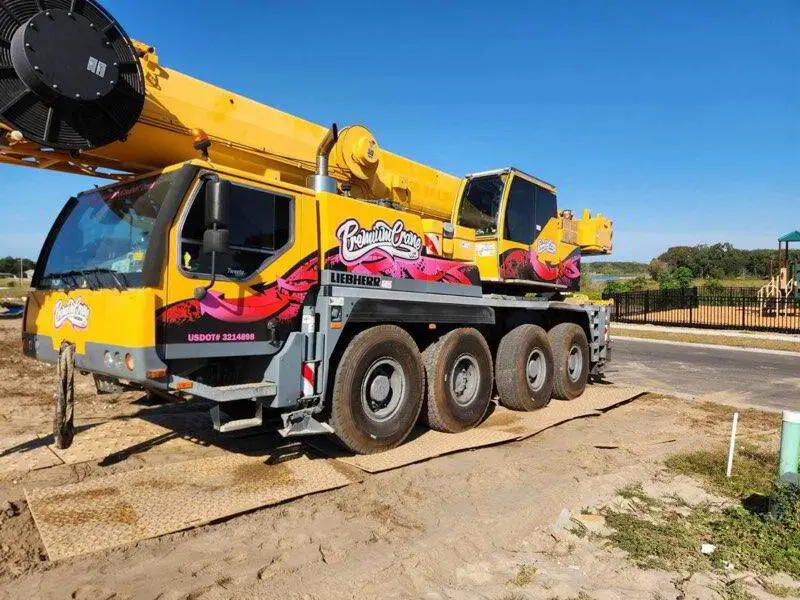
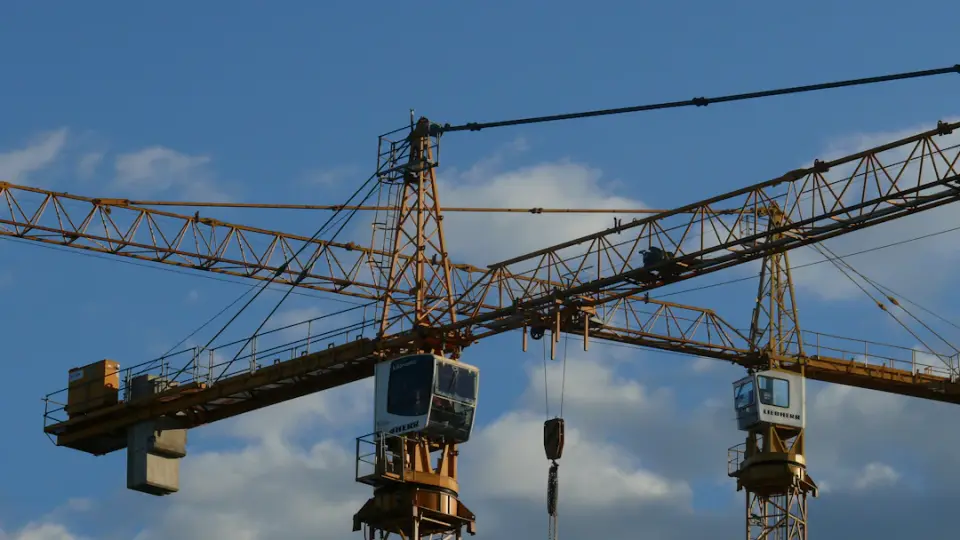
Mobile crane working on a resort construction site among red rock hills near St. George, Utah
Southern Utah

St. George Crane Operator Certification for Southern Utah

Desert heat, fast growth and long distances define crane work around St. George. Here is how crews can prepare for NCCCO exams.

Fast Growth in the Desert Southwest

St. George sits in Utah's southwest corner, close to the Arizona and Nevada borders and not far from Zion National Park. The area has grown quickly, with new homes, retail, healthcare facilities, resorts and infrastructure to support them. That growth keeps mobile cranes, boom trucks and telehandlers busy throughout the year.

Crane operator certification in St. George, UT has one major difference from the rest of the state: heat. Summer conditions here are among the hottest in Utah, and that shapes how training and testing are planned.

Working Through Desert Heat

High summer temperatures affect people and equipment. Operators can suffer heat stress in cabs and on the ground, hydraulic oil runs hot, and tires and components need closer attention. Late-summer monsoon storms can bring sudden wind, lightning and flash flooding, and sandy or loose desert soils call for careful ground assessment under outriggers.

For on-site training, start practical exams early in the morning, schedule rest and water breaks, and keep a backup date. Our post on common crane operation mistakes includes several issues that become more likely in tough conditions.

Programs That Suit Southern Utah Crews

  • Experienced mobile crane operators: the mobile crane certification prep program, which runs once a month from Friday to Monday with TSS, TLL and LAT exams.
  • Boom truck and knuckle boom operators: articulating crane certification prep.
  • Telehandler operators on residential sites: NCCCO THO certification.
  • New operators: the three- or five-week initial program at our Florida campus.

Because St. George is a long drive from most training providers, many employers prefer to bring an instructor to their own yard. Training at home also means candidates practice in the same heat, dust and ground conditions they face on real jobs, rather than adjusting to a new environment during the exam.

For operators who already hold a card, keep an eye on the expiration date. NCCCO certifications last five years, and we suggest starting recertification during the final year. The recertification prep class covers TSS, TLL and LAT written content and can be paired with practical exams when needed.

Utah's Extra Requirements

Utah has state-level crane operator requirements in addition to OSHA. Confirm current rules with the state agency and NCCCO's state licensing information before you work there. Federal OSHA certification under 1926.1427 still applies to construction cranes. Our Utah crane school page covers more statewide details.

Because St. George sits close to two state lines, crews that take work in Arizona or Nevada should check each state's rules separately. Nevada is also commonly cited for its own crane operator requirements, so verify current rules before crossing the border.

Planning Your Training

The Crane School has no St. George office. On-site, our instructors teach at your facility and our accredited examiners can give NCCCO practical exams there. If you travel to us, fly into Tampa International and ask about our negotiated rate at a nearby Holiday Inn Express. Bring hard-toe boots, a hard hat, gloves, work clothes and photo ID. The trip is long from southern Utah, so many students plan an extra day on each end for travel. Check the class schedule for open dates.
Frequently Asked Questions

What time of year is best for on-site training in St. George?

Fall through spring usually offers the most comfortable conditions for outdoor practical exams. Summer sessions should start early and include frequent breaks.

Can a St. George company train just two or three operators on-site?

Yes, though for very small groups open enrollment in Seffner may be more economical. Contact us and we will compare options.

Does Utah require more than NCCCO certification?

Utah has state-level crane operator requirements in addition to OSHA. Confirm current rules with the state agency before you work there.

The Crane School

Training Programs & Services

All programs are delivered in compliance with current OSHA regulations.

Mobile Crane Operator Certification Prep Program

For experienced operators ready to certify or recertify. Includes NCCCO TSS, TLL and LAT written and practical exams.

Learn more about Mobile Crane Certification Prep

Initial Mobile Crane Operator Training Program

For people with little or no crane experience. 3-week (TSS/TLL) and 5-week (adds LAT) programs with NCCCO exams.

Learn more about Initial Mobile Crane Training (3 & 5 Week)

Articulating Crane Operator Certification Prep Program

For knuckle-boom operators. Prepares you for the NCCCO ABC, ABL and ABW written and practical exams.

Learn more about Articulating Crane Certification Prep

Rigger Qualification / Certification Program

For personnel who rig loads to cranes — supports your rigger qualification and NCCCO Rigger Level I/II exams.

Learn more about Rigger Level 1 & 2

Signalperson Qualification / Certification Program

Standard hand and voice signals for directing cranes, plus preparation for the NCCCO Signalperson exams.

Learn more about Signalperson

Managing Crane Safety Class

For managers and supervisors: OSHA compliance, lift planning, inspections, certification and liability.

Learn more about Managing Crane Safety

Telehandler Operator Program

Certification or recertification for telehandler operators. Includes the NCCCO THO written and practical exams.

Learn more about Telehandler Operator

Crane Inspection Services

Annual, monthly, post-assembly and post-incident inspections plus load testing by NCCCO-certified inspectors.

Learn more about Crane Inspections

Related Reading

Crane Operator Practice Test

Ten quick questions on crane safety rules and NCCCO basics. Pick one answer per question — your score shows on the next page.

1. Which OSHA standard covers cranes and derricks used in construction?
2. How long is an NCCCO crane operator certification valid before recertification?
3. What does NCCCO stand for?
4. Under OSHA's current construction crane rule, operator certification must be obtained by:
5. Under OSHA Table A (1926.1408), what is the minimum clearance from power lines rated up to 50 kV?
6. When is a signal person required?
7. Whose emergency stop signal must a crane operator obey?
8. What does an anti-two-block device prevent?
9. Which document gives a crane's rated capacity for a given boom length and radius?
10. Which NCCCO designation covers telescopic boom cranes with a swing cab?